Northeast India Tourism Guide 2026

Northeast India Tourism Guide for Indian travellers who want to explore India's most extraordinary, least-crowded and culturally distinct zone. This guide covers the best places to visit in Northeast India, state-wise destinations, trip cost, best time to visit, permits you need, honeymoon tours, family holidays, wildlife safaris, tribal culture experiences and tour planning with Wishtogo.in.

Northeast India feels genuinely different from the rest of the country — rivers so clear the boats float in air, bridges grown from living tree roots over 500 years, one-horned rhinoceroses in tall grass, Buddhist monasteries at 10,000 feet, and tribal festivals that have run for centuries unchanged. This guide helps you choose which state to visit, when to go, what it costs and how to plan your trip without stress.

Read More
On this Page

Home - Destination Guide - India - Northeast India Tourism Guide

Why Visit Northeast India?

Northeast India gives you experiences you genuinely cannot replicate anywhere else in the country — without needing a passport. Trekking to a 500-year-old living bridge of tree roots, watching a one-horned rhino at close range from an open jeep, arriving at a 10,000-foot Buddhist monastery surrounded by clouds, or sitting in a village in Nagaland where each tribe has kept its warrior traditions alive for centuries — none of this exists anywhere outside this zone.

For Indian travellers, the Northeast is one of the most rewarding domestic trips you can take — significantly less crowded than Rajasthan or Kerala, more affordable than most comparable Himalayan destinations, and different enough in culture, food and landscape that it genuinely feels like travelling abroad without leaving the country.

This Northeast India Tourism Guide is designed as a starting point. Once you know which state interests you, when you want to go and your budget, you can open detailed state guides like Meghalaya tourism, Sikkim tourism or Assam tourism for more depth.

Key reasons Indian travellers love Northeast India

For most travellers, the Northeast is chosen when they’ve “done” the usual domestic circuits and want something genuinely new. Here’s what makes it different:

  • No permit for most states:
    Indian nationals need no permit for Assam, Meghalaya, Sikkim and Tripura — just fly in and go. Arunachal Pradesh, Nagaland and Mizoram need an Inner Line Permit (ILP), which is a simple online application taking 1–3 days.
  • Genuinely different India:
    Different food, different architecture, different languages, different landscape rhythms. Arriving in Meghalaya or Nagaland feels like discovering a part of the country that most Indians don’t know yet.
  • Wildlife found nowhere else on earth:
    Two-thirds of the world’s one-horned rhinoceroses live in Kaziranga. The Sangai (Manipur’s brow-antlered deer) exists only on Loktak Lake’s floating islands. Red pandas roam Sikkim’s Singalila Ridge.
  • Less crowded than comparable destinations:
    Even at peak season, most Northeast destinations are far less crowded than Manali, Coorg, Rajasthan or Goa equivalents. You rarely queue for a viewpoint or a safari slot — except Kaziranga in peak season.
  • Food comfort alongside extraordinary local cuisine:
    Guwahati, Shillong and Gangtok all have good Indian food alongside the local cuisine. Northeast food itself — Assamese, Khasi, Naga, Sikkimese — is one of the genuine pleasures of the trip for anyone who eats non-vegetarian.

Ideal trip duration & budget ranges — Northeast India

Most Indian travellers plan the Northeast as a standalone week-long holiday rather than combining it with other zones. Here’s a quick planning reference:

  • 5–6 day trip:
    Meghalaya road trip (Shillong–Cherrapunji–Dawki) or Sikkim circuit (Gangtok–Pelling loop).
    Typical budget: ₹25,000–₹45,000 per person including stay and local transport (land cost, flights extra).
  • 6–7 day trip:
    Assam and Meghalaya combo (Kaziranga safari + Shillong + Cherrapunji), or extended Sikkim with North Sikkim.
    Typical budget: ₹28,000–₹55,000 per person depending on hotel category and safari inclusions.
  • 8–10 day grand Northeast trip:
    Arunachal Pradesh (Tawang circuit), Nagaland (Hornbill Festival), or multi-state Northeast circuit.
    Typical budget: ₹40,000–₹80,000 per person.


In short: Northeast India tourism is perfect if you want India’s most extraordinary natural landscapes, living tribal cultures and wildlife found nowhere else on earth — without crowds, with manageable costs, and without a passport stamp.
 
⚠️ Permit note for Indian nationals: No permit required for Assam, Meghalaya, Sikkim (most areas) and Tripura. An Inner Line Permit (ILP) is mandatory for Arunachal Pradesh, Nagaland and Mizoram — apply online at the state government portal or at state offices in Delhi, Kolkata or Guwahati (1–3 days). North Sikkim (Gurudongmar Lake, Yumthang Valley) requires a Restricted Area Permit arranged through a registered local agent in Gangtok. Always carry your Aadhaar card and physical permit copies throughout your trip.
Need a Custom Northeast India Tourism Guide Itinerary?

Speak to Our Expert Tour Consultant on WhatsApp.

Top Places to Visit in Northeast India

Northeast India is easier to plan once you stop thinking of it as one large zone and start seeing it as distinct travel clusters — each state with its own personality, landscape and best season. Guwahati in Assam is the hub from which most Northeast journeys radiate outward.

Northeast India Tourism Zone — States and UTs

  • Assam
  • Meghalaya
  • Arunachal Pradesh
  • Nagaland
  • Manipur
  • Mizoram
  • Tripura
  • Sikkim

Main Gateway Cities for Northeast India

  • Guwahati (Assam) — Northeast's primary hub; gateway for Kaziranga, Meghalaya, Arunachal Pradesh and onward to all Northeast states
  • Bagdogra (West Bengal) — nearest airport for Sikkim; flights from Delhi, Mumbai and Kolkata; cab to Gangtok (3.5 hrs)
  • Dimapur (Nagaland) — flights from Kolkata and Delhi; 3 hrs by road to Kohima and Hornbill Festival venue
  • Imphal (Manipur) — flights from Kolkata and Delhi; gateway for Loktak Lake and Manipur heritage
  • Agartala (Tripura) — flights from Kolkata; gateway for Neermahal and Tripura destinations
  • Aizawl (Mizoram) — flights from Kolkata and Guwahati; gateway for Mizoram's hill scenery
  • Tezpur (Assam) — smaller airport closer to Arunachal border; starting point for Tawang road trip (8–10 hrs)
  • New Jalpaiguri / NJP (West Bengal) — major railway junction connecting Delhi and Kolkata trains to Sikkim

Key Northeast India Travel Clusters

  • Assam Wildlife & Tea Circuit — Kaziranga National Park (rhinos, tigers, elephants), Manas National Park, Brahmaputra river cruise, Majuli river island, Assam tea estate stays
  • Meghalaya Highlands — Shillong (Scotland of the East), Cherrapunji (world's rainiest place, waterfalls, living root bridges), Dawki (crystal Umngot River), Mawlynnong (Asia's cleanest village)
  • Sikkim Mountain Circuit — Gangtok (monasteries, Tsomgo Lake, Nathu La Pass), Pelling (Kanchenjunga views, Pemayangtse Monastery), North Sikkim (Gurudongmar Lake, Yumthang Valley, Zero Point)
  • Arunachal Pradesh Frontier — Tawang (monastery, Sela Pass, war memorial), Ziro Valley (Apatani tribal villages, Ziro Music Festival), Bomdila, Dirang
  • Nagaland Tribal Circuit — Kohima (WWII cemetery, Naga Heritage Village), Kisama (Hornbill Festival), Dzükou Valley trek, Mon District (Konyak tribe villages)
  • Manipur & Mizoram Offbeat — Imphal (Loktak Lake, Keibul Lamjao, Ima Keithel women's market), Aizawl, Champhai, Phawngpui Blue Mountain
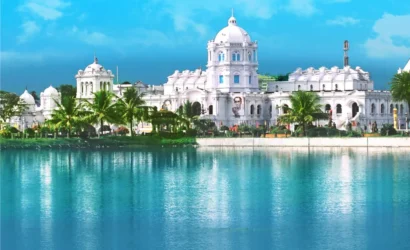
  • Tripura Heritage — Agartala (Ujjayanta Palace, Tripura Sundari Temple), Neermahal water palace, Unakoti rock sculptures

In short: For a first Northeast trip, pick one or two clusters — Meghalaya + Kaziranga, or Sikkim alone, or Nagaland for the Hornbill Festival — rather than attempting multiple states in one go. Northeast distances are longer than they appear on a map.

Typical Trip Ideas & Budgets (ex-Guwahati / Bagdogra)

Circuit

Duration

Budget per Person*

Notes

Meghalaya (Shillong–Cherrapunji–Dawki)

4–5 days

₹15,000–₹25,000

No ILP needed. Best first Northeast trip. Oct–May ideal.

Assam + Meghalaya (Kaziranga + Cherrapunji)

6–7 days

₹22,000–₹45,000

Includes jeep safaris. Fly in and out Guwahati. Nov–Mar best.

Sikkim (Gangtok + North Sikkim + Pelling)

6–7 days

₹22,000–₹45,000

Restricted Area Permit for North Sikkim via local agent. Apr or Oct–Nov best.

Arunachal Pradesh (Tawang circuit)

7–9 days

₹30,000–₹60,000

ILP required. Longer road distances. Mar–Jun or Sep–Nov best.

Nagaland – Hornbill Festival (Kohima)

5–8 days

₹25,000–₹50,000

ILP required. December 1–10 only. Book accommodation 3–4 months ahead.

Manipur (Imphal + Loktak Lake)

4–5 days

₹15,000–₹28,000

No ILP needed. Less developed tourist infrastructure — plan with a local agent.

*Land cost only; flights to gateway city additional.

Best months for Northeast Zone: October to April is the ideal overall window. Oct–Nov for best simultaneous access across multiple states. Mar–Apr for Sikkim rhododendrons. December for Hornbill Festival. Jul–Aug for Dzükou Valley lily bloom (Nagaland) — but avoid for most other Northeast travel.

Read More
Northeast India Tourism Guide

Assam

Kaziranga National Park safaris, Brahmaputra river cruises, Guwahati
Northeast India Tourism Guide

Meghalaya

Shillong, Cherrapunji, Living Root Bridges, Dawki’s clear waters
Arunachal Pradesh

Arunachal Pradesh

Tawang Monastery, Ziro Valley (for more adventurous travellers)
Northeast India Tourism Guide

Sikkim

Gangtok, Pelling, North Sikkim (Gurudongmar, Yumthang, Nathu La Pass)
Northeast India Tourism Guide

Nagaland

Nagaland – Kohima, Hornbill Festival
Manipur

Manipur

offbeat, culture-focused trips for experienced travellers
Mizoram

Mizoram

offbeat, culture-focused trips for experienced travellers
tripura

Tripura

offbeat, culture-focused trips for experienced travellers

Top Things to Do in Northeast India – Activities

Northeast India becomes unforgettable when you go beyond standard sightseeing and commit to experiences that are unique to this zone and unavailable anywhere else in India. Pick 2–4 activities that match your cluster, travel month and physical comfort level.

1. Trek to the Double Decker Living Root Bridge, Cherrapunji

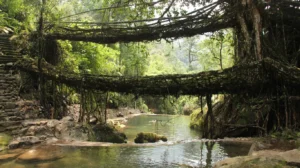
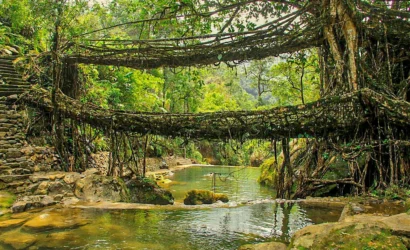
The Double Decker Living Root Bridge at Nongriat is Northeast India's single most iconic experience — a two-tiered bridge grown entirely from the aerial roots of rubber fig trees over 500 years, trained by the Khasi people across a jungle river. One of the most extraordinary natural structures in India.

  • The trek is 3,500+ steps down and back up — 5–6 hours total. Physically demanding but not technical. Good grip shoes and water essential.
  • Start by 7 AM latest to have the bridge to yourself for photographs before the crowd arrives. Mid-day heat makes the return climb very hard.
  • Combine with Rainbow Falls (30 min beyond the bridge) and an overnight stay in one of the eco-huts at Nongriat village — waking to the sound of the jungle river is extraordinary.

2. Boat Ride on the Umngot River at Dawki

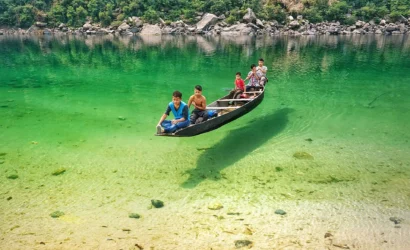
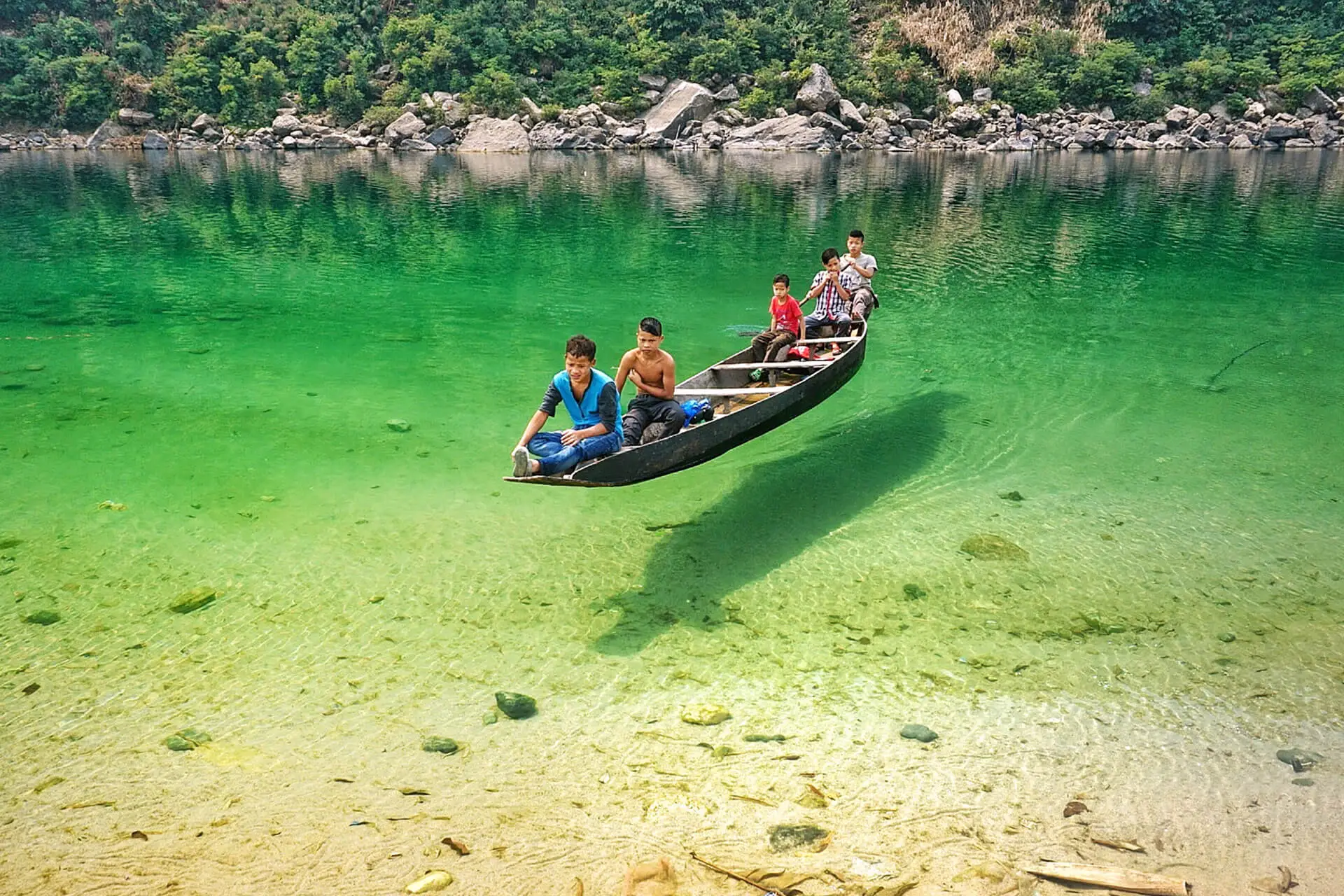
Dawki's Umngot River is one of the most beautiful river experiences in India — the water is so transparently clear that boats appear to float suspended in mid-air above the sandy riverbed. It sits on the India–Bangladesh border at the base of the Meghalaya plateau.

  • Go between November and March for the clearest water — monsoon muddies the river significantly from June to September.
  • Hire a wooden rowboat rather than a motorboat — quieter, and you can stop mid-river and look straight down at the riverbed 15–20 feet below.
  • Combine with Mawlynnong village (60 km from Dawki) — declared Asia's cleanest village, with a sky walk and views into Bangladesh. A full Dawki + Mawlynnong day is one of Meghalaya's best.

3. Jeep Safari at Kaziranga National Park

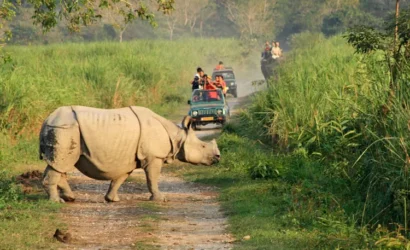
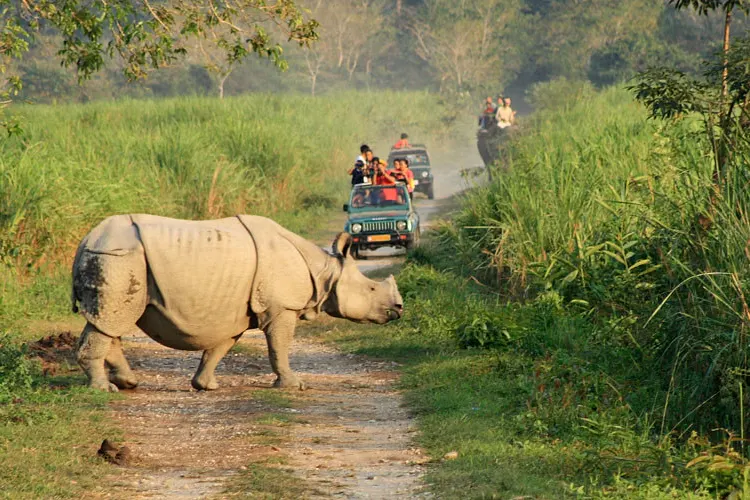
Kaziranga is one of India's greatest wildlife reserves — a UNESCO World Heritage Site holding two-thirds of the world's one-horned rhinoceros population, along with the world's highest density of tigers, wild Asian elephants, water buffalo and over 480 bird species.

  • Book jeep safari permits online in advance at the Kaziranga forest department portal — permits are limited per zone per day and sell out fast in peak season (Nov–Mar).
  • The Central Range (Kohora) offers the best all-round rhino and elephant sightings; the Western Range (Bagori) is excellent for birds and fewer crowds.
  • Go for both a morning (6 AM) and afternoon (2 PM) safari on separate days — morning light is better for wildlife photography and animal activity is higher in early hours.

4. Sunrise over Kanchenjunga from Pelling, Sikkim

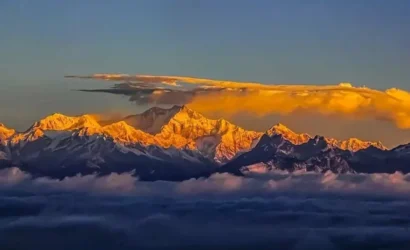
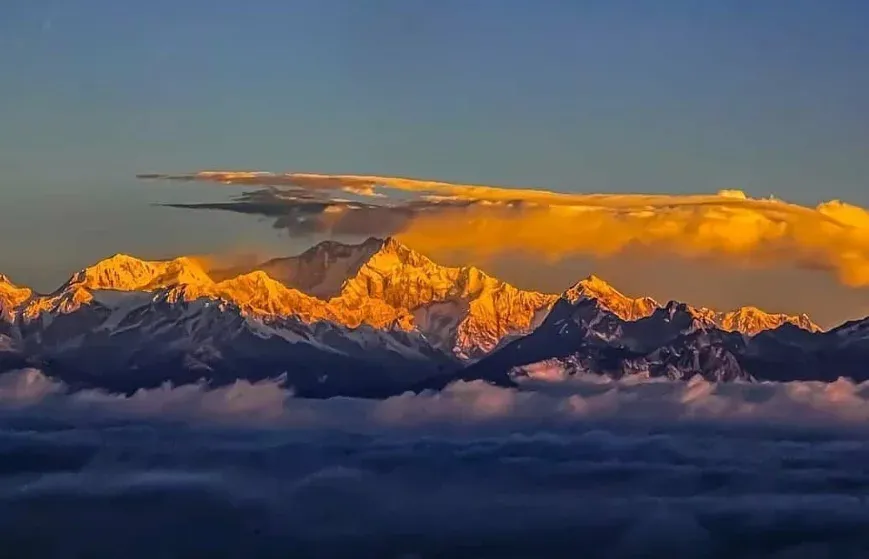
The view of Kanchenjunga (8,586 m, world's third-highest peak) from Pelling in West Sikkim at sunrise is one of the great Himalayan panoramas — the snow-white massif turns gold and pink in first light while the Teesta valley below is still in shadow.

  • Stay at a hotel on the upper Pelling ridge facing Kanchenjunga — request a room with mountain view and set an alarm for 5 AM. On clear mornings (Oct–Nov and Mar–Apr), the view is breathtaking from your window.
  • Visit Pemayangtse Monastery (300 years old, 2 km from Pelling) — one of Sikkim's oldest and most sacred, with extraordinary murals and a seven-tiered wooden mandala.
  • Day trip to Khecheopalri Lake (25 km from Pelling) — a sacred lake surrounded by prayer flags, forest and absolute silence. Considered the wish-fulfilling lake in Sikkimese Buddhist tradition.

5. North Sikkim — Gurudongmar Lake & Yumthang Valley

North Sikkim is one of India's most spectacular high-altitude experiences — Gurudongmar Lake at 17,800 feet is among the world's highest accessible lakes, and Yumthang Valley bursts into a carpet of rhododendrons every April and May.

  • A Restricted Area Permit for North Sikkim must be arranged through a registered local travel agent in Gangtok — book your trip through an agent rather than independently.
  • Acclimatise in Lachen (2,750 m) for at least one night before attempting Gurudongmar at 5,430 m — altitude sickness is a real risk if you drive up too fast from Gangtok.
  • Zero Point (4,428 m), 24 km beyond Yumthang, is the last accessible point on the road to China — snow-covered year-round, surrounded by Himalayan peaks.

6. Visit Tawang Monastery & Sela Pass, Arunachal Pradesh

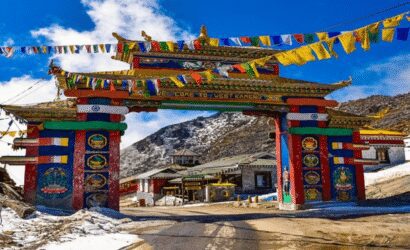
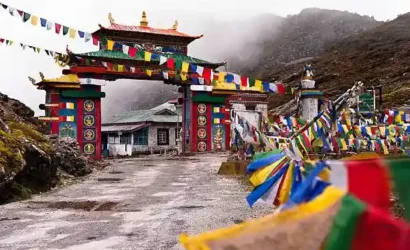
Tawang Monastery, perched at 10,000 feet in Arunachal Pradesh, is one of Asia's largest Buddhist monasteries — founded in the 17th century, housing 500 monks, overlooking a valley that leads to the China border. The drive crosses Sela Pass at 13,700 feet.

  • Obtain your Inner Line Permit (ILP) for Arunachal Pradesh before you travel — apply online at the Arunachal Pradesh government portal at least a week before departure.
  • Plan at least 2 nights in Tawang — the monastery at dawn, Tawang War Memorial, Madhuri Lake (Shungetsar) and Bum La Pass (Tibet border, separate permit required) are all worth time.
  • The road from Tezpur to Tawang via Bomdila and Sela Pass is 8–10 hours — break it into two days (overnight in Bomdila or Dirang) to enjoy the journey and adjust to altitude.

7. Attend the Hornbill Festival, Nagaland (December)

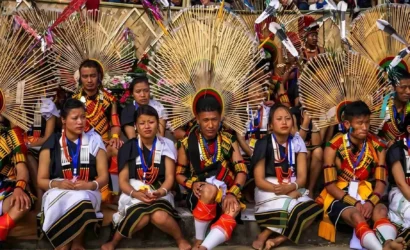
The Hornbill Festival at Kisama Heritage Village near Kohima is one of India's most extraordinary cultural events — all 16 major Naga tribes gather for 10 days of traditional dance, warrior performances, indigenous games, tribal food, craft markets and music.

  • Book accommodation in Kohima 3–4 months ahead — the festival draws thousands of national and international visitors and quality rooms disappear fast. It runs December 1–10 annually.
  • Arrive on opening day (December 1) for the full parade and inaugural ceremonies — each tribe enters in traditional war regalia with their distinct music and dance forms.
  • The Morung (tribal community hall) of each tribe at Kisama is reconstructed in traditional style — spend time inside each to understand the craft, weaponry and cultural objects of different Naga communities.

8. Brahmaputra River Cruise from Guwahati

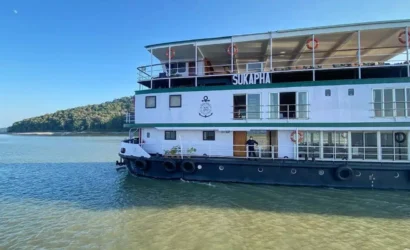
A sunrise boat ride on the Brahmaputra — one of the world's great rivers — from Guwahati's riverfront is a deeply atmospheric experience. Take the river ferry to Umananda Island (world's smallest inhabited river island) or book a multi-day luxury heritage cruise to Kaziranga.

  • The river ferry to Umananda Island leaves from Fancy Bazaar Ghat — quick, affordable and genuinely beautiful with views of the river and Kamakhya Temple on the hill above.
  • Multi-day Brahmaputra river cruises (3–7 nights from Guwahati to Kaziranga) offer a completely different experience — heritage cruise operators stop at river islands and forest shores. Premium but extraordinary.
  • Combine with a visit to Kamakhya Temple (one of India's most important Shakti shrines on Nilachal Hill above Guwahati) for a full Guwahati day.

9. Explore Majuli River Island, Assam

Majuli is the world's largest inhabited river island — 352 sq km in the Brahmaputra, accessible only by ferry, and home to the neo-Vaishnava sattra (monastery) tradition that has kept Assamese performing arts, mask-making and manuscript painting alive for 500 years.

  • Take the public ferry from Jorhat to Majuli (1–1.5 hours on the Brahmaputra) — an experience in itself as the boat navigates sandbars and river channels.
  • Visit at least two or three sattra monasteries — Auniati Sattra (oldest, museum of royal gifts), Kamalabari Sattra (Bhaona theatrical performances), Garamur Sattra (mask-making).
  • Stay in a Mishing tribal homestay for at least one night — the Mishing people build houses on stilts above the flood plain; their food and lifestyle are a cultural experience in themselves.

10. Trek the Dzükou Valley, Nagaland

Dzükou Valley (2,438 m) on the Nagaland–Manipur border is one of Northeast India's most spectacular trekking destinations — a high alpine valley carpeted in Dzükou lilies (July–August), rhododendrons and wildflowers, with extraordinary views across rolling green hills.

  • The standard trek starts from Viswema or Jakhama village (30 km from Kohima) — 3–4 hours up to the valley rim. A basic trekking hut is available for overnight stays.
  • Go in July–August for the Dzükou lily bloom (the valley's defining feature) or October–November for clear skies and good views without rain.
  • Hire a local Naga guide from Kohima — they know the trail, can arrange permits for the Manipur side of the valley, and the income directly supports local communities.

Top Things to Do — Quick Reference Table

Activity

Best Location

Best Season

Cost per Person*

Best For

1. Double Decker Living Root Bridge trek

Nongriat, Cherrapunji, Meghalaya

Oct–May

₹500–₹1,000 (guide + eco-hut)

Adventure lovers, couples, friend groups

2. Umngot River boat ride, Dawki

Dawki, Meghalaya

Nov–Mar (clearest)

₹300–₹600 per boat (shared)

Everyone, couples, families

3. Kaziranga rhino jeep safari

Kaziranga NP, Assam

Nov–Apr (park closed Jun–Oct)

₹2,500–₹4,500 per safari

Wildlife lovers, families, groups

4. Kanchenjunga sunrise, Pelling

Pelling, West Sikkim

Oct–Nov, Mar–Apr

₹0 extra (from hotel room)

Couples, honeymooners, families

5. North Sikkim — Gurudongmar & Yumthang

North Sikkim (via Gangtok)

Apr–Jun; Oct–Nov

₹5,000–₹9,000 (2-day via agent)

Adventure seekers, nature lovers

6. Tawang Monastery & Sela Pass

Tawang, Arunachal Pradesh

Mar–Jun, Sep–Nov

₹1,000–₹2,000 (entry + local)

Heritage lovers, adventure travellers

7. Hornbill Festival

Kisama, Kohima, Nagaland

Dec 1–10 only

₹500–₹1,500/day (festival entry)

Culture lovers, photographers

8. Brahmaputra river cruise

Guwahati, Assam

Oct–Mar

₹800–₹1,500 (day); luxury cruise premium

Couples, luxury travellers

9. Majuli river island visit

Majuli, Assam

Oct–Mar (post-flood)

₹500–₹1,000 (ferry + cycle + meals)

Culture lovers, solo travellers, photographers

10. Dzükou Valley trek

Viswema/Jakhama, Nagaland

Jul–Aug (lily bloom); Oct–Nov

₹800–₹1,500 (guide + hut)

Trekkers, adventure groups

*All costs are planning guidance only — prices vary by season, operator and travel style.

Read More
Rhino jeep safari, Kaziranga
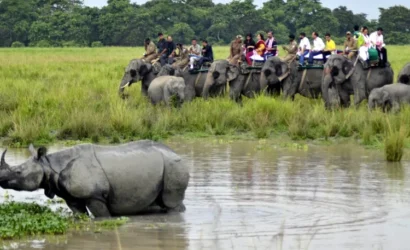
Elephant safari, Kaziranga

Red panda trek, Singalila Ridge
Double Decker Living Root Bridge trek
Northeast India Tourism Guide
Umngot River boat ride, Dawki
Kanchenjunga sunrise, Pelling
Tawang Monastery & Sela Pass
Northeast India Tourism Guide
Hornbill Festival
Brahmaputra river cruise
Northeast India Tourism Guide
Majuli river island visit
Northeast India Tourism Guide
Dzükou Valley trek

Best Time to Visit Northeast India (Weather & Season Guide)

Northeast India spans from low river plains (Assam, Tripura) to Himalayan altitude (North Sikkim at 17,800 ft, Tawang at 10,000 ft) to one of the world’s wettest plateaus (Meghalaya  Cherrapunji receives 11,000+ mm of rain annually). Weather varies dramatically by state and altitude — planning by state first, month second, is essential.

Overall:

  • October–April: Best for most Northeast states  clear skies, open wildlife parks, accessible mountain roads, crystal-clear rivers.
  • March–May: Rhododendron season in Sikkim; last window for Arunachal Pradesh before monsoon. Excellent for Meghalaya in March before pre-monsoon showers begin.
  • June–September: Heavy monsoon. Kaziranga closes June 1. Dawki river turns brown. Arunachal and Nagaland mountain roads can wash out. Meghalaya’s waterfalls are at full roar but the living root bridge trek is dangerous. Dzükou Valley (Nagaland) lily season July–August is worth it for dedicated trekkers.
  • December 1–10: Hornbill Festival in Nagaland  one of India’s greatest cultural events. Book accommodation 3–4 months ahead.


Month-wise region guide  Northeast India

The table below gives a quick view of which states are best in which month.

Remember: October to November long weekends (Diwali, other holidays) push hotel prices up 20–40% in Gangtok, Shillong and Kaziranga lodges  book 45–60 days ahead for peak window travel.

Month / SeasonBest States / ZonesWeather & Notes
Jan–Feb (winter)Assam (Kaziranga), Meghalaya, Tripura, GuwahatiBest wildlife visibility at Kaziranga (grass cut, animals visible). Clear and dry in Meghalaya. Very cold in Sikkim and Arunachal Pradesh — Tawang and North Sikkim roads may be icy or closed. Check road status before booking.
Mar–Apr (spring)Sikkim (rhododendron season), Arunachal Pradesh, MeghalayaYumthang Valley and Singalila Ridge in Sikkim at peak rhododendron bloom in April. Arunachal Pradesh passes clearing after winter. Meghalaya pleasant in March before pre-monsoon. Kaziranga begins closing in April–May as floods arrive.
May–Jun (pre-monsoon)North Sikkim (last clear window), Arunachal Pradesh (last chance before roads close)Monsoon arrives in Meghalaya and Assam by June — Kaziranga closes June 1. Good last window for North Sikkim (May) and Arunachal before July road closures. Waterfalls in Meghalaya begin building.
Jul–Aug (monsoon peak)Dzükou Valley, Nagaland (lily season only); Meghalaya waterfallsKaziranga fully closed. Arunachal Pradesh and Nagaland mountain roads frequently wash out. Living root bridge trek very dangerous. Meghalaya’s waterfalls are at maximum power. Only recommended for dedicated trekkers going to Dzükou Valley for lily bloom.
Sept (post-monsoon)Sikkim, Meghalaya (crowd thinning)Rain easing. Sikkim roads reopening. Meghalaya waterfalls still strong with fewer crowds. Kaziranga still closed. Some Arunachal and Nagaland roads still affected. Good value — off-season pricing. Ziro Music Festival (Arunachal) in September.
Oct–Nov (peak season)All Northeast states — the best overall windowKaziranga reopens in November. Mountain views crystal-clear across Sikkim and Arunachal. Meghalaya rivers at clearest. Roads fully open everywhere. Pre-Hornbill Festival energy in Nagaland. Book accommodation 45–60 days ahead for this window.
Dec (Hornbill + winter)Nagaland (Hornbill Festival), Assam (Kaziranga), MeghalayaHornbill Festival (December 1–10, Kohima) is the main draw. Kaziranga open and excellent. Meghalaya dry and clear. Cold in Sikkim and Arunachal — North Sikkim roads sometimes closed by December snowfall. Accommodation in Kohima must be booked 3–4 months ahead.
In short: Choose October–November for the best simultaneous access across all Northeast states. Choose March–April for Sikkim’s rhododendrons. Plan specifically around December 1–10 for the Hornbill Festival. Avoid July–August for most Northeast travel  particularly Kaziranga, Arunachal Pradesh and the living root bridge trek.

How to Reach Northeast India

Northeast India's geography — eight states connected to the rest of India by the narrow Siliguri Corridor — means that almost everyone arrives by flight or overnight train to Guwahati or Bagdogra, then travels onward by road. Road distances within the Northeast are often longer than they appear on a map.

Think of it as:

  • From anywhere in India → fly to Guwahati first for Assam, Meghalaya, Arunachal Pradesh, Nagaland, Manipur, Mizoram and Tripura
  • For Sikkim → fly into Bagdogra (West Bengal), then cab to Gangtok (3.5 hrs) or overnight train to New Jalpaiguri (NJP)
  • Within Northeast → road travel is the primary mode; mountain roads are slow — always add buffer time

Transport Options — Quick Reference

Mode

Best For

Pros

Watch Out For

Flight to Guwahati

All Northeast states except Sikkim; fastest entry

Multiple airlines, competitive fares; Guwahati connects to all Northeast states by road. Direct from Delhi (2.5 hrs), Mumbai (3 hrs), Bangalore (3 hrs), Kolkata (45 min)

Guwahati airport is 25 km from city. Onward road distances are long — Shillong 2.5 hrs, Kaziranga 4 hrs, Tawang 14+ hrs.

Flight to Bagdogra

Sikkim and Darjeeling

Direct from all metros; good frequency. Delhi 2 hrs, Mumbai 2.5 hrs, Kolkata 45 min

Bagdogra to Gangtok is 3.5 hrs by cab on mountain roads. Book cabs in advance for peak season.

Overnight train to Guwahati

Budget travellers from Delhi, Kolkata or rail-connected cities

Rajdhani, Saraighat Express and Brahmaputra Mail are comfortable; cheaper than flights; scenic entry into Assam

Delhi to Guwahati is 24+ hours; Kolkata to Guwahati is 16–18 hours. Book 60 days ahead for AC sleeper in peak season.

Road (within Northeast)

All intra-Northeast travel after arriving at hub airport

Only practical option for most destinations; hire local drivers who know hill and mountain roads

Mountain road speeds average 25–35 km/h. Always add 25–30% extra time to any Northeast road estimate. Hire local drivers, not general city drivers.

Read More

Popular Experiences in Northeast India

Honeymoon in Northeast India

Northeast India is rapidly becoming one of India's most exciting honeymoon zones — Sikkim in particular offers Himalayan scenery, Buddhist atmosphere, uncrowded roads and intimate boutique stays that is genuinely rare in Indian domestic travel.

Best Honeymoon Destinations in Northeast India

  • Pelling, Sikkim — The most romantic setting in the Northeast — waking to a wall of Kanchenjunga snow peaks from your hotel window, a quiet monastery morning at Pemayangtse, Khecheopalri's sacred silent lake. Intimate boutique mountain lodges from ₹4,000–₹12,000/night.
  • Gangtok, Sikkim — Clean, well-organised, range of boutique and heritage hotels. Evening mountain views, café culture on MG Marg, day trips to Tsomgo Lake.
  • Dawki & Mawlynnong, Meghalaya — For couples who want something completely different — boat on a glass-clear river, cycle through Asia's cleanest village, stay in a bamboo eco-lodge. Simple but genuinely magical.
  • Majuli Island, Assam — The world's largest river island — Mishing tribal homestay on stilts above the Brahmaputra floodplain, sunsets over the river. Best for couples comfortable with basic accommodation and genuinely offbeat experiences.

Typical honeymoon budget (land only): Around ₹20,000–₹50,000 per person for 5–7 days in Sikkim. Meghalaya and Assam are even more budget-friendly for comparable nature experiences.

Family Tours in Northeast India

Northeast India is excellent for families with older children and teenagers — wildlife, river activities, living root bridges and monastery visits create experiences that are genuinely educational and different from typical Indian family holidays.

Best Family Circuits

  • Kaziranga + Meghalaya Circuit (6 days) — Fly into Guwahati; 2 nights Kaziranga (rhino jeep safaris); drive to Shillong (1 night), Cherrapunji (2 nights — waterfalls, Mawsmai cave, easy root bridge walk). Excellent for families with children aged 10+.
  • Sikkim Family Loop (5 days) — Fly into Bagdogra; Gangtok (2 nights — Rumtek Monastery, ropeway, Tsomgo Lake); Pelling (2 nights — Kanchenjunga views, Pemayangtse Monastery, cable car). Child-friendly, well-developed infrastructure.
  • Guwahati + Kaziranga + Majuli (5 days) — Kaziranga safaris (2 nights), then ferry to Majuli (2 nights — sattra monastery visits, Mishing tribe interaction). Genuinely offbeat and deeply memorable.

Wildlife & Nature in Northeast India

Northeast India is India's wildest zone — part of the Indo-Burma biodiversity hotspot and one of the world's 25 most biologically diverse areas.

  • Kaziranga National Park (Assam) — UNESCO World Heritage Site. One-horned rhinos (world's highest density), tigers, wild Asian elephants, water buffalo and 480+ bird species.
  • Manas National Park (Assam) — UNESCO World Heritage Site. Golden langur, pygmy hog, tiger and elephant in pristine forest. Less visited than Kaziranga with a more wilderness feel.
  • Keibul Lamjao National Park (Manipur) — World's only floating national park on Loktak Lake's phumdis (floating biomass islands). Home to the endangered Sangai (Manipur's brow-antlered deer).
  • Singalila Ridge (Sikkim/West Bengal border) — Red panda habitat. Best trekked in April for rhododendrons or October–November for clear mountain views.
  • Namdapha National Park (Arunachal Pradesh) — One of India's most biodiverse parks — snow leopard, clouded leopard, tiger and hoolock gibbon in the same forest. Very remote — for serious wildlife enthusiasts.

Tribal Culture & Heritage in Northeast India
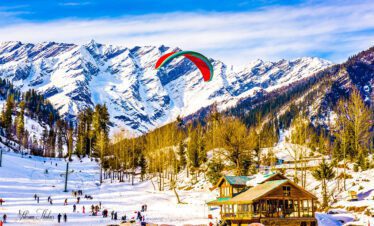
The Northeast's most unique offering is its extraordinary tribal diversity — over 200 indigenous tribes live across the eight states, many maintaining living cultural traditions in dress, architecture, food, agriculture and ceremony.

  • Nagaland — 16 major Naga tribes, each with distinct traditional dress, dance, longhouse architecture and oral traditions. Hornbill Festival (December) brings them all together. Mon District's Konyak tribe allows village visits.
  • Arunachal Pradesh — 26 major tribes. The Apatani of Ziro Valley are known for sustainable wetland rice cultivation and traditional facial tattoos (older women). Tawang district's Monpa tribe maintains Tibetan Buddhist traditions.
  • Meghalaya — Khasi, Jaintia and Garo tribes. The Khasi are one of the world's few matrilineal societies — property and family name pass through the mother's line. Living root bridge technology is exclusively Khasi.
  • Manipur — Ima Keithel (Mothers' Market) in Imphal is the world's only market run entirely by women — over 5,000 women vendors. A genuinely unique cultural experience.
Read More
Kanchenjunga sunrise, Pelling
Honeymoon in Northeast India
Northeast India Tourism Guide
Family Tours in Northeast India
Elephant safari, Kaziranga
Wildlife & Nature Experiences in Northeast India
Northeast India Tourism Guide
Tribal Culture & Heritage in Northeast India
Popular Northeast India Itineraries (5–9 Days)

Northeast India's clusters are distinct enough that most itineraries focus on one or two zones rather than trying to cover everything. Here are the most popular ready-made Northeast India itineraries — use them as-is or adapt based on your travel dates, interests and group.

Read More
Northeast India Tourism Guide

5-Day Meghalaya Road Trip (Shillong, Cherrapunji & Dawki)

Best for: First-time Northeast travellers, couples, families with older kids | Best season: October to May | Fly in/out: Guwahati


  • Day 1: Fly into Guwahati → afternoon drive to Shillong (2.5 hrs) → evening on Police Bazaar, Ward's Lake, local Khasi food
  • Day 2: Shillong full day - Shillong Peak, Elephant Falls, Mawphlang Sacred Forest, Don Bosco Museum of Indigenous Cultures
  • Day 3: Drive to Cherrapunji (1.5 hrs) - Nohkalikai Falls (India's highest plunge waterfall), Seven Sisters Falls, Mawsmai Cave, Eco Park viewpoint
  • Day 4: Nongriat trek (early 7 AM start) - Double Decker Living Root Bridge (5–6 hrs return). OR: day trip to Dawki for non-trekkers - Umngot River boat + Mawlynnong village
  • Day 5: Cherrapunji to Dawki (60 km) - morning Umngot River boat ride, Mawlynnong village walk → drive back to Guwahati (3 hrs) → fly home
Read More
Northeast India Tourism Guide

6-Day Assam Wildlife & Meghalaya Combo

Best for: Wildlife lovers, families, first-time Northeast travellers | Best season: November to March | Fly in/out: Guwahati


  • Day 1: Fly into Guwahati → evening at Kamakhya Temple and Brahmaputra riverside
  • Day 2: Drive Guwahati → Kaziranga (4 hrs) → afternoon Central Range jeep safari (rhinos, elephants, wild buffalo)
  • Day 3: Kaziranga — early morning Western Range safari (sunrise, birdwatching) → afternoon at the range buffer zone
  • Day 4: Drive Kaziranga → Shillong (5 hrs) → evening at Police Bazaar
  • Day 5: Drive Shillong → Cherrapunji (1.5 hrs) → full day at Cherrapunji (Nohkalikai, Seven Sisters Falls, Mawsmai Cave, root bridge walk for fit travellers)
  • Day 6: Cherrapunji → Dawki (60 km) → Umngot River boat, Mawlynnong village → drive back to Guwahati → fly home
Read More
Northeast India Tourism Guide

7-Day Sikkim Circuit (Gangtok, North Sikkim & Pelling)

Best for: Couples, honeymooners, mountain lovers, adventure seekers | Best season: April (rhododendrons) or October–November | Fly in/out: Bagdogra | Permit required: North Sikkim Restricted Area Permit - arrange via local agent in Gangtok


  • Day 1: Fly into Bagdogra → cab to Gangtok (3.5 hrs) → evening on MG Marg, Lal Bazaar
  • Day 2: Gangtok Rumtek Monastery, Enchey Monastery, Gangtok ropeway, Nathu La Pass day trip option (4,310 m, China border  separate permit)
  • Day 3: Drive Gangtok → Lachen (4 hrs, 2,750 m) → overnight acclimatisation stay for North Sikkim
  • Day 4: Pre-dawn drive Lachen → Gurudongmar Lake (17,800 ft, 2 hrs) → sunrise at the lake → return to Lachen → drive to Lachung (2 hrs) → overnight
  • Day 5: Drive Lachung → Yumthang Valley (3,564 m, 1 hr) → rhododendron valley walk, Zero Point (4,428 m) optional → return to Gangtok (4 hrs)
  • Day 6: Drive Gangtok → Pelling (4 hrs) → afternoon at Pemayangtse Monastery, Kanchenjunga sunset view
  • Day 7: Pelling Khecheopalri Lake, Singshore Bridge (India's highest suspension bridge over a gorge) → drive to Bagdogra (3.5 hrs) → fly home
Read More
Northeast India Tourism Guide

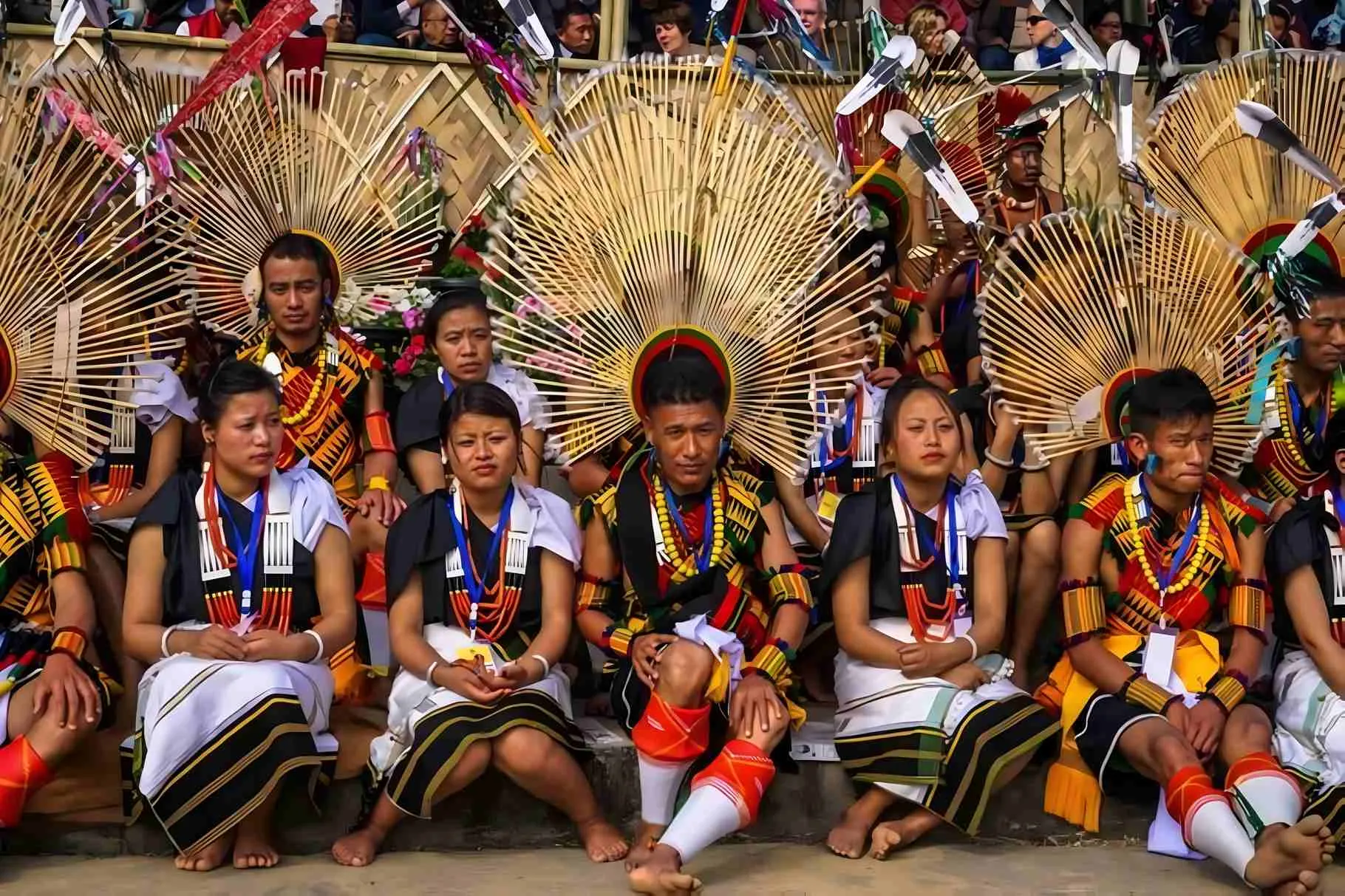
8-Day Nagaland & Hornbill Festival (December)

Best for: Culture lovers, photographers, friend groups | Only possible: First week of December | Fly in: Dimapur (Nagaland) | Permit required: ILP for Nagaland - apply well in advance


  • Day 1: Fly Guwahati or Kolkata → Dimapur → drive to Kohima (3 hrs) → evening orientation walk in Kohima
  • Day 2: Kohima - Kohima War Cemetery (one of the most moving WWII memorials in India), Kohima State Museum, Naga Heritage Village
  • Days 3–6: Hornbill Festival at Kisama Heritage Village (12 km from Kohima) - attend daily 9 AM to 5 PM. Each day features different tribes in full traditional regalia with dance, music, warrior demonstrations and craft markets
  • Day 7: Day trip to Khonoma village (20 km from Kohima) - India's first Green Village, ancestral Angami Naga village, guided heritage walk through traditional longhouses and terraced agriculture
  • Day 8: Morning at Kohima market (Naga shawls, local crafts) → drive to Dimapur (3 hrs) → fly home
Read More

Frequently Asked Questions about Northeast India Tourism Guide

The best time is October to April. October–November is the single best window — Kaziranga is open, mountain views are clear, Meghalaya rivers are crystal, and roads are fully accessible. March–April is best for Sikkim's rhododendron season. December 1–10 is best for Nagaland's Hornbill Festival. Avoid July–August for most travel — Kaziranga closes, Arunachal and Nagaland mountain roads can wash out, and Dawki river turns brown in heavy monsoon.

A 5–6 day Meghalaya road trip costs approximately ₹25,000–₹42,000 per person (land only, excluding flights). A Sikkim circuit (5–6 days) costs ₹28,000–₹45,000. An Assam and Meghalaya combo with Kaziranga safari (5–6 days) runs ₹25,000–₹45,000. Arunachal Pradesh (Tawang) trips run higher — ₹35,000–₹65,000 — due to Inner Line Permit requirements and longer road distances. All budgets are land costs; flights from your home city are additional.

Indian nationals do not need any permit for Assam, Meghalaya, Sikkim (most areas) and Tripura. An Inner Line Permit (ILP) is mandatory for Arunachal Pradesh, Nagaland and Mizoram — apply online at the state government portals or at state offices in Delhi, Kolkata or Guwahati (1–3 days processing). North Sikkim (Gurudongmar Lake, Yumthang Valley) requires a Restricted Area Permit arranged through a registered local travel agent in Gangtok. Always carry your Aadhaar card and physical copies of all permits throughout your Northeast trip.

For a first trip, the Meghalaya Road Trip is ideal: fly into Guwahati (Day 1), drive to Shillong (Day 1 evening), explore Shillong (Day 2), drive to Cherrapunji (Day 3 — Nohkalikai Falls, Seven Sisters Falls, Mawsmai Cave), trek to the Double Decker Living Root Bridge (Day 4 — early start), drive to Dawki (Day 5 — Umngot River boat ride and Mawlynnong village), return to Guwahati and fly home (Day 6). Alternatively, fly into Bagdogra for a 5-day Sikkim loop: Gangtok (2 nights), North Sikkim (1 night), Pelling (2 nights) — no ILP needed for Indian nationals.

Yes — Northeast India is among the safest zones in India for domestic travel. Meghalaya, Sikkim and Assam have well-developed tourist infrastructure and very low crime. Kaziranga's jeep safaris are perfectly safe and exciting for children. The Double Decker Living Root Bridge trek in Cherrapunji (3,500+ steps) is not suitable for young children or elderly travellers, but Cherrapunji has several accessible waterfalls and cave visits. For families with mixed ages, the Assam and Meghalaya combo (Kaziranga + Shillong + Cherrapunji) is the most practical and rewarding first Northeast trip.

Meghalaya is better for travellers who want dramatic landscapes, the living root bridge experience, the world's clearest river (Dawki) and lush green plateau scenery — it also pairs well with Kaziranga's rhino safari for an exceptional nature trip. Sikkim is better for those who want Himalayan mountain views, Buddhist monasteries, high-altitude lakes and a more organised hill station experience. Both are easy first-timer Northeast choices with no ILP requirement. Choose Meghalaya for rivers and forest; choose Sikkim for mountains and monasteries.

The Hornbill Festival is Nagaland's annual 10-day cultural festival held every year from December 1–10 at Kisama Heritage Village near Kohima. All 16 major Naga tribes gather for traditional dance, warrior performances, tribal games, craft markets and indigenous food. It is one of India's most extraordinary cultural events. An Inner Line Permit (ILP) is required for Indian nationals visiting Nagaland. Book accommodation in Kohima at least 3–4 months ahead — quality rooms sell out fast during festival week.

Guwahati is the main gateway — direct flights from Delhi (2.5 hrs), Mumbai (3 hrs) and Bangalore (3 hrs). From Guwahati you can reach Shillong by road in 2.5 hours and Kaziranga in 4 hours. For Sikkim, fly into Bagdogra (direct from Delhi 2 hrs, Mumbai 2.5 hrs, Kolkata 45 min) and take a cab to Gangtok (3.5 hrs). For Nagaland, fly to Dimapur from Kolkata or Delhi and drive 3 hours to Kohima. For Arunachal Pradesh, fly to Guwahati or Tezpur and drive onward — Tawang is 8–10 hours from Tezpur on mountain roads.

The unmissable places are: the Double Decker Living Root Bridge at Cherrapunji (Meghalaya), the crystal-clear Umngot River at Dawki (Meghalaya), Kaziranga National Park for one-horned rhino safaris (Assam), Gangtok and Pelling for Kanchenjunga views (Sikkim), Gurudongmar Lake in North Sikkim (one of the world's highest lakes), Tawang Monastery in Arunachal Pradesh (one of Asia's largest Buddhist monasteries) and the Hornbill Festival in Nagaland (December). Majuli river island in Assam and Mawlynnong village in Meghalaya are also highly recommended.

For Sikkim and Arunachal Pradesh, carry warm layered clothing year-round — temperatures drop sharply at altitude even in summer. For North Sikkim (Gurudongmar Lake at 17,800 ft), bring thermals, a heavy jacket, gloves and a woolly hat even in October. For Meghalaya, carry a quality rain jacket and waterproof shoes year-round — unexpected showers are common even in winter. For Kaziranga safaris, wear neutral-coloured clothing (olive, khaki, grey) and a light jacket for early morning drives. For the Hornbill Festival (December), carry warm layers as Kohima evenings are cold. Always carry a power bank and physical copies of all permits and Aadhaar card.

Our Featured Blogs for Northeast India Tourism Guide

Kerala backwaters houseboat

Kerala Backwaters: What a Houseboat Night Is Actually Like

A Kerala backwaters houseboat experience typically includes cruising through palm-lined...

Read More
India itinerary 15 days

India Itinerary 15 Days: A Complete 2-Week Trip Plan for First-Time Visitors

A India Itinerary 15 Days is enough for first-time visitors...

Read More
best time to visit India

Best Time to Visit India: Month-by-Month Guide for Every Region 2026

India doesn’t have just one “best time.” It has many....

Read More
International Trips Cost from India

International Trips Cost from India Under ₹1 Lakh – 2026 Mega Budget Guide

International trips cost from India under ₹1 lakh in 2026...

Read More
Thailand Trip

Thailand Trip Cost from India 2026: Budget, Mid-Range & Luxury Breakdown

A 5–7 day Thailand trip from India under ₹1 lakh...

Read More
Vietnam Trip

Vietnam Trip Cost from India Under ₹1 Lakh (2026 Full Budget & Itinerary Guide)

A 6 to 8 day Vietnam trip from India in...

Read More
Bali Honeymoon Trip Cost from India

Bali Honeymoon Trip Cost from India Under ₹1 Lakh

If you’re dreaming of sunsets, private pool villas and rice...

Read More
Sri Lanka Trip

Sri Lanka Trip Cost from India Under ₹1 Lakh (2026 Full Guide)

Planning your next international trip and wondering,“Sri Lanka trip cost...

Read More
Nepal Trip

Nepal Trip Cost from India Under ₹1 Lakh (2026 Full Guide)

A 6 to 7 day Nepal trip from India under...

Read More
Singapore Discovery Tour Package

Singapore & Malaysia Trip Cost from India Under ₹1 Lakh (2026 Guide)

A 6 to 7 days Singapore & Malaysia trip from...

Read More
Baku

Baku Trip Cost from India Under ₹1 Lakh (2026 Guide)

If you’ve been watching reels of glass flame-shaped towers, cobbled...

Read More
Almaty Trip

Almaty Trip Cost from India Under ₹1 Lakh (2026 Full Guide)

Almaty trip cost from India can range between ₹65,000 and...

Read More

Plan Your Dream Holiday Today

Book early and get the best deals on international packages. Fill out the form to secure your spot.

🌐 Serving Customers from 350+ Cities in India
🔒 100% Secure Payments & Data Protection
🧳 Travel Experts With 10+ Years Experience