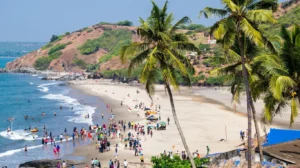
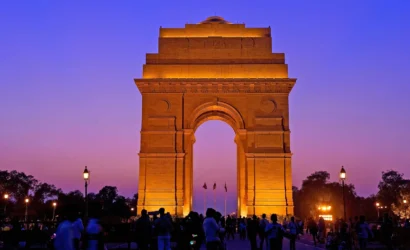
India Tourism Guide
India Tourism Guide for Indian travellers who want to plan smart, budget-friendly trips across the country. This guide covers the best places to visit in India, zone-wise destinations, trip cost, best time to visit, honeymoon tours, family holidays, monsoon trips, winter trips, tour planning with Wishtogo.in.
India is easily one of the most value-for-money holiday destinations for Indians themselves. From snowy mountains and deserts to beaches and backwaters, you can enjoy every kind of trip without a passport stamp. This guide helps you choose where to go, when to go, how much to spend, and how to plan smartly.
On this Page
Home - Destination Guide - India
Why Travel in India for Your Next Holiday?
India gives you international-style experiences without international-level costs. You can enjoy beaches, mountains, deserts, wildlife, ancient cities and luxury stays while still keeping a family trip under ₹1 lakh if you plan wisely.
For Indian travellers, holidaying within India also means fewer visa worries, simpler packing, predictable food options and easy connectivity from most major cities.
This India Tourism Guide is designed as a starting point. Once you know your zone, budget and season, you can open detailed state guides like Kerala tourism, Rajasthan tourism or Goa tourism for more depth.
Key reasons Indians love travelling within India
For most middle-class families, time, budget and comfort are the three big concerns. Here’s how domestic travel answers all three:
No visa stress:
No forms, no embassy visits, no rejection fear. A confirmed leave approval is usually enough to lock your holiday.Lower total trip cost:
Even with flights, many Indian destinations work out cheaper than an international trip once you add visas, forex and insurance.Flexible dates & shorter trips:
Weekend getaways, long weekends and 3–4-day breaks are easy to plan to nearby states.Food comfort:
You will always find Indian food – vegetarian, Jain, South Indian, North Indian – almost everywhere, which is a big relief for families and elders.Huge variety of experiences:
Snow, deserts, beaches, forests, pilgrimage towns, party hubs – India has it all in one country.
Ideal trip duration & budget ranges inside India
Most Indian travellers balance annual leave, school holidays and EMIs while planning. Here’s a quick idea of typical trip sizes:
Weekend / 3-day trip:
Nearby hill station or city break.
Typical budget: ₹8,000–₹18,000 per person including stay and travel (by train/bus or short flight).4–6-day trip:
Popular state circuits like Kerala, Goa, Himachal Pradesh, Rajasthan.
Typical budget: ₹20,000–₹45,000 per person depending on flights and hotel category.7–10-day grand holiday:
Multi-city or multi-state itineraries – for example, Golden Triangle or North-East.
Typical budget: ₹40,000–₹85,000 per person.
In short, India tourism is perfect if you want a mix of comfort, variety and value for money, and don’t want your passport or visa status to decide your holiday.
Need a Custom India Itinerary?
Speak to Our Expert Tour Consultant on WhatsApp.
Top Places to Visit in India
India is huge, so it’s easier to think in regions. Below you’ll find major regions with their star destinations, ideal trip duration and who they suit best.
North India Highlights
The North Zone (Jammu & Kashmir, Ladakh, Himachal Pradesh, Uttarakhand, Punjab, Haryana, Delhi, Uttar Pradesh) is great if you want a mix of monuments, snowy mountains and spiritual cities in one holiday. It’s also the most popular zone for summer vacations and first-time India trips.
Key destinations (North India)
These are the classic bases and “must-see” spots for North India tourism:
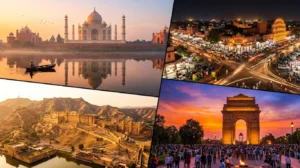
Delhi – history, food, shopping and base for many trips
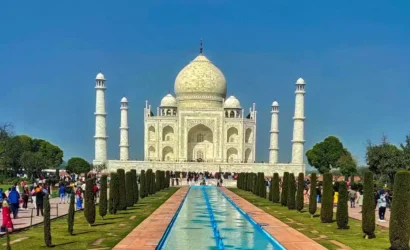
Agra – Taj Mahal and Mughal heritage
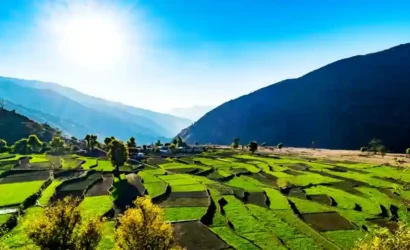
Uttarakhand – hill stations like Nainital, Mussoorie, Rishikesh and Jim Corbett
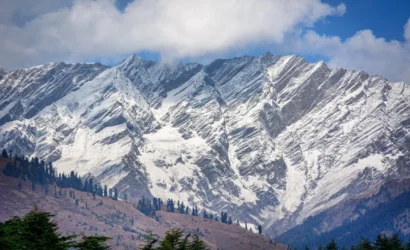
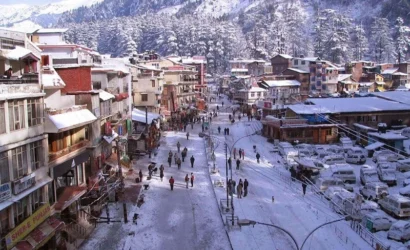
Himachal Pradesh – Shimla, Manali, Dalhousie and popular beginner treks
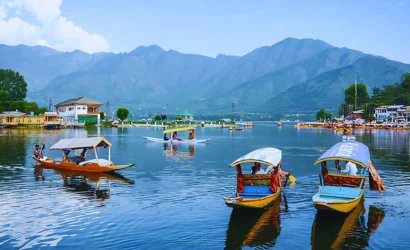
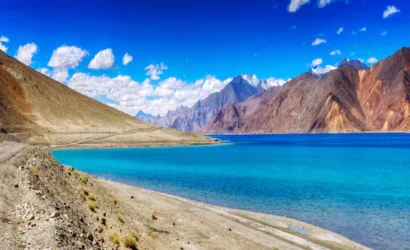
Jammu & Kashmir & Ladakh – Srinagar, Gulmarg (skiing), Pahalgam, high-altitude Ladakh lakes and monasteries
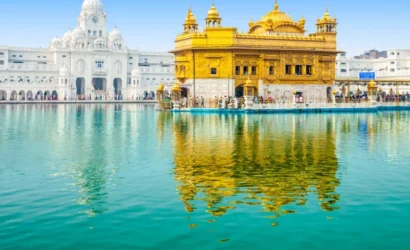
Punjab – Amritsar and the Golden Temple
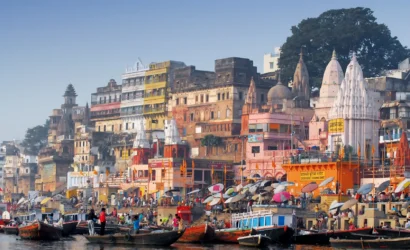
Uttar Pradesh – Varanasi (Ganga aarti, ghats, old lanes), Ayodhya, Mathura–Vrindavan
Typical trip ideas & budgets (ex-Delhi)
This table gives a quick feel of common North Zone itineraries and costs.
| Trip Type | Duration | Approx. Budget per Person* | Notes |
|---|---|---|---|
| Delhi–Agra–Jaipur (Golden Triangle) | 5–6 days | ₹25,000–₹40,000 | Great first-timer circuit |
| Uttarakhand hills | 4–6 days | ₹18,000–₹35,000 | Ideal for families & seniors |
| Himachal (Shimla/Manali focus) | 5–6 days | ₹20,000–₹40,000 | Good mix of views & easy sightseeing |
| Ladakh by air | 6–7 days | ₹40,000–₹65,000 | High altitude, plan slowly |
*Budget includes stay, local transport and basic activities; flights/train to start point extra.
Best months for North Zone:
February to April and October to December are ideal for most circuits, avoiding extreme summer heat in the plains and heavy winter road closures in the higher mountains.
West India Highlights
The West Zone (Goa, Gujarat, Maharashtra, Daman & Diu, Dadra and Nagar Haveli) mixes beaches, deserts and vibrant cities. It works well for party trips, cultural holidays, long weekends and even quick breaks from Mumbai, Pune or Ahmedabad.
Key destinations (West India)
Think of the West Zone as your beach + desert + big-city combo:
Goa – beaches, nightlife, cafes, family-friendly resorts
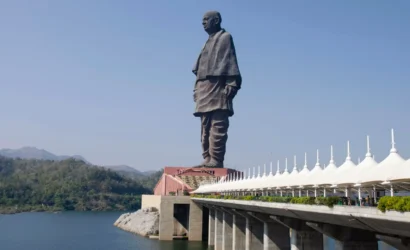
Gujarat – Rann of Kutch, Gir National Park (Asiatic lions), Somnath, Dwarka
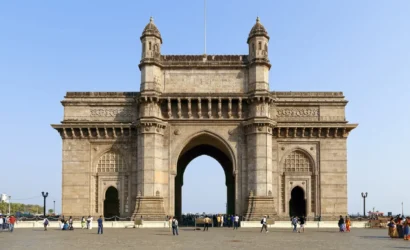
Maharashtra – Mumbai, Pune, hill stations like Lonavala and Mahabaleshwar, plus Ajanta/Ellora Caves
Daman & Diu – quieter coastal towns with beaches and heritage quarters
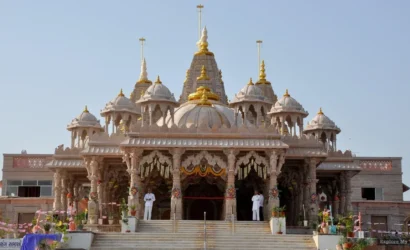
Dadra and Nagar Haveli – forests, dams and small nature getaways
Typical circuits (ex-Mumbai / Pune / Ahmedabad)
The Central Zone (Madhya Pradesh, Chhattisgarh) is India’s heritage-and-wildlife heart. It’s ideal if you’re excited about ancient temples, UNESCO sites and tiger safaris instead of beaches or shopping.
Key destinations (Central India)
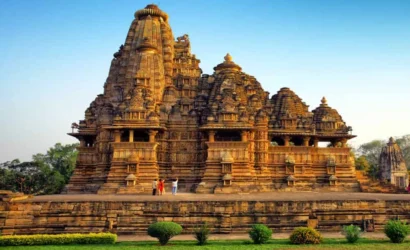
Madhya Pradesh – Khajuraho Temples, Kanha & Bandhavgarh National Parks, Sanchi Stupa, Gwalior, Orchha, Pachmarhi
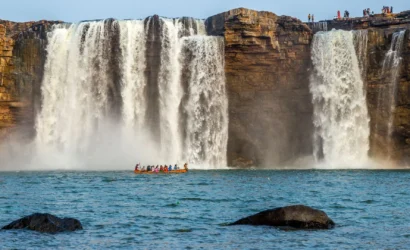
Chhattisgarh – waterfalls, caves and tribal culture experiences (more offbeat and less commercial)
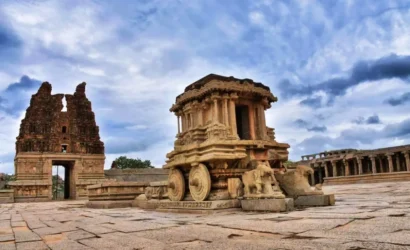
| Circuit | Duration | Budget per Person | Notes |
|---|---|---|---|
| Goa (North or South) | 4–5 days | ₹20,000–₹40,000 | Flight cost drives total budget |
| Rajasthan heritage tour* | 6–7 days | ₹30,000–₹55,000 | Palaces, forts, desert camp |
Mumbai–Lonavala–Mahabaleshwar | 3–4 days | ₹12,000–₹22,000 | Self-drive or cab, great in monsoon |
Single tiger park (Kanha/Bandhavgarh) | 3–4 days | ₹18,000–₹35,000 | Wildlife enthusiasts |
Khajuraho + nearby park (Panna/Kanha) | 5–6 days | ₹25,000–₹45,000 | Heritage + safari mix |
| Bhopal–Sanchi–Bhimbetka–Udayagiri | 4–5 days | ₹20,000–₹38,000 | History & culture fans |
*Rajasthan is technically North/West overlap but often combined with West-zone trips from Mumbai/Pune.
Best months for West Zone:
Goa & coastal UTs (Daman & Diu): November to February for best beach weather
Rann of Kutch & Gir: November to March (Rann festival & safari season)
Western Ghats hill stations: June to September for lush monsoon drives (but with heavy rain)
Best months for Central Zone:
November–March is pleasant for both sightseeing and safaris. April–June is very hot but offers higher chances of tiger sightings due to thinner forest cover and animals clustering around water sources.
South India Highlights
The South Zone (Kerala, Tamil Nadu, Karnataka, Andhra Pradesh, Telangana, Lakshadweep, Puducherry) offers green landscapes, temples, calm backwaters, laid-back hill stations and some of India’s best island experiences. It suits travellers who like comfortable weather and softer travel days.
Key destinations (South India)
Here you get a mix of culture, nature and coast:
Bengaluru & Mysuru – city life plus palaces and heritage
Coorg & Chikmagalur – coffee estates and misty hills
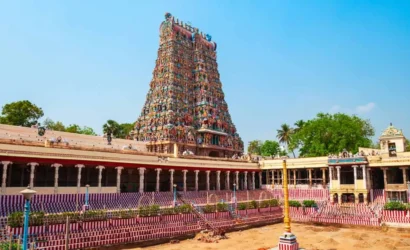
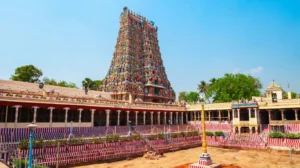
Tamil Nadu – Ooty, Kodaikanal, temple towns like Madurai, Rameswaram, Kanchipuram
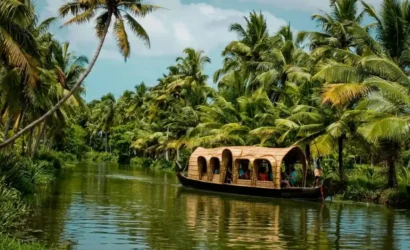
Kerala – Kochi, Munnar, Alleppey backwaters, Kovalam/Varkala beaches
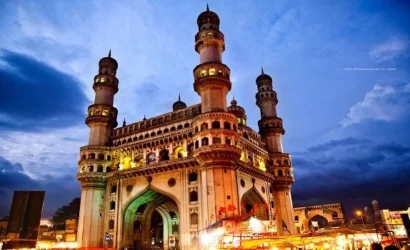
Hyderabad – food, Charminar, Ramoji Film City
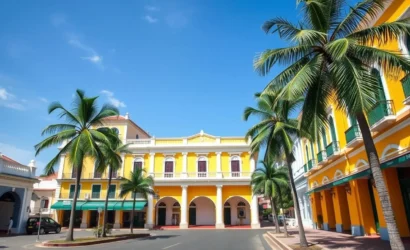
Puducherry – French quarter, cafes, seaside promenade
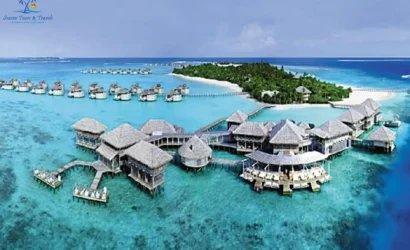
Lakshadweep – remote, permit-based blue-water islands (premium but stunning)
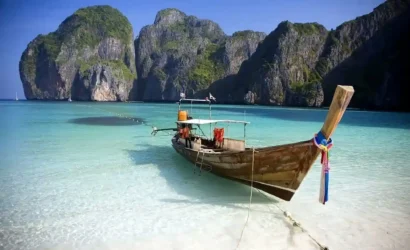
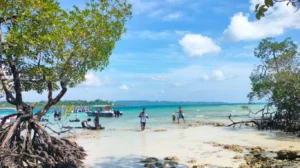
Andaman and Nicobar Islands* – Havelock, Neil Island and Port Blair for scuba and white-sand beaches
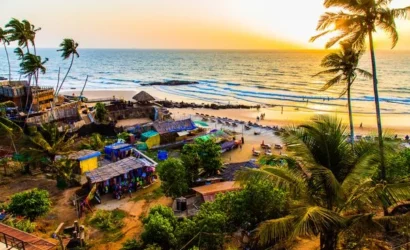
*Technically under separate administration, but commonly planned from South/ East India as an island holiday.
Trip patterns (ex-Bangalore / Chennai / Hyderabad)
| Circuit | Duration | Budget per Person | Best For |
|---|---|---|---|
| Coorg / Chikmagalur road trip | 3–4 days | ₹10,000–₹20,000 | Quick weekend from Bangalore |
| Ooty–Coonoor / Kodaikanal | 4–5 days | ₹18,000–₹32,000 | Families, honeymooners |
| Classic Kerala (Munnar–Alleppey–Kochi) | 5–6 days | ₹25,000–₹45,000 | First-timers, couples |
| Island add-on (Lakshadweep/Andaman) | 5–6 days | ₹45,000–₹80,000+ | Honeymoons, special trips |
Best months for South Zone:
South India is comfortable almost all year, but:
Nov–Feb: best overall for Kerala, coast and temple towns
Apr–Jun: great for hill stations (Ooty, Kodaikanal, Munnar, Coorg)
Jun–Sep: lush monsoon in Western Ghats and Kerala, but expect frequent rains
East India Highlights
The East Zone (West Bengal, Bihar, Odisha, Jharkhand) is ideal if you love river landscapes, temple architecture, wildlife and old-world culture without extreme crowds. It’s more about depth and heritage than rushing between many cities.
Key destinations (East India)
West Bengal – Darjeeling (hill station), Kolkata (colonial heritage, food, markets), Sundarbans mangroves
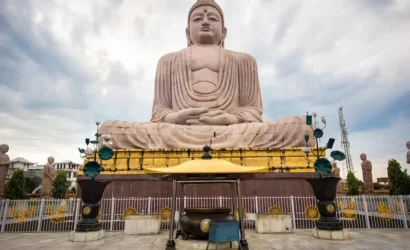
Bihar – Bodh Gaya and the broader Buddhist circuit (Nalanda, Rajgir)
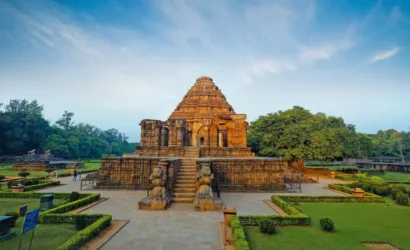
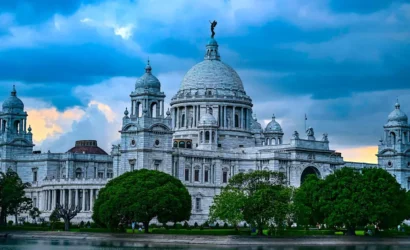
Odisha – Puri (Jagannath Temple, beaches), Konark Sun Temple, Chilika Lake
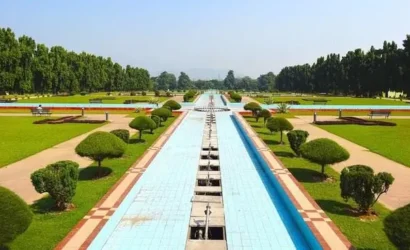
Jharkhand – waterfalls, forested areas and quieter nature getaways
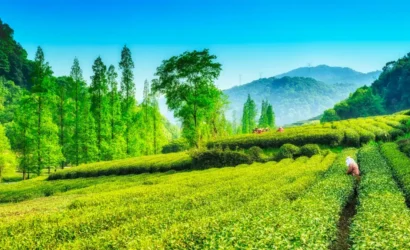
Typical circuits (ex-Kolkata / Patna / Bhubaneswar)
| Circuit | Duration | Budget per Person | Traveller Type |
|---|---|---|---|
| Kolkata city + short Sundarbans | 4–5 days | ₹18,000–₹35,000 | Culture + light wildlife |
| Puri–Konark–Chilika coastal trip | 4–5 days | ₹18,000–₹32,000 | Family temple + beach combo |
| Bodh Gaya & Buddhist circuit | 4–6 days | ₹20,000–₹38,000 | Spiritual & history lovers |
Best months for East Zone:
October–April is ideal, avoiding the heavier monsoon months when humidity and rain can make long sightseeing days harder.
Northeast India Highlights
The Northeast Zone (Arunachal Pradesh, Assam, Meghalaya, Manipur, Mizoram, Nagaland, Tripura, Sikkim) is perfect if you love greenery, slow travel and cooler temperatures with fewer crowds. It feels quite different from the rest of India in culture, food and vibe.
Key destinations (Northeast India)
Assam – Kaziranga National Park safaris, Brahmaputra river cruises, Guwahati
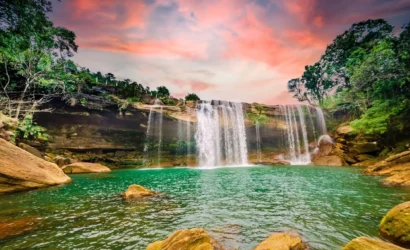
Meghalaya – Shillong, Cherrapunji, Living Root Bridges, Dawki’s clear waters
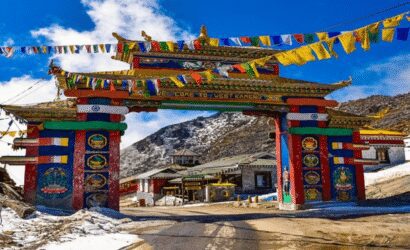
Arunachal Pradesh – Tawang Monastery, Ziro Valley (for more adventurous travellers)
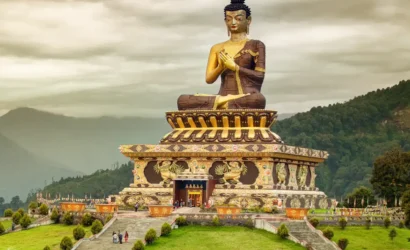
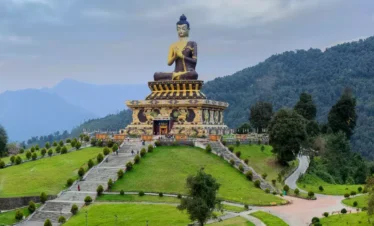
Sikkim – Gangtok, Pelling, North Sikkim (Gurudongmar, Yumthang, Nathu La Pass)
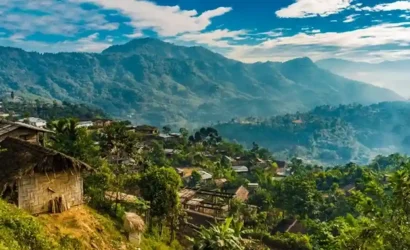
Nagaland – Kohima, Hornbill Festival
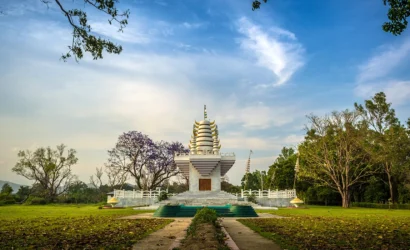
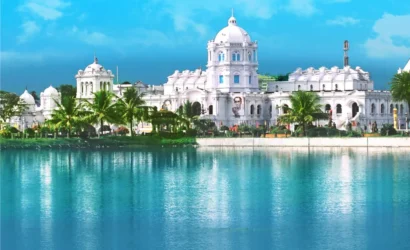
Manipur, Mizoram, Tripura – offbeat, culture-focused trips for experienced travellers
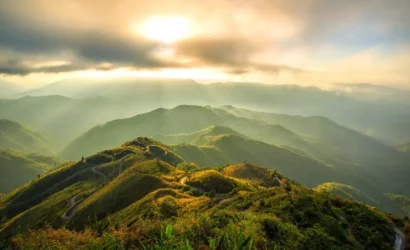
Typical circuits (ex-Guwahati / Bagdogra)
| Circuit | Duration | Budget per Person | Traveller Type |
|---|---|---|---|
| Sikkim (Gangtok–Pelling loop) | 5–6 days | ₹28,000–₹45,000 | First-timers, families |
| Meghalaya road trip | 5–6 days | ₹25,000–₹42,000 | Nature lovers, friends |
| Assam (Kaziranga + Shillong mix) | 5–6 days | ₹25,000–₹45,000 | Wildlife + hills combo |
Best months for Northeast Zone:
October–April works best, as heavy rains in monsoon can affect road conditions, especially in hill areas.
Best Time to Visit India (Weather & Crowd Guide)
India is a year-round destination, but different regions shine in different months. Planning around weather helps you avoid trip-spoiling heat, rain or road closures.
Overall:
October–March: Best for most plains, deserts and cultural circuits.
April–June: Best for hill stations and early-summer trips.
June–September: Monsoon specials (Kerala, Western Ghats, some Himalayan valleys) but with rain expectations.
Month-wise region guide
The table below gives a quick view.
Before the table, remember that school holidays (April–June, Diwali, Christmas–New Year) push prices up by 20–40%.
| Month / Season | Regions to Prefer | Weather & Notes |
|---|---|---|
| Jan–Feb (winter) | Rajasthan, Gujarat, Goa, Kerala, South India hills | Pleasant in most places; can be very cold in North mountains |
| Mar–Apr (spring) | North & Central India cities, moderate hills | Good for sightseeing; early summer heat in some plains |
| May–mid Jun (peak summer) | Hill stations in Himachal, Uttarakhand, Sikkim, Meghalaya | Crowded but cool; book stays and trains early |
| Mid Jun–Sep (monsoon) | Kerala, Western Ghats, some interior hills | Lush landscapes, off-season deals; expect heavy rain days |
| Oct–Nov (post-monsoon) | Almost all regions, including North-East & Rajasthan | One of the best travel windows across India |
| Dec (festive winter) | Goa, Kerala, Rajasthan, city breaks | Peak tourist month; higher rates, book early |
In short: First decide if you want cool, dry sightseeing weather or you’re okay with rain for better prices and greenery. Then pick region accordingly.
Best Things to Do in India - Activities
Once you choose your region, think in terms of experiences instead of only cities. This helps you plan a more balanced trip and avoid “just ticking places”.
India offers five broad experience buckets.
Hill Stations & Nature Breaks
Hill stations are ideal for summer holidays, quick long weekends and relaxed family trips with kids and elders.
You can choose from classic hill stations or quieter offbeat villages.
Popular hill experiences
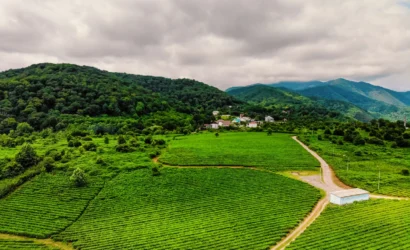
Tea garden walks in Munnar, Darjeeling or Assam
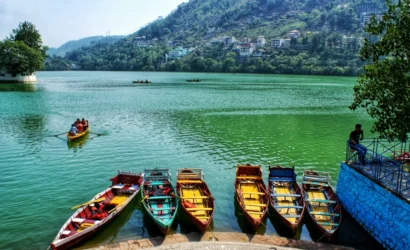
Boating in Nainital, Bhimtal, Ooty lakes
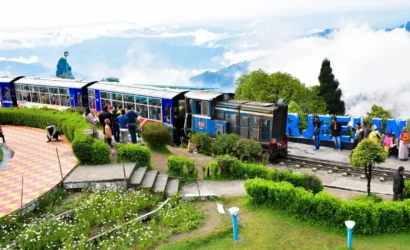
Toy train rides (Darjeeling, Kalka–Shimla, Ooty)
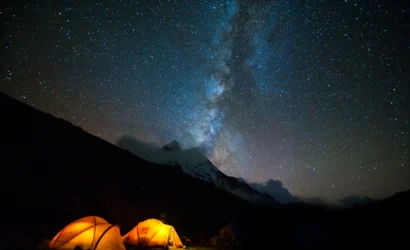
Camping & stargazing in Himachal or Uttarakhand
Short hikes and sunrise viewpoints
Approximate costs
Budget hotels/homestays: ₹1,500–₹3,000 per night for a double room
Mid-range stays: ₹3,000–₹6,000 per night
Activities like boating, toy trains, basic hikes: ₹200–₹800 per person
Beaches & Backwaters
If your idea of a holiday is swimming, seafood and sunsets, Indian beaches and backwaters work wonderfully.
Major beach & water experiences
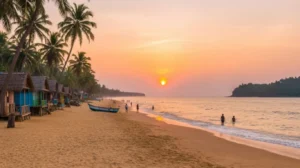
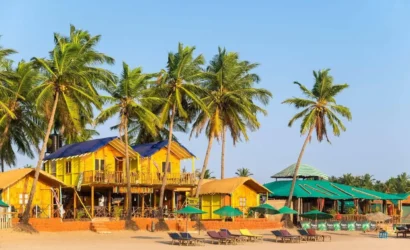
Beach stays and shacks in Goa, Gokarna, Varkala
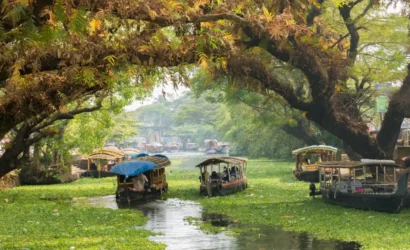
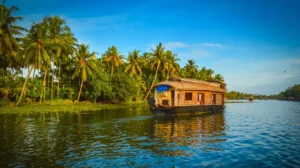
Backwater houseboats in Kerala

Scuba diving and snorkelling in Andamans or Lakshadweep
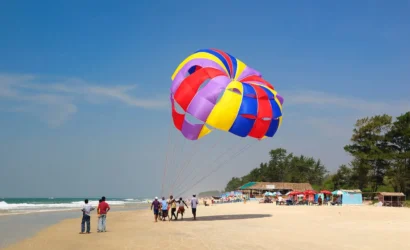
Kayaking, banana boat rides, parasailing in coastal hubs
Typical costs
Beach homestay/guesthouse: ₹1,500–₹3,500 per night
Resort with pool: ₹4,000–₹8,000+ per night
Scuba discover dive: ₹3,500–₹6,000 per person
Houseboat (Kerala) private 1-bedroom: ₹7,000–₹12,000 per night with meals
Heritage, Culture & Spiritual Trips
India is full of forts, temples, palaces and old cities that are perfect for slow, cultural holidays or trips with parents.
Examples of cultural experiences
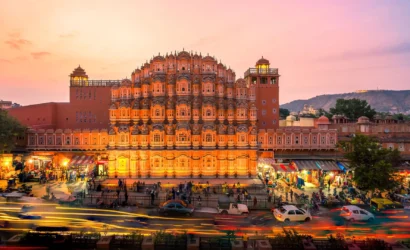
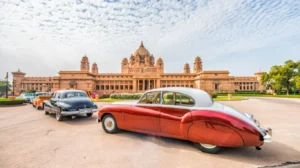
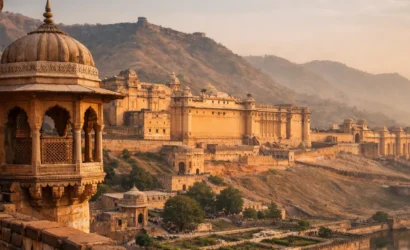
Forts and palaces in Rajasthan (Jaipur, Udaipur, Jodhpur, Jaisalmer)
Spiritual towns like Varanasi, Rishikesh, Haridwar, Tirupati, Shirdi
Colonial quarters in cities like Pondicherry, Kochi, Kolkata
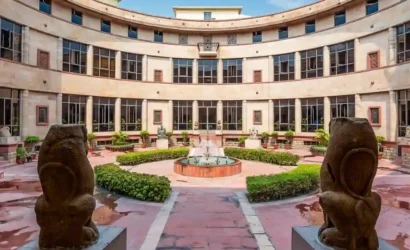
Museums, food walks and bazaars in Delhi, Lucknow, Hyderabad
Entry tickets and guided tours are usually quite affordable – typically ₹30–₹250 for monuments, ₹500–₹1,500 for private guide services in many cities.
Adventure & Wildlife
For younger travellers and active families, India’s national parks and adventure hubs are big attractions.
Popular options
River rafting and bungee in Rishikesh

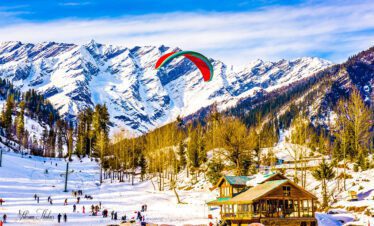
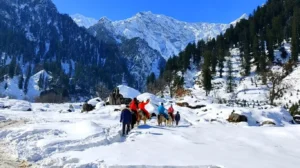
Skiing and snow activities in Gulmarg, Auli, Manali (winter)
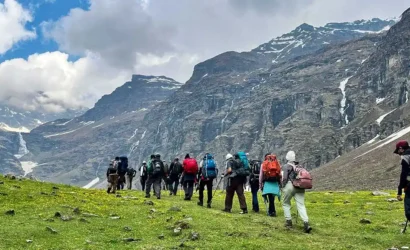
Trekking in Himachal, Uttarakhand, Sikkim
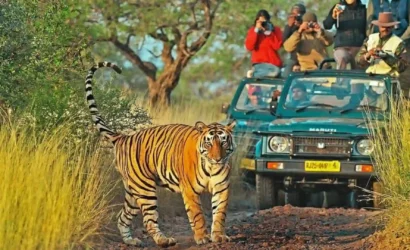
Wildlife safaris in Jim Corbett, Ranthambore, Gir, Kaziranga, Bandhavgarh
Approximate activity costs
Shared jeep safari: ₹1,500–₹3,500 per person per safari
Rafting: ₹800–₹2,000 per person depending on distance
Beginner treks (2–4 days): ₹4,000–₹9,000 per person including camping
Food, Shopping & City Experiences
Even a 2–3-day break in a big city can feel like a mini-holiday if you mix cafes, street food, museums and local markets.
Think of:
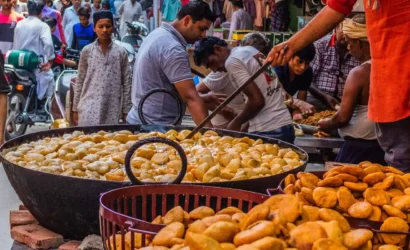
Food tours in Delhi, Lucknow, Hyderabad, Kolkata
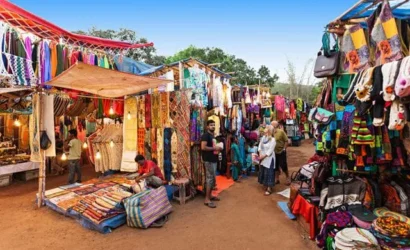
Shopping in Jaipur, Delhi, Mumbai, Ahmedabad
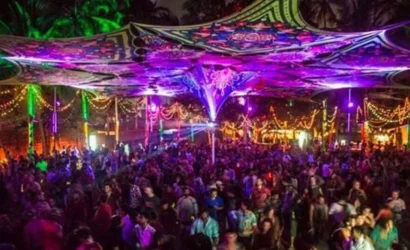
Nightlife and live music in Bangalore, Mumbai, Goa

Theme parks (Imagica, Wonderla, Ramoji Film City)
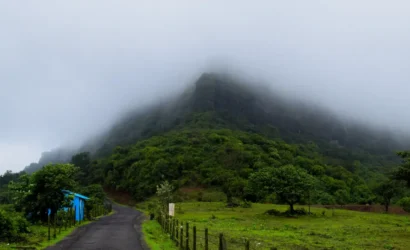
In short: Mix two or three experience types in one itinerary (for example, hill station + temple town + city food tour) so everyone in the group finds something they love.
How to Plan Your India Trip Step by Step
Many Indian families feel overwhelmed while planning – too many places, leave limits, kids’ exams, and EMIs running in the background. Use this simple step-by-step approach.
Step-by-step planning flow for India Tourism Guide
Start with your constraints (time, budget, weather), then choose the destination – not the other way around.
Fix your travel window
Check school calendar, office workload and festivals. Shortlist 2–3 possible date ranges.Decide trip length
Weekend: 2–3 nights
Short holiday: 4–6 nights
Annual big break: 7–10 nights
Set a rough budget per person
Include stay, food, local travel and activities. Keep flight/train separate for clarity.Choose region based on weather & connectivity
Example: From Mumbai, Goa and Karnataka coast are easier than North-East for a 4-day break.Pick 1–3 main bases, not 6–7 cities
Too many hotel shifts increase cost and fatigue. For a 6-night holiday, 2 bases is usually enough (e.g., Munnar + Alleppey).Rough day-wise plan
Note major sights/activities per day, but leave some buffer time for rest and weather changes.Lock flights / long-distance trains first
For popular routes, fares shoot up. Once dates are fixed, book these even if hotels are not finalised.Book stay as per comfort level
Budget hotels / homestays for value
Mid-range resorts for family comfort
1–2 “treat” nights in a nicer property if budget allows
Plan local transport
Decide between self-drive, cab with driver, local buses, or a mix. For hill roads and unknown cities, driver-based cabs are usually safer and less stressful.Add key experiences & permits
Safaris, scuba, houseboats and some treks require pre-booking, especially in peak season.Finalise payments & EMI / part-payment
Many travellers prefer staggered payments – small advance + post-dated EMIs. Make sure refund and reschedule policies are clear.Keep documents & emergency backup
Carry Aadhaar, basic medical documents, and keep some cash for remote areas with patchy UPI.
In short: Don’t start with “where should I go?” Start with “when, how many days and what’s my budget?” – the destination will become obvious.
Popular Experiences & Seasonal Trips in India
Most Indian travellers don’t start with a destination – they start with a purpose: honeymoon, family vacation, monsoon break, winter snow, wildlife or long weekend. Thinking in terms of “experience type” makes planning easier and helps you quickly shortlist zones and states.
Below are the most popular India trip types for Indian travellers, with best seasons, ideal zones, rough budgets and sample itineraries you can adapt.
Average India Trip Cost for Indian Travellers
Costs vary by season, city of departure and comfort level, but you can use these benchmarks to plan.
Typical cost components
Before the table, remember that total cost = transport + stay + food + sightseeing + shopping.
Transport: flights, trains, buses, cabs, self-drive fuel & tolls
Stay: hotel/homestay/resort cost per night
Food: restaurant meals, snacks, occasional room service
Activities: entry tickets, safaris, water sports, guides
Extras: shopping, tips, emergency costs
Sample budget table (per person, ex-major metro)
| Trip Type & Duration | Budget Range (Per Person) | Notes |
|---|---|---|
| 3-day nearby hill station by train/bus | ₹8,000–₹15,000 | Budget to mid-range stay |
| 4-day Goa / Kerala by flight | ₹20,000–₹40,000 | Flight + comfortable stay |
| 6-day Himachal / Uttarakhand hills | ₹25,000–₹45,000 | Includes cab sharing/private cab |
| 7-day Rajasthan heritage circuit | ₹30,000–₹55,000 | One or two palace-style stays add cost |
| 6-day Sikkim / Meghalaya | ₹28,000–₹50,000 | Higher cab costs in hills |
| 6-day Andamans (Port Blair + Havelock) | ₹45,000–₹75,000 | Diving & island transport add up |
For a family of 3–4, keeping the total holiday budget under ₹1 lakh is realistic for most non-island Indian trips, especially if you:
Travel slightly off-season (but not during extreme weather)
Choose 3-star stays with good reviews instead of premium resorts
Use trains or early-bird flight deals
Pre-book activities instead of last-minute on-ground rates
In short: Decide your comfort level first (budget, standard, premium) and then adjust destination and trip length to fit within your total family budget.
Recommended India Tour Packages
Transport, Stay & Safety Tips for Travelling in India
Good logistics make the difference between a tiring holiday and a smooth one. Here are practical tips focused on Indian families and groups.
Choosing Flights, Trains or Road Trips
Every mode has its pros and cons. Pick based on distance, budget and comfort.
Flights:
Best when distance is over 700–800 km or when you have limited leave. Book 30–60 days in advance for better fares.Trains:
More budget-friendly and comfortable than overnight buses, especially with seniors or kids. Tatkal is a backup, not a planning tool.Road trips / self-drive:
Good for Western Ghats and short-distance circuits near your city. Avoid night driving in hilly areas and unknown rural stretches.
For many families, a mix works well – flight one way, train or bus the other, depending on timings and deals.
Choosing the Right Stay Type
You don’t need 5-star hotels to have a good trip. What you really need is cleanliness, safety and decent location.
Stay options
Budget hotels / guesthouses – cheapest, but check reviews for cleanliness and safety.
Homestays – great local experience, often include home-cooked meals.
3–4-star hotels – more amenities, better for family comfort.
Resorts – good for “do-nothing” holidays where the property itself is the experience.
Always:
Check reviews specifically from Indian families and solo female travellers.
Look for photos of bathrooms and surroundings.
Check distance from main market or key sightseeing points.
Food & Health Tips
Indian travellers can enjoy local food almost everywhere, but a few simple habits keep stomach issues away.
Eat street food where there is high turnover and lots of locals.
Avoid very heavy or spicy meals before long road journeys.
Carry basic medicines for acidity, motion sickness, cold, fever and loose motions.
Keep a refillable water bottle; buy sealed water in areas where tap water isn’t safe.
Safety & Documentation
India is generally safe for tourists, but basic precautions are sensible.
Share your itinerary and hotel details with a family member.
Use government-approved or well-reviewed tour operators for activities like rafting, safaris, diving, etc.
Keep digital copies of Aadhaar and other IDs on your phone/email.
For solo and female travellers, avoid deserted areas late night and use trusted cab services.
In short: A bit of common-sense planning around transport, stay and food often matters more than adding one more city to your itinerary.
FAQs about India Tourism for Indian Travellers
Yes, in most cases domestic trips in India are cheaper than international holidays with similar comfort levels.
For an Indian family, a domestic 5–7-day trip usually avoids big expenses like visas, foreign exchange and long-haul flights.
Flights or trains within India are usually lower than international fares.
You can control food budgets easily by mixing restaurants and simple meals.
Many good 3-star hotels and homestays cost ₹2,500–₹4,000 per night, which is much less than similar stays abroad.
Only high-end island or luxury resort trips in India may reach international price levels.
A typical 5-day domestic trip from a metro city costs around ₹20,000–₹45,000 per person, depending on destination and comfort level.
For example:
Nearby hill stations by train/bus: ₹15,000–₹25,000 per person
Goa / Kerala with flights and mid-range hotels: ₹25,000–₹45,000 per person
Premium destinations like Andamans: ₹40,000+ per person
You can reduce cost by travelling in shoulder season, booking flights early, sharing cabs and choosing homestays instead of resorts.
The best time for most Indian tourism circuits is October to March, but hill stations are better from April to June.
In more detail:
October–March: Comfortable weather for Rajasthan, Gujarat, North & Central Indian cities, Goa, Kerala and most cultural trips.
April–June: Ideal for mountain regions like Himachal, Uttarakhand, Sikkim and parts of North-East India.
June–September: Monsoon lovers can choose Kerala and the Western Ghats; prices may be lower but rain is heavy.
Always check local climate before booking because the same month can be perfect in one region and extreme in another.
Kerala, Himachal, Uttarakhand, Rajasthan, Goa and selected North-East circuits are among the best family-friendly destinations in India.
Family-oriented trips usually include:
Easy-to-reach hill stations like Manali, Shimla, Nainital, Munnar, Ooty
Beach destinations like Goa and Kovalam with safe, family-friendly resorts
Heritage cities like Jaipur, Udaipur, Mysuru, Kochi
Nature-rich areas like Meghalaya or Sikkim with short walks and scenic drives
Choose based on your family’s age mix, weather preference and comfort with long journeys.
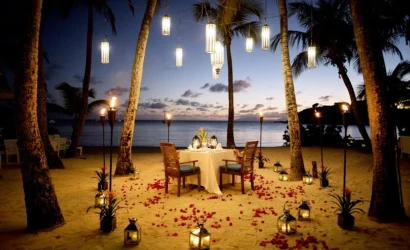
Popular honeymoon choices within India include Kerala, Goa, Andamans, Kashmir, Manali, Sikkim, Coorg and Udaipur.
Couples usually look for privacy, good views and a mix of relaxation with light sightseeing.
Beach + relaxed vibe: Goa, Andamans, Varkala, Gokarna
Hills + greenery: Munnar, Coorg, Manali, Sikkim, Kashmir
Heritage + luxury: Udaipur, Jaipur with palace-style stays
Plan at least 5–7 days so you’re not rushing, and allocate a bit more for stays since that’s where you’ll spend most time.
India can be safe for solo and female travellers with sensible precautions, especially in popular tourist areas and well-reviewed accommodations.
Recommended practices:
Choose centrally located hotels with strong reviews from solo and female guests.
Use trusted cab services or pre-booked transfers, especially after dark.
Dress as you’re comfortable but stay mindful of local culture in rural or religious areas.
Avoid isolated spots late at night and always share your live location with someone you trust.
Many women travel solo across India every year – preparation and awareness matter more than fear.
For peak seasons and popular routes, booking 30–60 days in advance is ideal for getting good flight and hotel rates.
As a simple rule:
Peak school holidays (April–June, Christmas–New Year): book 60–90 days ahead.
Normal season: 30–45 days is usually fine.
Off-season / monsoon: you can often book 15–30 days before travel, but still pre-book flights and key stays.
Early planning also means you get better train availability, safari slots, houseboats and special activity slots.
If you enjoy planning, DIY works well; but for multi-city trips and large families, a good tour operator saves time, stress and often money.
Consider DIY when:
Trip is short and to a single destination.
You’re comfortable booking flights, trains, hotels and cabs online.
You don’t mind handling changes yourself.
Consider a tour operator when:
You have 3+ destinations and multiple internal transfers.
You’re travelling with kids, elders or a large group.
You want EMI/part-payment options, pre-negotiated rates and single-point support during the trip.
Yes, a 5–7-day domestic holiday for a family of four can usually be kept under ₹1 lakh with smart planning.
Practical tips:
Choose destinations with good train or low-cost airline connectivity from your city.
Travel just before or after peak season for better hotel rates.
Pick clean, mid-range hotels or homestays instead of luxury resorts.
Keep shopping budgets realistic and focus more on experiences.
Only high-end island or luxury spa trips may cross this budget even with careful planning.
Pack light, layered clothing based on region and season, along with basic medicines, documents and a small day bag.
Key essentials:
Weather-appropriate clothes (layers for hills, cottons for plains, rain jacket for monsoon).
Comfortable walking shoes and slippers.
Basic medicines, personal toiletries and any regular prescriptions.
Power bank, chargers, and a small lock for bags.
Aadhaar and other IDs in both physical and digital form.
You can buy almost everything in Indian cities, so there’s no need to overpack – especially if you’ll move between multiple destinations.
Our Featured Blogs for India
Taj Mahal Visitor Guide: What to Know Before You Go
This Taj Mahal visitor guide gives you everything you need...
Tiger Safari India: Which Reserve, When to Go, and How to Actually See a Tiger
The best experience of tiger safari India is usually in...
Rajasthan Travel Guide: The Complete Handbook for India’s Royal Desert State
A Rajasthan travel guide typically includes Jaipur, Udaipur, Jodhpur, and...
Kerala Backwaters: What a Houseboat Night Is Actually Like
A Kerala backwaters houseboat experience typically includes cruising through palm-lined...
India Itinerary 15 Days: A Complete 2-Week Trip Plan for First-Time Visitors
A India Itinerary 15 Days is enough for first-time visitors...
Best Time to Visit India: Month-by-Month Guide for Every Region 2026
India doesn’t have just one “best time.” It has many....
International Trips Cost from India Under ₹1 Lakh – 2026 Mega Budget Guide
International trips cost from India under ₹1 lakh in 2026...
Thailand Trip Cost from India 2026: Budget, Mid-Range & Luxury Breakdown
A 5–7 day Thailand trip from India under ₹1 lakh...
Vietnam Trip Cost from India Under ₹1 Lakh (2026 Full Budget & Itinerary Guide)
A 6 to 8 day Vietnam trip from India in...
Bali Honeymoon Trip Cost from India Under ₹1 Lakh
If you’re dreaming of sunsets, private pool villas and rice...
Sri Lanka Trip Cost from India Under ₹1 Lakh (2026 Full Guide)
Planning your next international trip and wondering,“Sri Lanka trip cost...
Nepal Trip Cost from India Under ₹1 Lakh (2026 Full Guide)
A 6 to 7 day Nepal trip from India under...