
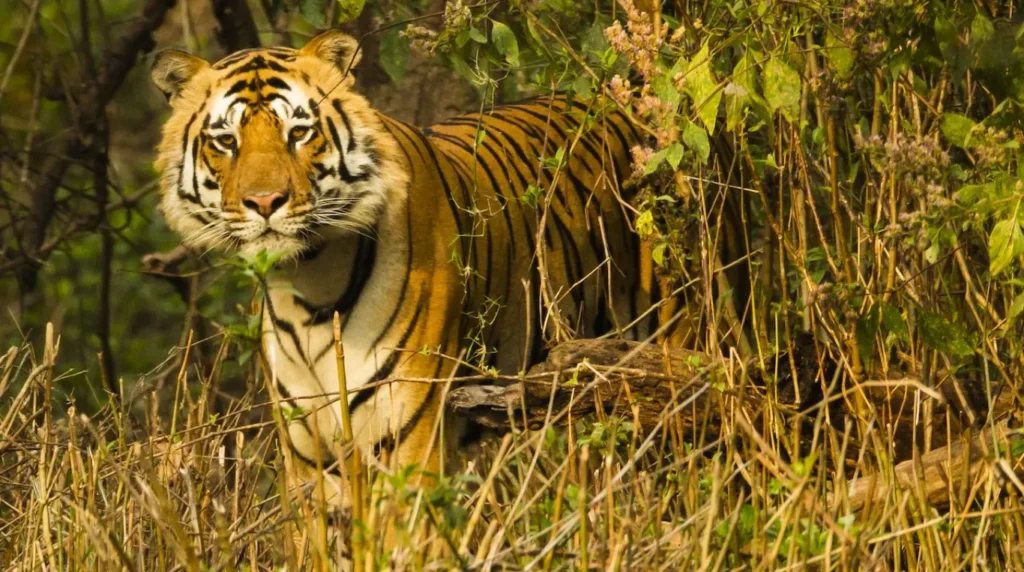
The best India wildlife safari circuit covers Ranthambore, Kanha, and Bandhavgarh over 10 days. This route offers some of the highest chances in the world of seeing wild tigers.
Best Time to Visit
- For the Best Sightings: April and May are the peak months. As water sources dry up, tigers move to the remaining water holes, making them much easier to spot.
- For the Best Weather: October to March offers cool, dry, and comfortable weather, though the forest is thicker, making tigers a bit more elusive.
Three Reserves. Ten Days. Twelve Safaris.
This is the India wildlife trip that serious safari travelers dream about. It covers three Central Indian reserves that consistently produce the best tiger encounters:
- Ranthambore (Rajasthan): Famous for its ancient fort ruins and dry, deciduous forests.
- Kanha (Madhya Pradesh): Known for its vast “Sal” forests and being the inspiration for The Jungle Book.
- Bandhavgarh (Madhya Pradesh): Famous for having one of the highest densities of tigers in India.
Why This Itinerary Works
Each park offers a different landscape, a unique ecosystem, and a totally different adventure. If you are coming to India specifically to see wild tigers, not just hoping for a lucky glimpse during a city tour, but giving yourself a real, well-planned shot, this is the itinerary for you.
The 10-Day Circuit: India wildlife Safari
| Day | Location | Main Experience | Night |
| 1 | Arrive Delhi | Fly in, transfer to hotel, rest | Delhi |
| 2 | Delhi → Ranthambore | Drive or train 4.5 hours, settle in, evening briefing | Ranthambore |
| 3 | Ranthambore | Morning safari in Zone 3 or 4 (6am), afternoon safari | Ranthambore |
| 4 | Ranthambore → Kanha | Morning safari, fly Jaipur–Nagpur, drive 3hrs to Kanha | Kanha |
| 5 | Kanha | Morning Kanha meadow safari, afternoon Kisli zone safari | Kanha |
| 6 | Kanha | Early morning safari, afternoon free at the lodge | Kanha |
| 7 | Kanha → Bandhavgarh | Drive 3 hours, afternoon fort viewpoint walk | Bandhavgarh |
| 8 | Bandhavgarh | Morning Tala zone safari (6am), afternoon safari | Bandhavgarh |
| 9 | Bandhavgarh → Jabalpur | Final morning safari, afternoon drive 3hrs to Jabalpur | Jabalpur |
| 10 | Fly home | Morning flight Jabalpur → Delhi, connect home | Flight |
Why This Order Works: The Safari Strategy
The order of these reserves is chosen very carefully to give you the best experience possible.
Ranthambore: The Perfect Introduction
We start at Ranthambore because it is the easiest to reach from Delhi and serves as a fantastic introduction to the world of tigers.
- Tigers and People: After decades of living alongside safari vehicles, the tigers here are very calm. They don’t hide when they see a jeep; they simply continue their day.
- Great for Photos: Because the forest is thinner and the tigers are relaxed, sightings here are often close-up and last a long time—perfect for getting that “once-in-a-lifetime” photo.
Kanha: Learning to Read the Forest
We head to Kanha next because this is where the adventure gets deeper. You move from just “seeing” to “tracking.”
- Expert Guides: The guides in Kanha are legendary. Many have 15 to 25 years of experience. They don’t just drive around hoping for luck; they “read” the forest.
- The Detectives: They listen for “alarm calls” from spotted deer and track fresh “pugmarks” (tiger footprints) in the dust. They can often predict exactly where a tiger will appear before it even shows up!
- Natural Beauty: Even if you don’t see a tiger, Kanha is one of the most beautiful places in India, with tall trees and wide-open meadows.
Bandhavgarh: The Grand Finale
Bandhavgarh is the final stop because it has one of the highest tiger densities in the world.
Maximum Chances: Because there are so many tigers in a smaller area, this park gives you the highest probability of a sighting. It’s the perfect way to end your 10-day journey on a high note.
The Culmination: By the time you reach Bandhavgarh, you are a “safari expert.” You’ll know how to listen for the forest’s warning signs and how to spot a tiger hiding in the grass.
Ranthambore – Where the Lake Meets the Fort
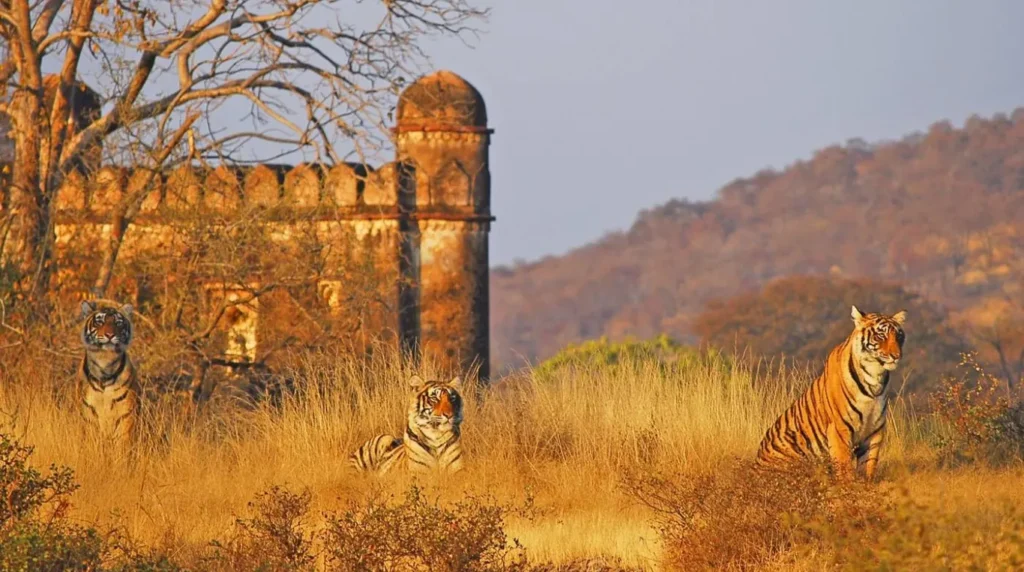
Ranthambore Tiger Reserve in Rajasthan is India’s most famous wildlife park, and it has definitely earned its reputation.
Why It’s Unique
What makes this park special is the 10th-century Ranthambore Fort that stands right in the middle of the forest.
- Tigers and Ruins: This is the only place in the world where you can see wild tigers resting near ancient ruins or walking past a UNESCO-listed medieval fort. It feels like something out of The Jungle Book.
- The Lake Life: The park has three beautiful lakes: Padam Talao, Malik Talao, and Rajbagh. In April and May, when it gets hot, tigers love to lie in the shallow water to cool off. These “lake sightings” provide the best photos in India.
How to Visit
The park is divided into 10 safari zones.
- The Best Zones: Zones 3 and 4 cover the main lakes and offer the highest chance of seeing a tiger.
- Booking Tip: You must book these zones at rajasthan.wildlife.in as soon as the 90-day booking window opens. In the peak months of April and May, tickets can sell out in less than an hour!
- How Long to Stay: We recommend two nights. This gives you four safaris (two in the morning and two in the afternoon), which is plenty of time to explore the park and have a great chance of seeing a tiger.
Where to Stay
The Mid-Range Choice: RTDC Castle Jhoomar Baori (Around ₹5,000). A comfortable and affordable option located on a hilltop with great views.
The Classic Choice: Taj Sawai Madhopur Lodge (Starting at ₹12,000). This is a historic lodge just 2 kilometers from the park gate.
Kanha – The Jungle Book Forest
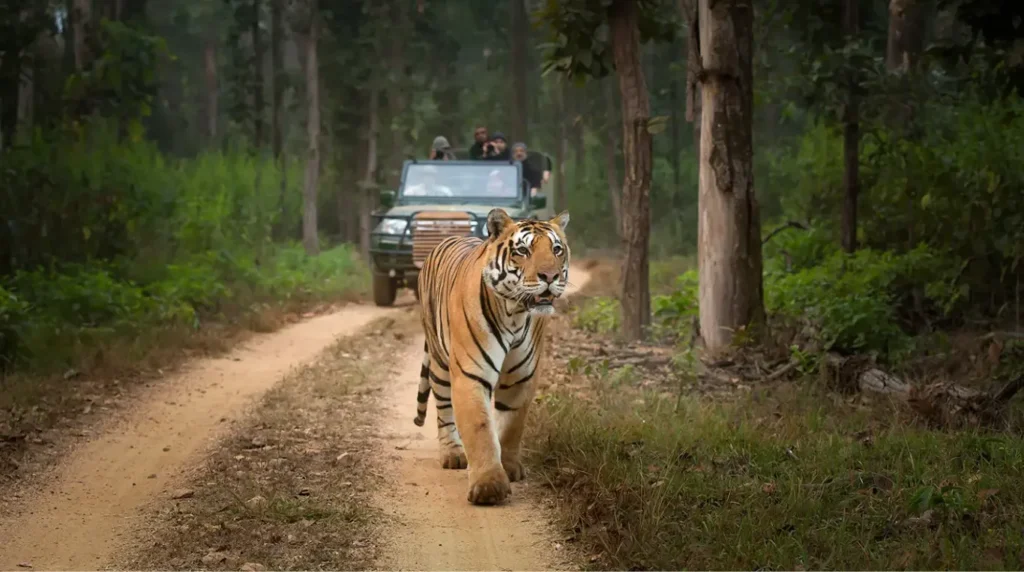
Rudyard Kipling set The Jungle Book in forests exactly like these. When you stand in the Kanha meadow at dawn, you’ll see why it’s so famous.
Why Kanha is Special
Kanha is known for three main things:
- The Best Guides: Many guides here have worked in this forest for over 20 years. They don’t just drive; they “read” the forest. They know every tiger’s territory and every secret waterhole.
- The Rare Barasingha: This is the famous Swamp Deer. It was almost extinct, but thanks to Kanha’s protection, you can now see large herds grazing in the meadows every morning.
- Incredible Views: At 6:00 AM, the Kanha meadow is filled with golden light and surrounded by tall Sal trees. Even if you don’t see a tiger, this is one of the most beautiful places in nature you will ever visit.
How to Visit
- How Long to Stay: Plan for three nights. This gives you enough time to really sink into the forest rhythm.
- The Best Zones: The Kanha Zone and the Kisli Zone are the most popular and provide the best chances for tiger sightings.
- Booking: Use the Madhya Pradesh Forest Department website: forest.mponline.gov.in.
Where to Stay
The Mid-Range Choice: Singinawa Jungle Lodge (₹8,000 to ₹12,000). A beautiful lodge that offers a great mix of comfort and authentic jungle vibes.
The Luxury Experience: Banjaar Tola by Taj Safaris (from ₹28,000 all-inclusive). These are two incredible tented camps on the riverbank. They include world-class “naturalist” guides who will teach you everything about the jungle.
Bandhavgarh – India’s Densest Tiger Reserve
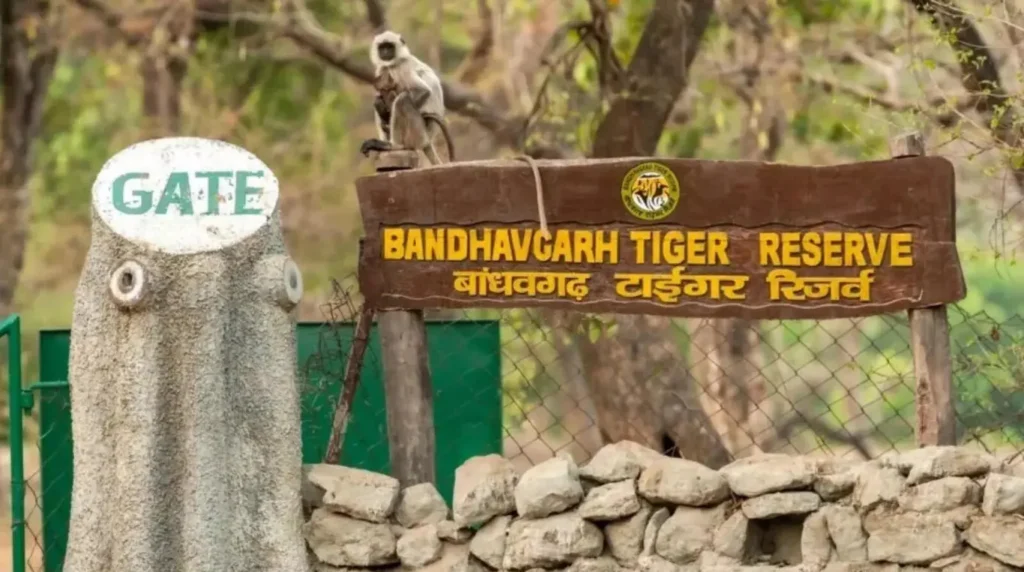
If you want the best possible chance to see a tiger, Bandhavgarh is the place to be. It has one of the highest densities of tigers in the world, and the numbers prove it!
Why the Odds are in Your Favor
- Tiger Density: With roughly one tiger for every 9 square kilometers in the core area, you are never far from a big cat.
- The 90% Rule: In the peak months of April and May, experienced guides in the Tala Zone report seeing tigers on 90% or more of their morning safaris. That is a success rate you won’t find almost anywhere else.
- The Famous Clearing: The Chakradhara Meadow inside the Tala Zone is legendary. It’s a large open space where tigers are often seen walking in full view for a long time—not just hiding in the bushes!
Seeing Through the Forest
- October to March: The forest is thick, lush, and green. It’s beautiful, but the tigers can be harder to spot behind the leaves.
- April and May: The trees drop their leaves because of the heat. This “clears” the view, making it much easier to see deep into the forest and spot a tiger moving through the trees.
The Final Step of Your Journey
By the time you reach Bandhavgarh, you’ve already visited Ranthambore and Kanha. You are now a safari pro! You know what a deer’s “alarm call” sounds like and how to spot a fresh “pugmark” (footprint). All that practice pays off here, where the high number of tigers makes your chances of a great sighting better than ever.
How to Visit
- How Long to Stay: Plan for two to three nights.
- The Top Zone: Always try to book the Tala Zone first for the best experience.
- Booking: Use the same portal: forest.mponline.gov.in. Remember, the 90-day booking window is very important!
Where to Stay
The Best Mid-Range: Kings Lodge or Samode Safari Lodge (₹10,000 to ₹16,000). Both offer fantastic service and expert guides who know the park perfectly.
The Ultimate Luxury: Mahua Kothi by Taj Safaris (from ₹30,000 all-inclusive). This is the gold standard for safari lodges in India.
When to Go: The Heat vs. The Habit
Choosing when to visit is the biggest decision you’ll make. Do you prioritize the best tiger sightings or the most comfortable weather?
The “Tiger Window”: April and May
If your main goal is to see a tiger, April and May are the best months.
- Why it Works: This is the peak of the dry season. As smaller waterholes dry up, tigers are forced to visit the few remaining lakes and rivers to drink and cool down. This makes their movements much more predictable.
- The Photography: This is when you get those famous photos of tigers sitting in the water or walking across wide-open dry ground.
- The Trade-off: It is very hot. Temperatures can reach 38°C to 44°C (100°F–111°F).
- The Daily Rhythm: To beat the heat, safaris start as early as 5:30 AM or 6:00 AM. You’ll spend about four hours in the forest and be back at your air-conditioned lodge by 10:00 AM for a late breakfast and a nap. You only head back out for the evening safari once the sun starts to dip.
The “Comfort Window”: October to March
If you want a more relaxed trip with beautiful scenery, visit during the winter months.
- The Atmosphere: The weather is lovely—cool mornings and pleasant, sunny days. The forest is thick, green, and lush after the monsoon rains.
- The Sighting Odds: Sighting rates are still very high, especially in the rocky areas of Bandhavgarh and the lakes of Ranthambore.
- The Benefit: This is the best time for travelers who want to enjoy the wildlife without dealing with the extreme summer sun.
The Monsoon Closure (July to mid-October)
Note: In Ranthambore, Zones 6–10 often stay open during the monsoon, but the best tiger zones (1–5) will be closed.
Park Closures: All three reserves close their main “Core Zones” from July 1 to mid-October.
The Reason: The forest needs time to recover during the heavy monsoon rains. The dirt tracks inside the parks often flood and become impossible to drive on. More importantly, this is the breeding season for many animals, and they need peace and quiet without human interference.
Also Read: Tiger Safari India: Which Reserve, When to Go, and How to Actually See a Tiger
How to Book Your Safari Slots
Booking your safari is the most time-sensitive part of your trip. The process is different in every state, and you have to be quick!
1. Ranthambore (Rajasthan)
- Where to Book: rajasthan.wildlife.in
- The Window: The booking window opens 90 days in advance at exactly midnight.
- The Urgency: For the popular months of April and May, the best areas (Zones 3 and 4) often sell out within 60 minutes of opening. Set a phone alarm so you don’t miss out!
2. Kanha and Bandhavgarh (Madhya Pradesh)
- Where to Book: forest.mponline.gov.in
- The Window: In 2026, the booking window for these parks opens 120 days in advance at 11:00 AM.
- The Priority: Your top choices should be the Kanha Zone (in Kanha) and the Tala Zone (in Bandhavgarh). Like Ranthambore, these peak dates disappear quickly, so plan early!
3. Lodge Bookings
While you’re focused on the tigers, don’t forget where you’ll sleep!
- Top-Tier Lodges: Famous places like Banjaar Tola and Mahua Kothi often book out four to six months in advance for the peak spring season.
- Mid-Range Lodges: You should aim to book these at least two to three months ahead of time.
The Simplest Way: Book with WishToGo
The easiest way to handle all this stress is to let us do it for you. At WishToGo, we have direct relationships with park-certified operators.
Stress-Free: We handle all your lodge bookings, park permits, and local transport in one go, so you can just focus on finding that tiger!
Better Access: We can often secure spots in the best zones even when the public website looks full.
Frequently Asked Questions: India wildlife Safari
What are my chances of seeing a tiger?
If you go on 8 to 12 safaris across these three reserves in the right season (April/May), your chances are very high. In the peak months, guides often see tigers on 80% to 95% of their morning trips.
- The Reality: Wildlife is unpredictable. No one can guarantee a sighting because these are wild animals in their natural home. However, this itinerary puts you in the best possible place at the best possible time.
- More than just Tigers: Even if the tiger is hiding, the forest is full of life! You’ll see huge herds of spotted deer, Indian bison (the largest in the world!), sloth bears, and hundreds of colorful birds.
What is a “Gypsy,” and why is it better than a “Canter”?
- The Gypsy: This is an open, six-seater jeep. It is quiet, fast, and can squeeze into tight spots to get you within 10 meters of a tiger. It is the gold standard for photography.
- The Canter: This is a large open bus that carries about 20 people. It’s cheaper, but it’s loud and can’t move as easily.
- The Advice: Always choose the Gypsy. They sell out fast, so if the public website is full, WishToGo can often help you find a spot through our private connections.
How much does this 10-day trip cost?
Prices for the full 10-day circuit (including all meals, safaris, and local transport) generally fall into three categories:
- Mid-Range: ₹1,20,000 to ₹2,00,000 per person. This gets you very comfortable lodges and private Gypsy safaris.
- Luxury: ₹3,50,000 to ₹5,50,000 per person. This includes stays at world-famous Taj Safaris lodges like Banjaar Tola.
- Budget: ₹70,000 to ₹90,000 per person. This involves basic guesthouses and shared Canter safaris.
Is this good for a first-time safari?
Yes! It’s actually the perfect “Starter Kit.” Ranthambore is very welcoming because the tigers are used to people and the landscape is easy to see through. By the time you reach Bandhavgarh on Day 7, you’ll be an expert at spotting animals and understanding the sounds of the jungle.
Can I do this in fewer than 10 days?
You can do a 7-day version by visiting Ranthambore and just one of the Madhya Pradesh parks (either Kanha or Bandhavgarh). However, the 10-day trip is much better because it adds the “Jungle Book” meadows of Kanha, which makes the whole experience feel much more complete.
Plan Your Adventure with WishToGo
From quick 2-night trips to epic 14-day wildlife marathons including leopards in Rajasthan and rhinos in Assam, we handle everything. All our packages include:
- Guaranteed Safari Zones through our expert connections.
- Hand-picked Lodges that we’ve tested ourselves.
- 24-Hour Support while you’re on the road.
Ready to track a tiger? Write to hello@wishtogo.in with your travel dates. We’ll send you a custom itinerary and price quote within 24 hours!