
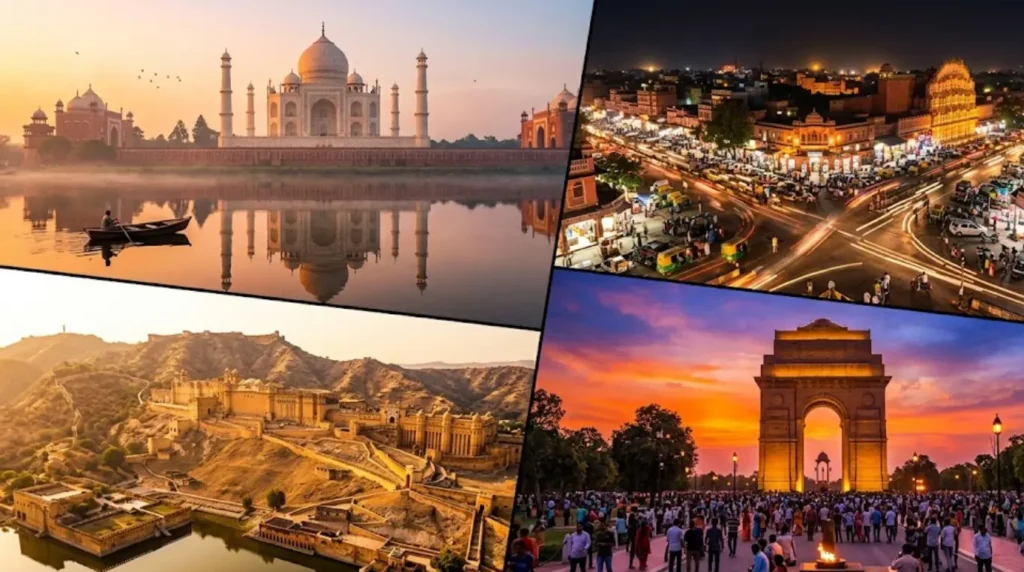
Planning a 7 Days India Itinerary can feel overwhelming at first. India isn’t just one destination, it’s dozens of cultures, climates, cuisines, and experiences packed into one country.
The biggest mistake most travelers make? Trying to do too much.
Seven days in India is not enough to see everything, but it is enough to experience something meaningful, memorable, and beautifully diverse, if you plan it right.
This guide is built like a real journey, not a checklist. You’ll move through North India’s most iconic route—the Golden Triangle, with a slight twist to give you depth, not just speed.
You’ll explore:
- The chaos and charm of Delhi
- The timeless beauty of the Taj Mahal
- The royal history of Jaipur
And more importantly, you’ll understand how to travel smoothly between them, where to slow down, what to skip, and how to avoid common mistakes.
Let’s get into a practical, well-paced 7 Days Itinerary for India that actually works.
Why This 7 Days India Itinerary Works
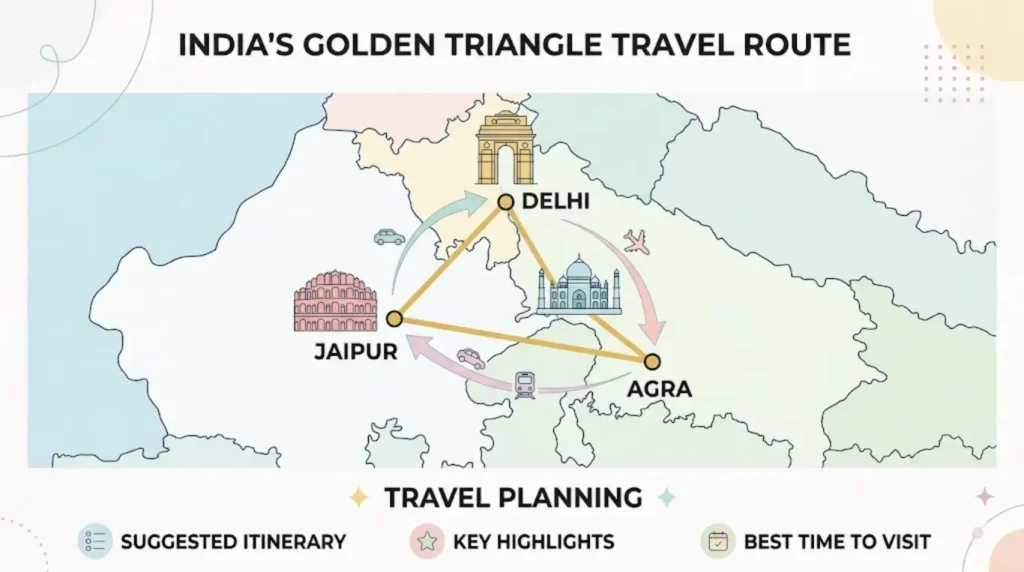
This itinerary focuses on the Golden Triangle (Delhi–Agra–Jaipur), and there’s a reason this route is so popular.
It offers:
- Short travel distances (4–6 hours between cities)
- A mix of history, culture, architecture, and food
- Strong infrastructure for first-time travelers
Travel Distances Snapshot
| Route | Distance | Time |
|---|---|---|
| Delhi → Agra | ~230 km | 3.5–4 hrs (Yamuna Expressway) |
| Agra → Jaipur | ~240 km | 5–6 hrs |
| Jaipur → Delhi | ~280 km | 5–6 hrs |
This route avoids exhausting long journeys and keeps your experience balanced.
Pro Tip: Always start early on travel days. Indian highways are smooth, but city traffic can add delays.
Day 1: Arrival in Delhi – The First Sensory Shock (In a Good Way)
You step out of the airport, and it hits you immediately, the noise, the movement, the sheer density of life.
Don’t fight it. Ease into it.
By the time you reach your hotel (usually 45–90 mins depending on traffic), it’s tempting to “start sightseeing.” Don’t. This is where most travellers burn out early.
Instead, take a shower, lie down for an hour, and reset.
Late Afternoon Plan (4:30 PM onward)
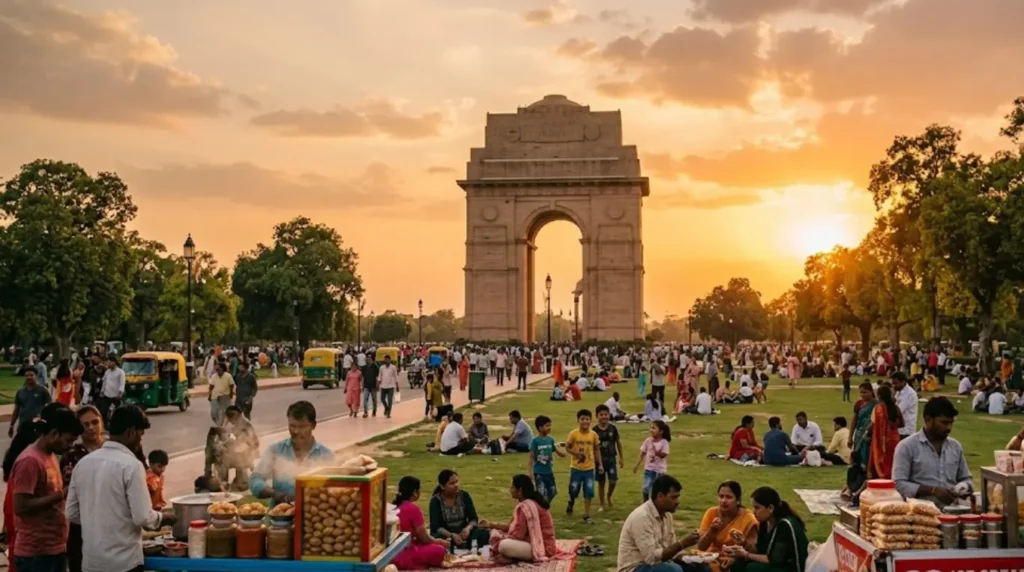
Head to India Gate just before sunset. Families, street vendors, kids playing cricket—it’s your soft introduction to India, not a monument visit.
From here, drive 10 minutes to Connaught Place.
Walk the inner circle slowly. Stop for coffee, then dinner.
- If you want safe comfort → go to a proper restaurant
- If you feel adventurous → try chaat from a busy stall (high turnover = fresher food)
Small decision that matters: Don’t overeat street food on Day 1. Your stomach needs a day to adjust.
Back to hotel by 10 PM. Sleep early.
Day 2: Delhi – Controlled Chaos to Structured Beauty
Start early – leave by 8 AM.
Morning: Old Delhi (Raw, Intense, Real)
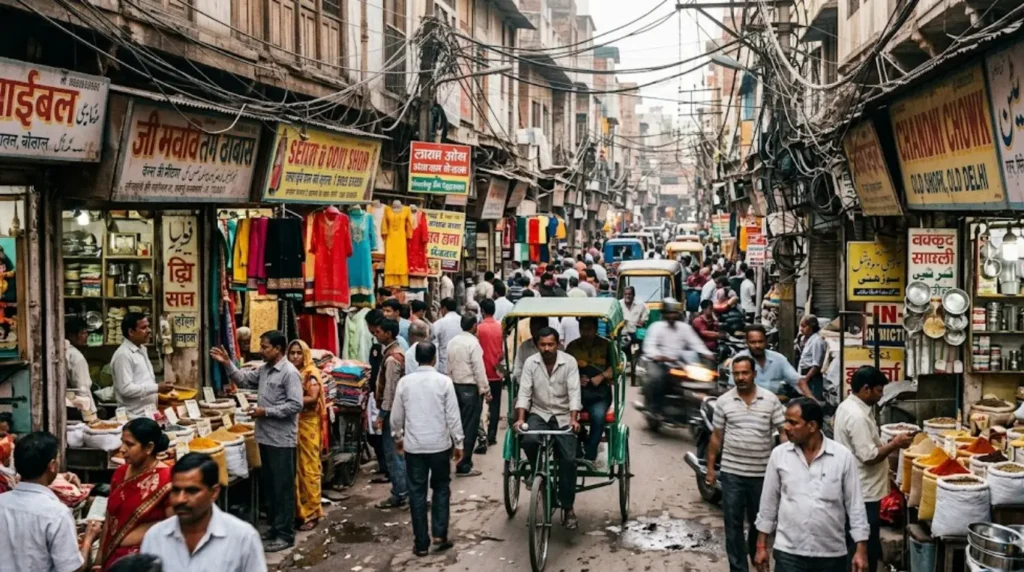
By 9 AM, Chandni Chowk is already buzzing.
You’ll hop into a cycle rickshaw – and this is where India becomes real. Narrow lanes, overhead wires, spice markets, temple bells, mosque calls, all at once.
Stop at Jama Masjid. Climb up halfway and just observe.
What most people miss: This isn’t about monuments, it’s about movement and rhythm.
Midday Reset
By 12:30 PM, you’ll feel drained.
This is your cue to exit Old Delhi. Go for a proper sit-down lunch (air conditioning matters more than cuisine here).
Afternoon: New Delhi (Calm & Balanced)
- Humayun’s Tomb (best between 2–4 PM for softer light)
- Qutub Minar (late afternoon shadows make photos better)
Evening
Skip more monuments.
Instead:
- Café in Khan Market OR
- Early dinner near hotel
Smart choice: Save your energy. Tomorrow starts early.
Day 3: Delhi to Agra – The Shift Begins
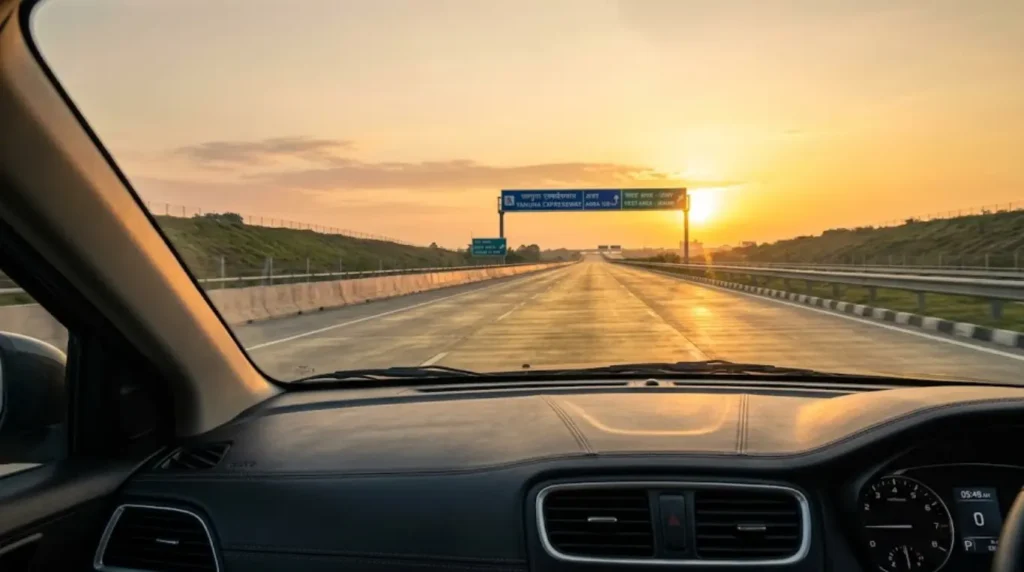
6 AM departure. No compromise.
The Yamuna Expressway is smooth, almost empty early morning. This is one of the few times driving in India feels effortless.
You’ll reach Agra by ~10 AM.
Midday Flow
Check-in → quick refresh → head to Agra Fort.
Walk slowly here. The arches frame the Taj Mahal in the distance, it builds anticipation without showing everything yet.
Evening Decision (Important)
Instead of rushing to the Taj, go to Mehtab Bagh across the river.
You’ll see the Taj in golden light, with fewer crowds, and from a distance that actually lets you appreciate its scale.
Insider move: This builds emotional impact for tomorrow’s sunrise.
Dinner early. Sleep early.
Day 4: Taj Mahal Sunrise – The Moment That Stays
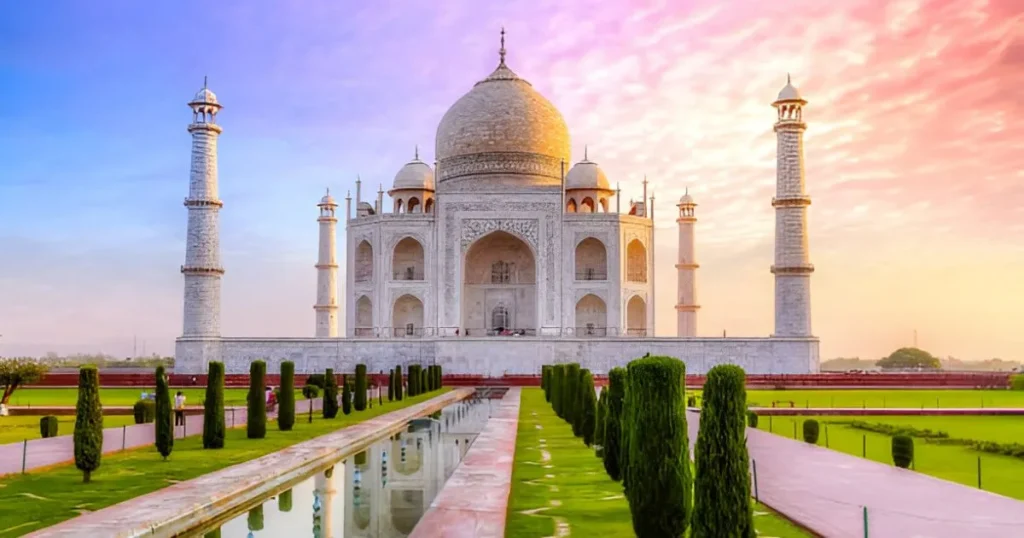
5:30 AM. Slight chill in the air.
You enter just as the sky turns pale blue.
For a few minutes, it’s quiet. No rush. No noise.
This is the Taj Mahal at its best.
Spend time, not just photos. Walk to the side platforms. Sit. Watch how the light changes the marble from grey to pink to white.
Don’t rush out. Most people leave in 45 minutes. Stay longer.
Transition to Jaipur
By 10 AM, you’re on the road.
Stop at Fatehpur Sikri, not for the full tour, but to walk through Buland Darwaza and the courtyard. 60–90 mins is enough.
The road to Jaipur starts feeling different, drier, more open, slightly desert-like.
You reach Jaipur around sunset.
That shift in landscape? That’s Rajasthan beginning.
Day 5: Jaipur – Royal, But Also Surprisingly Slow
Start at 8 AM.
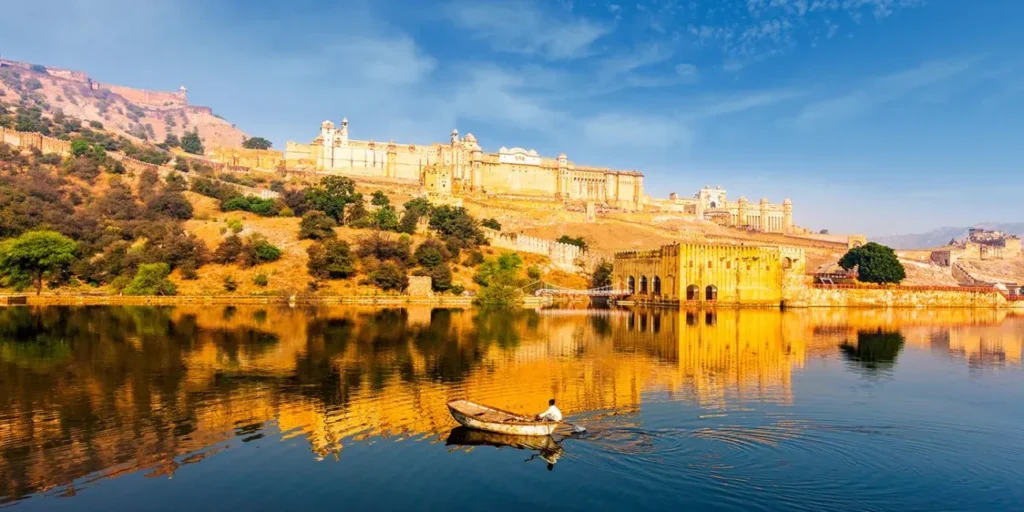
Amber Fort First
Go early. By 10 AM, it gets crowded and hot.
Take a jeep up instead of walking or elephant rides.
Inside, don’t rush through halls, pause at the courtyards and balconies. The views over the hills are underrated.
Midday Break
Come back to city. Lunch + rest.
Jaipur afternoons can drain you quickly.
Late Afternoon
- City Palace (quick but worth it)
- Hawa Mahal (best from outside, across the street)
Skip over-exploring museums unless you’re deeply interested.
Evening
Rooftop dinner overlooking the lit-up city.
This is where Jaipur feels magical, not during the day.
Day 6: Jaipur Slow Morning → Delhi Return
No alarms today.
Wake up naturally.
Choose One:
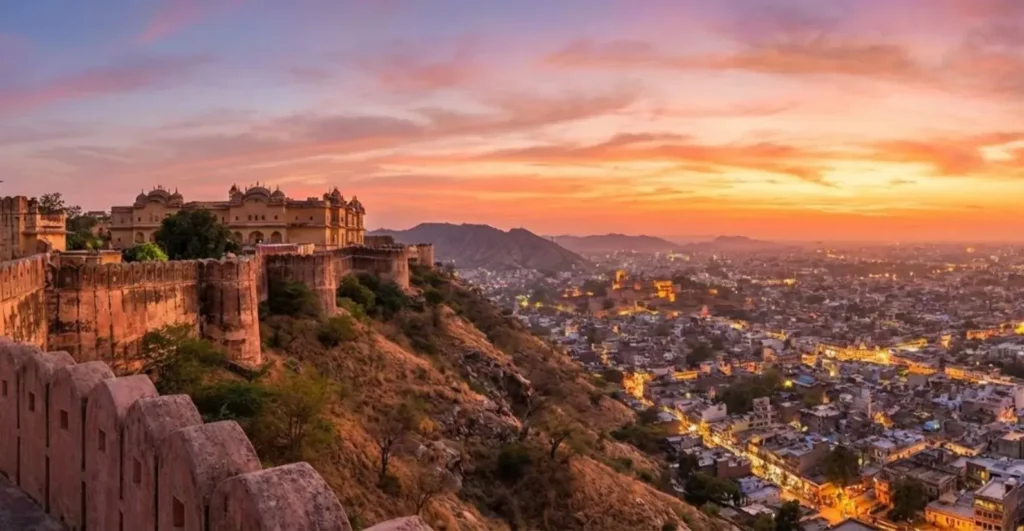
- Nahargarh Fort (quiet, panoramic, peaceful)
- OR café breakfast + local market walk
Don’t try to “cover more.” This day is about slowing down before exit.
Leave Jaipur by 2 PM.
The drive back to Delhi is long but steady.
Reach by 8–9 PM.
Stay near airport.
Day 7: Departure
Simple day.
- Breakfast
- Airport transfer
- Departure
Also Read: India Itinerary 15 Days: A Complete 2-Week Trip Plan for First-Time Visitors
Best Time to Visit (Deep, Practical Breakdown)
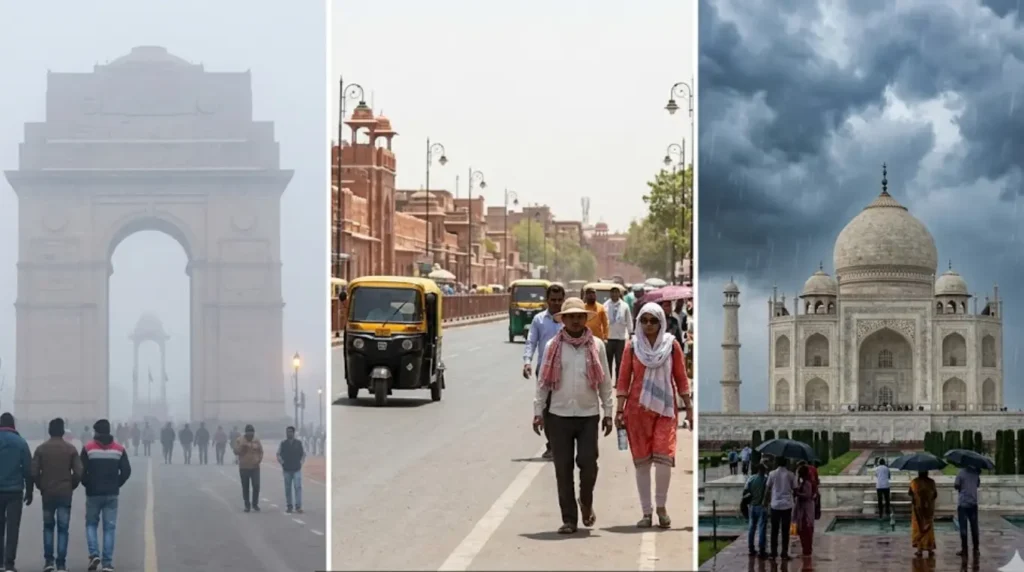
Choosing the right time isn’t just about weather, it directly affects crowds, visibility, travel comfort, and even how your photos turn out.
October to November (Post-Monsoon Sweet Spot)
- Fresh greenery after rains
- Clear skies most days
- Temperatures: 18–30°C
Best balance of weather + fewer crowds (early October especially)
December to February (Peak Season – But With Trade-Offs)
- Cold mornings (8–15°C in Delhi/Agra)
- Pleasant afternoons
- Heavy tourist crowds
Reality check:
- Taj Mahal mornings can be foggy (especially Dec–Jan)
- Flights & hotels are most expensive
Best for comfort, not for empty experiences
March (Underrated Window)
- Slightly warmer (20–32°C)
- Manageable crowds
- Better Taj Mahal visibility than winter
One of the most practical months if you want balance
April to June (Harsh Summer – Only If Necessary)
- Temperatures hit 40–45°C
- Sightseeing becomes physically exhausting
But here’s the twist:
- Fewer crowds
- Cheapest hotels
Only do this if you plan early mornings + long afternoon breaks
July to September (Monsoon – Risk vs Reward)
- Rain comes in bursts, not all-day
- Taj Mahal looks dramatic with clouds
- Jaipur becomes greener
Downside:
- Humidity
- Occasional travel delays
Good for photographers, not ideal for tight itineraries
Also Read: Best Time to Visit India: Month-by-Month Guide for Every Region 2026
Common Mistakes to Avoid (Real Scenarios)
This is where most 7-day India trips go wrong, not in planning, but in execution decisions.
1. Treating India Like Europe (Big Mistake)
People assume they can “cover 4–5 cities in 7 days.”
You can, but you’ll remember airports, not experiences.
India requires slower absorption, not fast movement.
2. Underestimating Mental Fatigue
It’s not just physical travel.
Noise, crowds, traffic, new food, your brain gets tired faster.
That’s why this itinerary includes slow evenings and lighter Day 6.
3. Poor Taj Mahal Timing
Most common regret:
“I saw it, but it didn’t feel special.”
Why?
- Went at noon
- Rushed in 1 hour
- Didn’t explore surroundings
Sunrise + slow pacing = completely different experience
4. Ignoring Strategic Breaks
Travelers often go:
“Let’s finish everything in one day.”
Result:
- Irritation
- Skipped meals
- Poor experience
Smart travellers plan breaks as seriously as sightseeing
5. Choosing Wrong Hotel Locations
Saving ₹1,000/night can cost 2 hours daily in traffic.
Stay:
- Delhi: Central / South Delhi
- Jaipur: Near old city or central
6. Saying Yes to Everything
Guides, drivers, locals will suggest:
“Also see this, also go there…”
Learn to say no.
More places ≠ better trip
7. Not Adapting Daily Plan
India is unpredictable.
- Traffic delays
- Weather changes
- Energy levels drop
Flexibility is not optional, it’s essential
Also Read: Northeast India Travel Guide: The Part of India Most Travelers Have Never Considered
FAQs: 7 Days India Itinerary
1. Is 7 days enough for India?
Yes, if you focus on one region. The Golden Triangle is the best choice because it gives a strong introduction to India’s culture, history, and architecture without exhausting travel. Trying to cover multiple regions in 7 days usually leads to fatigue rather than enjoyment.
2. What is the best 7 Days Itinerary for India for first-time visitors?
Delhi–Agra–Jaipur is the most practical and rewarding route. It balances iconic landmarks, manageable travel distances, and diverse experiences. It’s also well-connected and safer for first-time travelers.
3. How much does a 7-day India trip cost?
A realistic budget ranges between ₹35,000 to ₹75,000 per person depending on hotel category, transport type, and dining choices. Luxury travel can go beyond ₹1 lakh.
4. Is it better to hire a driver or use trains?
For a 7-day itinerary, hiring a private driver is more efficient. It saves time, reduces stress, and allows flexible stops. Trains are cheaper but require strict scheduling.
5. What should I pack for a 7-day India trip?
Pack light cotton clothes (summer), layers (winter), comfortable walking shoes, sunscreen, sunglasses, and basic medicines. Modest clothing is recommended for temples and mosques.
6. Is India safe for tourists?
Yes, especially in tourist circuits like the Golden Triangle. Basic precautions like avoiding late-night isolation, using trusted transport, and staying in good hotels ensure a safe trip.
7. When should I book hotels and transport?
Book at least 2–4 weeks in advance during peak season (Oct–Mar). Last-minute bookings can limit options and increase prices significantly.
8. Can I customize this itinerary?
Absolutely. You can add Varanasi, Rishikesh, or Udaipur if you extend beyond 7 days. This itinerary is a base structure that can be expanded.
Also Read: North India Tour 10 Days: Delhi, Taj Mahal, Jaipur, Varanasi & Rishikesh Itinerary
Plan Your Trip with WishToGo
If you want this 7 Days India Itinerary executed smoothly, without worrying about bookings, routes, or timing, WishToGo Holidays can handle everything.
Travel should feel easy. This plan makes sure it does.