
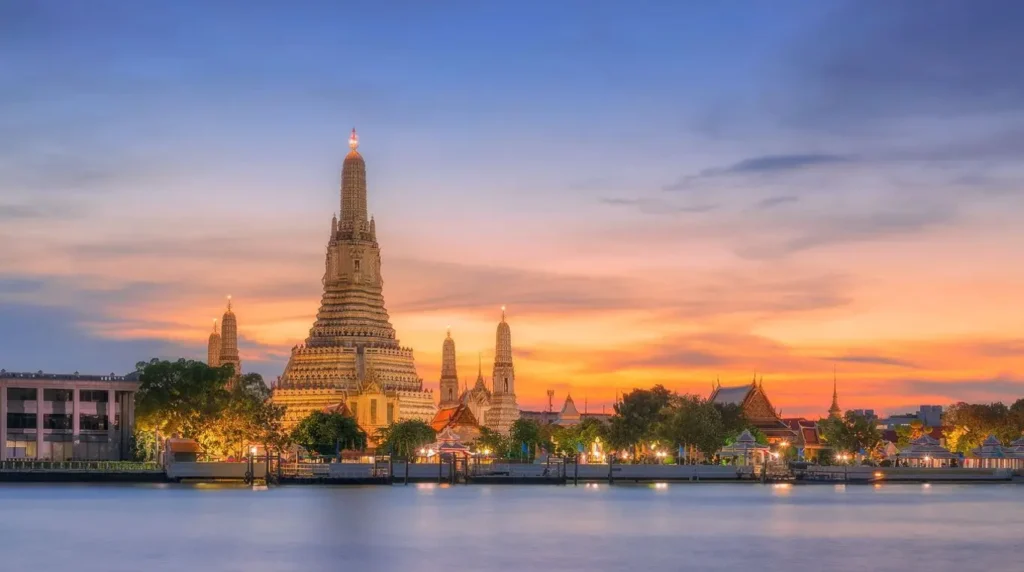
Bangkok is not a city you “explore” in one trip. You step out of your hotel in the morning for temples, end up eating mango sticky rice from a street cart by afternoon, bargain for linen shirts at a market in the evening, and still feel the city has another layer waiting.
This Bangkok Travel Guide is written for travellers who want the real mix: the grand temples, the smoky street food lanes, the markets where you can actually shop, and the small decisions that make your trip smoother.
For Indian travellers, Bangkok works beautifully because it is close, affordable compared to many international cities, and easy to plan even for a short 4-5 day holiday. Indian ordinary passport holders are currently eligible for Thailand’s 60-day visa exemption for tourism and short-term business until further announcement, according to the Royal Thai Embassy in New Delhi; however, travellers should recheck before booking because Thailand has recently discussed tighter visa-exemption rules.
A practical working exchange rate in May 2026 is around 1 Thai Baht = ₹2.95–₹2.96, so a 100 THB snack is roughly ₹295–₹296.
Why Bangkok Is Worth Visiting
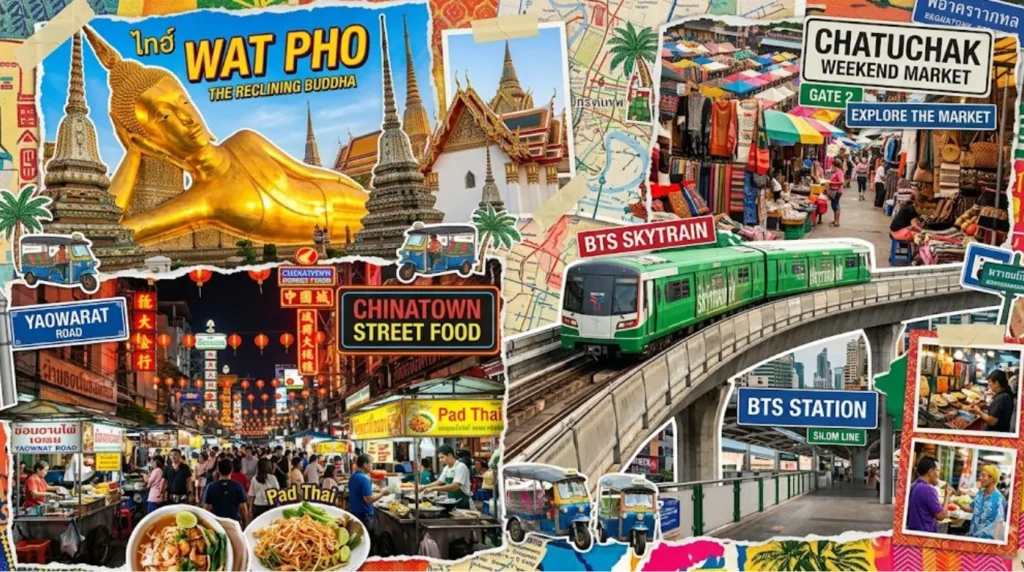
Bangkok is not just a stopover before Phuket or Krabi. It is one of Asia’s most complete city breaks because it gives you culture, food, shopping, nightlife and easy transport in one place.
The temple circuit alone can fill a full day. Tourism Authority of Thailand highlights Wat Phra Kaew, Wat Pho, Wat Arun, Golden Mountain and other historical or religious sites as major Bangkok attractions.
But Bangkok is also practical. You can stay near Sukhumvit, Siam, Silom or Riverside and move around using BTS Skytrain, MRT, ferries, taxis and app-based cabs. The city can feel chaotic on the road, but once you understand the train and boat routes, it becomes much easier.
For Indian travellers, Bangkok is especially comfortable because vegetarian food, Indian restaurants, malls, pharmacies, convenience stores and money exchange counters are easy to find. You can travel budget-style with street food and markets, or you can turn the same trip into a luxury holiday with river-view hotels, rooftop bars and guided temple tours.
Local Tip: Do not plan more than two major areas in one day. Bangkok traffic can turn a 20-minute ride into 50 minutes during peak hours.
Bangkok Travel Guide: Quick Trip Planning Kit
| Item | Practical Details |
|---|---|
| Ideal Trip Length | 4 to 5 days |
| Best For | Couples, families, friends, food lovers, shoppers, first-time international travellers |
| Best Areas to Stay | Sukhumvit, Siam, Silom, Riverside, Pratunam |
| Approx Daily Budget | ₹4,500–₹8,000 per person excluding flights, depending on hotel and shopping |
| Airport to City | Airport Rail Link, taxi, private transfer |
| Main Local Transport | BTS, MRT, Grab/Bolt, Chao Phraya boats, taxis |
| Must-Visit Temples | Grand Palace, Wat Phra Kaew, Wat Pho, Wat Arun |
| Best Food Areas | Yaowarat Chinatown, Sukhumvit Soi 38 area, Jodd Fairs, local mall food courts |
| Best Markets | Chatuchak Weekend Market, Pratunam, Jodd Fairs, Asiatique, Sampeng |
| Currency | Thai Baht; 1 THB ≈ ₹2.95–₹2.96 in May 2026 |
Bangkok Travel Guide to Temples: What to See First
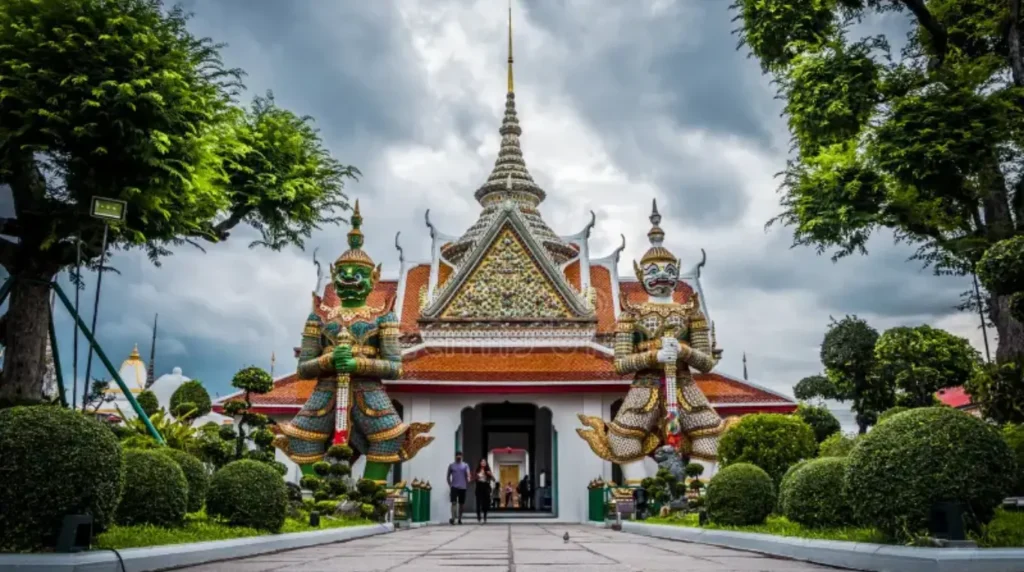
Start with the old royal area near the Chao Phraya River. This is where Bangkok feels most historic.
The Grand Palace and Temple of the Emerald Buddha are the most important sights for first-time visitors. The official Grand Palace website lists daily opening hours as 8:30 AM to 4:30 PM, with tickets sold from 8:30 AM to 3:30 PM, and the ticket price as 500 THB.
Go early. Reach the entrance around 8:15–8:30 AM. The sun becomes harsh by late morning, and tour groups usually build up quickly.
From there, walk or take a short tuk-tuk to Wat Pho, famous for the Reclining Buddha and traditional Thai massage school. Then cross the river to Wat Arun, the Temple of Dawn. Tourism Authority of Thailand lists Wat Arun’s opening hours as 8:00 AM to 6:00 PM and entrance fee as 200 THB.
Wat Arun is one of the best photo spots in Bangkok. The porcelain details on the central prang look beautiful in soft morning light, but the temple is also stunning from across the river at sunset.
Suggested Temple Flow:
Grand Palace → Wat Pho → lunch near Tha Tien → ferry to Wat Arun → sunset drink or dinner on the opposite riverbank.
Local Tip: Carry a light scarf or wear clothing that covers shoulders and knees. Temple dress-code checks are strict at major sites, especially the Grand Palace.
Bangkok Street Food: What to Eat and Where
Bangkok street food is not one single place. It changes by time of day.
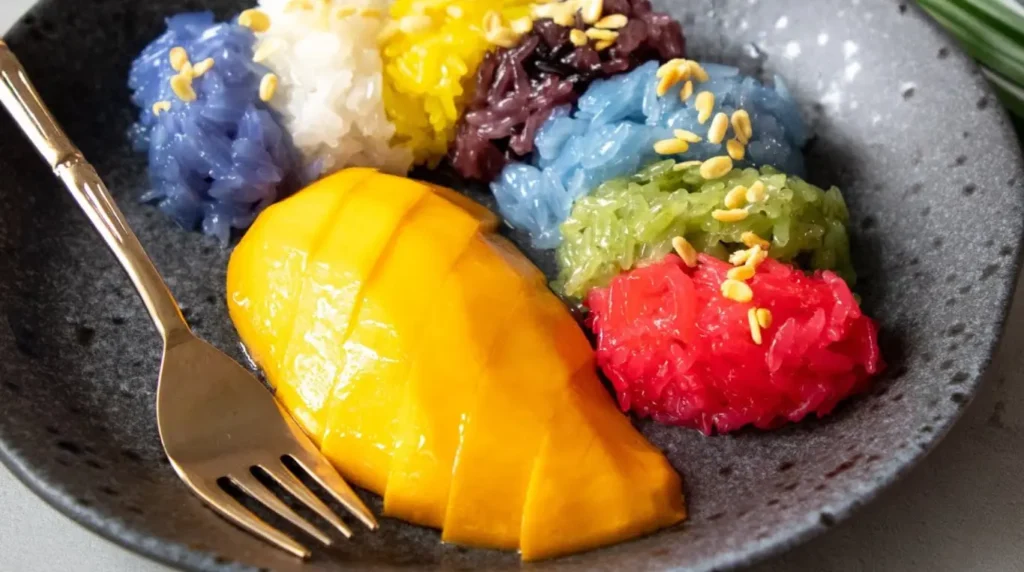
In the morning, you will find rice porridge, grilled pork skewers, fresh fruit, Thai iced tea and small breakfast stalls near office areas. By evening, food streets and night markets come alive with noodles, seafood, satay, crispy pancakes, coconut ice cream and mango sticky rice.
For first-timers, Yaowarat Road in Chinatown is the most exciting food walk. It is bright, crowded, noisy and full of smoke from woks. Food-tour operators describe Bangkok Chinatown as a world-famous evening street food destination and one of the city’s biggest night food areas.
Good dishes to try include:
| Dish | What to Expect | Approx Price |
|---|---|---|
| Pad Thai | Stir-fried noodles with egg, tofu, prawns or chicken | 60–120 THB |
| Mango Sticky Rice | Sweet mango, coconut milk and sticky rice | 80–150 THB |
| Thai Iced Tea | Strong tea with milk and sugar | 30–60 THB |
| Grilled Skewers | Chicken, pork, seafood or mushrooms | 20–80 THB |
| Boat Noodles | Small bowls of rich noodle soup | 25–60 THB |
| Coconut Ice Cream | Served in a cup or coconut shell | 50–100 THB |
| Seafood at Night Markets | Prawns, squid, crab, grilled fish | 200–800 THB depending on portion |
Vegetarian travellers should learn a few useful phrases. “Jay” means strict vegetarian/vegan style in Thai food culture, but not every stall understands Indian vegetarian requirements. Safer options are mall food courts, Indian restaurants, clearly marked vegetarian stalls, and restaurants where you can explain “no meat, no fish sauce, no oyster sauce.”
Local Tip: Eat where turnover is high. A busy stall with fresh cooking is usually safer than a quiet stall where food has been sitting out.
Bangkok Markets: Where to Shop Without Wasting Time
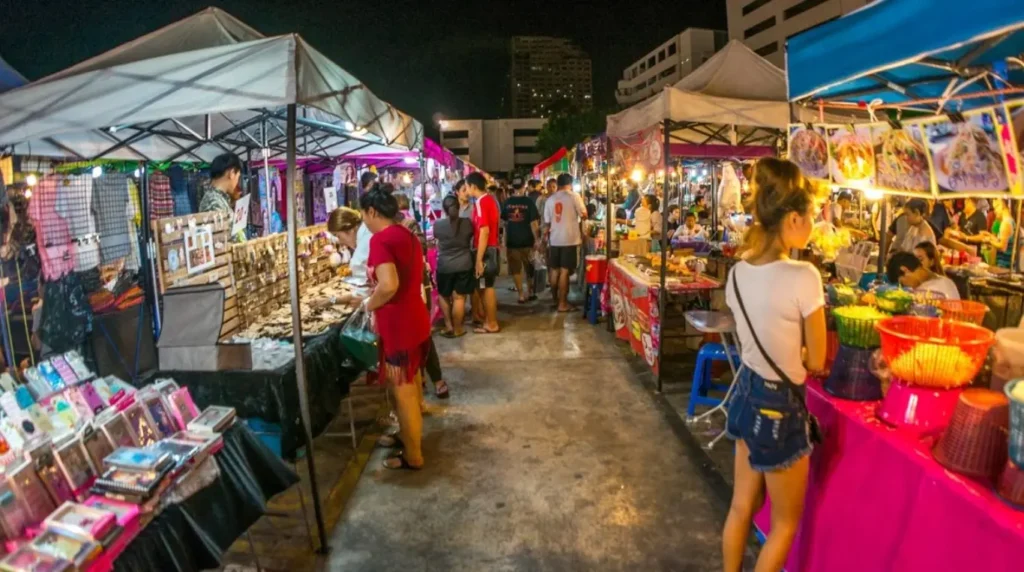
Bangkok markets are fun, but they can drain your energy if you go without a plan.
Chatuchak Weekend Market is the big one. Tourism Authority of Thailand lists Chatuchak as one of Bangkok’s highlights, and it is best visited on Saturday or Sunday when the full market atmosphere is active. Go in the morning, wear comfortable shoes, and keep 3–4 hours if you enjoy shopping.
You will find clothes, home décor, ceramics, bags, art, souvenirs, pet accessories, snacks and vintage items. Bargaining is normal, but do it politely. If the price is already low, pushing too hard over 20–30 THB is not worth the mood.
Pratunam Market is better for budget fashion. It is popular with Indian travellers because you can buy clothes, bags, accessories and wholesale-style items. Nearby Platinum Fashion Mall is more organised and air-conditioned.
Sampeng Market near Chinatown is good for accessories, stationery, trinkets, packaging items and small gifts. The lanes are narrow, so avoid carrying large backpacks.
Asiatique The Riverfront is more touristy and polished. Prices are higher than local markets, but the riverside setting is pleasant for families and couples.
Jodd Fairs is better for evening food, trendy snacks and casual shopping. It is easy to combine with dinner.
Local Tip: Keep cash in small notes. Many small sellers prefer cash, and paying with 1,000 THB notes for small purchases can be inconvenient.
Best Time to Visit Bangkok
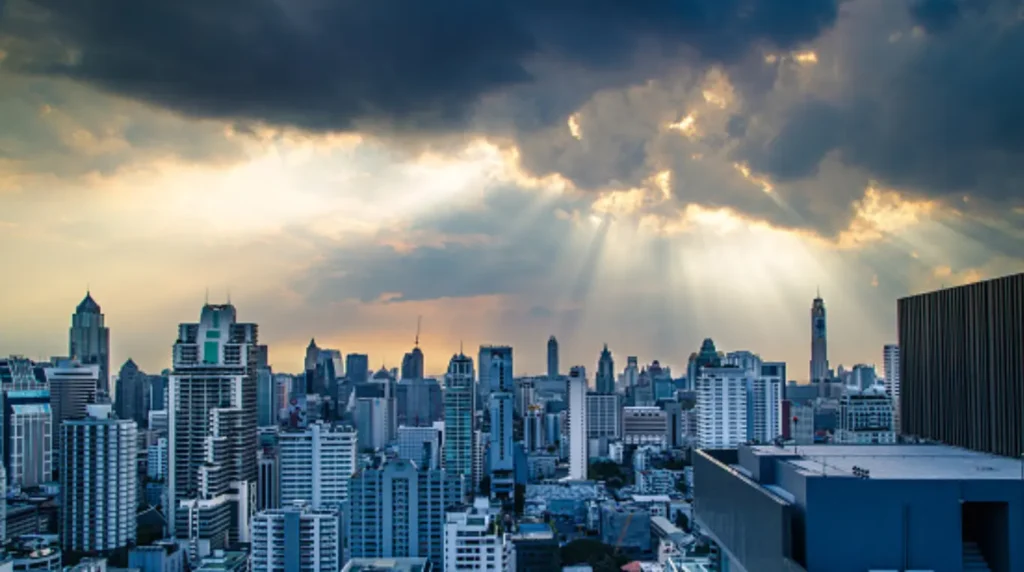
The best time to visit Bangkok is usually November to February, when the weather is cooler and more comfortable for temple walks, markets and outdoor food areas. Travel platforms also commonly recommend November to February as Bangkok’s most comfortable season.
November: A strong month for first-timers. Rain reduces, evenings become pleasant, and sightseeing feels easier. Hotel prices start rising, so book early if travelling around Diwali holidays or long weekends.
December: One of the busiest months. Weather is good, Christmas and New Year energy is high, and malls are beautifully decorated. Prices for flights and hotels can jump sharply, especially for late December departures from Mumbai, Delhi, Bengaluru and Chennai.
January: Excellent for couples and families. The air is still relatively pleasant, and the city is fully active after New Year. It is a good month for temple mornings, Chinatown dinners and rooftop evenings.
February: Still a good month, though afternoons start getting warmer. This is a nice time for travellers who want decent weather but slightly lower rates than peak holiday dates.
March to May: Hot season. Bangkok can feel tiring in the afternoon, especially around temples and markets. Plan outdoor sightseeing before 11 AM and after 4 PM. Keep malls, spas, cafés or hotel breaks for midday.
June to October: Rainy season. It does not usually rain all day, but sudden showers can affect market walks and river plans. This period can be cheaper for hotels, so it works for budget travellers who do not mind flexible planning.
For Indian travellers, the best balance is late November, January, early February or early March. You avoid the worst heat and can still manage costs if flights are booked in advance.
Local Tip: Even in “cool” months, Bangkok is humid. Carry a small towel, refillable water bottle, sunscreen and breathable cotton/linen clothes.
4-Day Bangkok Itinerary for Temples, Street Food and Markets
Day 1: Arrive, Settle In and Taste Your First Bangkok Evening
Land in Bangkok and keep the first day light. Immigration, baggage, airport transfer and hotel check-in can take longer than expected.
If you arrive at Suvarnabhumi Airport, use the Airport Rail Link if your luggage is light and your hotel is near a connected train route. Otherwise, take a pre-booked transfer or official taxi.
Check in, shower, and step out around 5:30 PM. For your first evening, choose something easy: Jodd Fairs for food and casual browsing, Asiatique for riverside dinner, or a mall food court if you are tired.
Couples can choose a slow riverside dinner near Asiatique. Families may prefer a mall because seating, washrooms and food choices are easier.
Do not book a packed night tour on arrival day unless your flight lands in the morning. Bangkok rewards relaxed wandering more than rushed ticking.
Day 2: Grand Palace, Wat Pho, Wat Arun and Riverside Sunset
Start early. Leave your hotel by 7:30 AM if staying in Sukhumvit or Siam. Reach the Grand Palace around opening time. The official Grand Palace ticket is 500 THB, and tickets are sold until 3:30 PM, but morning is far better for heat and crowds.
Spend 1.5–2 hours inside. Then walk or take a short ride to Wat Pho. After Wat Pho, stop for lunch near Tha Tien. You will find cafés, Thai restaurants and simple eateries around the river.
In the afternoon, cross to Wat Arun by ferry. Wat Arun is open daily from 8 AM to 6 PM, with an entrance fee of 200 THB according to Tourism Authority of Thailand.
Around sunset, cross back and find a riverside viewpoint or café facing Wat Arun. This is one of Bangkok’s most memorable slow moments.
Day 3: Chatuchak, Siam Shopping and Chinatown Food Walk
Make this day a Saturday or Sunday if possible.
Reach Chatuchak Weekend Market by 10 AM. Wear breathable clothes and walking shoes. Shop slowly, take photos of lane numbers, and avoid buying bulky items early unless you are ready to carry them.
By afternoon, move to Siam or CentralWorld for air-conditioning, coffee and mall browsing. This is a good time to buy branded items, beauty products or gifts.
In the evening, go to Yaowarat Chinatown. Start around 6 PM before the heaviest dinner rush. Try small portions from multiple stalls instead of filling up at the first place.
Couples should walk into the smaller side lanes too, but stay aware of traffic and belongings. Families should pick stalls with proper seating where possible.
Day 4: Pratunam, Massage, Café Time and Departure Shopping
Keep your last day practical. Visit Pratunam Market or Platinum Fashion Mall in the morning for clothes, bags and accessories.
After lunch, book a Thai massage or foot massage. Avoid trying massage at the very end if your flight is close; give yourself enough buffer.
Use the afternoon for Big C, supermarket snacks, Thai tea packets, dried mango, coconut chips and small souvenirs.
Leave for the airport early. Bangkok traffic near evening peak hours can be unpredictable.
Getting Around Bangkok
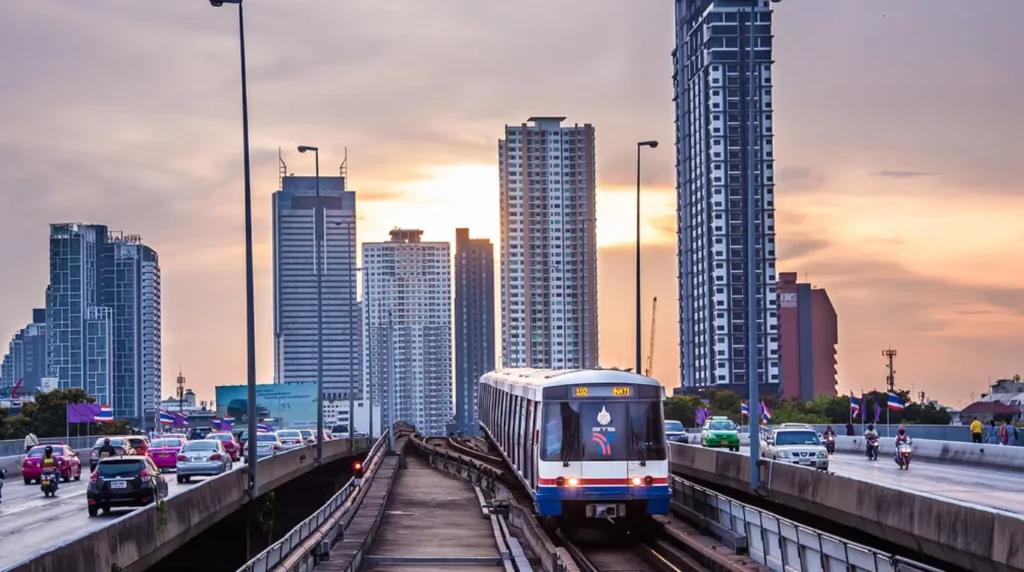
Bangkok has good public transport, but the best option depends on the area.
The BTS Skytrain is useful for Sukhumvit, Siam, Silom, Chatuchak and many shopping zones. The official BTS site provides route and fare planning tools. Recent Bangkok BTS fare guides place typical single-journey fares around 16–62 THB, depending on distance.
The MRT is useful for Chinatown, Chatuchak, Sukhumvit connections and some old-city access. Use Google Maps for station planning, but check the walking distance from the station to your final destination.
For the riverside temple circuit, Chao Phraya boats are often better than taxis. They save time and give you a more local experience.
For late nights or door-to-door comfort, use Grab or Bolt. Taxis are available, but insist on meter or agree clearly before starting. Tuk-tuks are fun once, but they are often more expensive than air-conditioned taxis.
Local Tip: Stay near a BTS or MRT station. Saving ₹1,000 per night on a far-off hotel is not worth wasting 2 hours daily in traffic.
Where to Stay in Bangkok
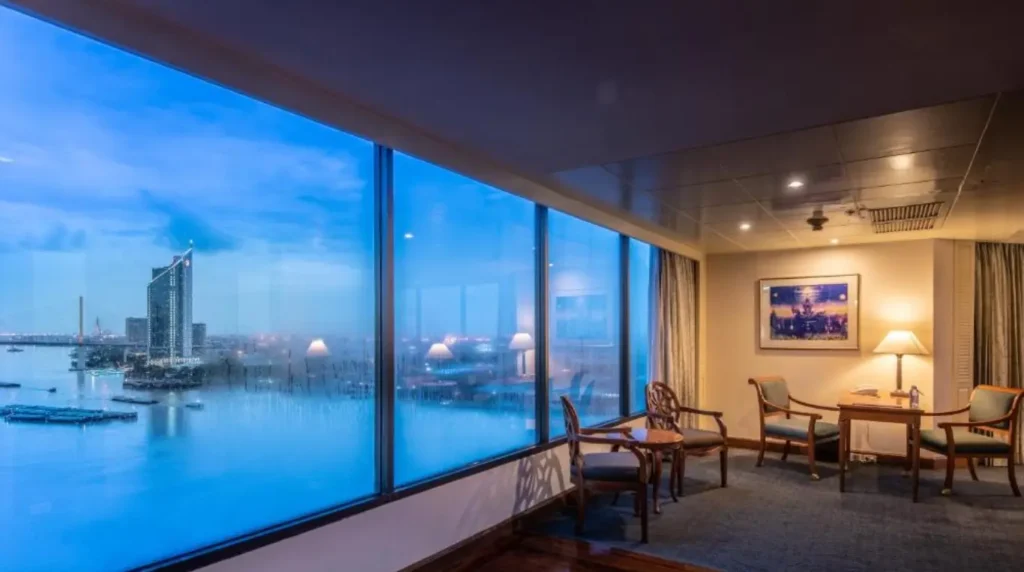
Sukhumvit is the easiest area for first-time Indian travellers. It has malls, nightlife, Indian restaurants, cafés and BTS access. Stay near Asok, Nana, Phrom Phong or Thong Lo depending on your style.
Siam is best for shopping-focused trips. You are close to major malls and central transport links. Hotels can be expensive, but convenience is excellent.
Silom is good for couples and business-style travellers. It has food, transport, rooftop bars and a slightly more mature city feel.
Riverside is scenic and romantic. It works beautifully for couples and families who want a slower stay, but you may spend more time commuting to shopping areas.
Pratunam is practical for budget shopping. It is busy and not the most charming area, but it is convenient if your priority is fashion shopping and Indian food access.
Local Tip: For a first Bangkok trip, choose convenience over room size. A smaller hotel near BTS is usually better than a large room far from transport.
Planning a bigger Thailand holiday along with Bangkok? You can explore our complete Thailand tour packages for ready-made itineraries covering Bangkok, Pattaya, Phuket, Krabi and other popular destinations. For first-time travellers, our detailed Thailand travel guide will also help you understand the best time to visit, ideal trip duration, visa basics, travel costs, food, shopping and route planning before you book.
Common Mistakes to Avoid in Bangkok
The biggest mistake is underestimating heat and traffic. Travellers often plan Grand Palace, Wat Pho, Wat Arun, Chatuchak, Chinatown and a rooftop bar in one day. On paper it looks possible. In real life, Bangkok’s heat, walking, crowds and travel time make it exhausting.
Second, many travellers dress incorrectly for temples. Sleeveless tops, short dresses, shorts above the knee and revealing outfits can create problems at major temple entrances. Carry a scarf, but do not rely only on it; wear modest clothes on temple day.
Third, people overpay for tuk-tuks. A short tuk-tuk ride can be fun, but if someone offers a very cheap city tour, be careful. Wat Arun’s own website warns visitors not to trust people on the street claiming the temple is closed or offering cheap rides.
Fourth, shoppers buy too much too early. Bangkok has many markets, and prices vary. Check quality, compare rates and keep luggage space in mind.
Fifth, food lovers eat everything on day one. Street food is tempting, but your stomach may need time. Start with freshly cooked hot food, avoid cut fruit from unhygienic stalls, and drink sealed bottled water.
Sixth, travellers ignore visa and entry updates. Thailand’s rules can change, and recent news shows the country has been reviewing visa exemption durations. Always verify official rules close to your travel date.
Local Tip: Keep screenshots of your hotel address in Thai or on Google Maps. It helps with taxis, tuk-tuks and late-night returns.
Estimated Bangkok Trip Cost from India
| Expense | Budget Traveller | Comfortable Traveller | Premium Traveller |
|---|---|---|---|
| Return Flights from India | ₹16,000–₹28,000 | ₹22,000–₹38,000 | ₹40,000+ |
| Hotel per Night | ₹2,500–₹4,500 | ₹5,000–₹9,000 | ₹12,000+ |
| Food per Day | ₹800–₹1,500 | ₹1,500–₹3,000 | ₹4,000+ |
| Local Transport per Day | ₹400–₹1,000 | ₹800–₹1,800 | ₹2,500+ |
| Temples & Activities | ₹2,000–₹5,000 total | ₹5,000–₹10,000 total | ₹12,000+ |
| Shopping | Flexible | Flexible | Flexible |
A comfortable 4-day Bangkok trip from India usually costs ₹45,000–₹75,000 per person, excluding heavy shopping. Couples can reduce cost by sharing hotel and transfers.
FAQs: Bangkok Travel Guide
1. How many days are enough for Bangkok?
For a first trip, 4 days are enough to see Bangkok properly without rushing. You can keep one day for the Grand Palace, Wat Pho and Wat Arun, one day for Chatuchak or shopping, one evening for Chinatown street food, and one flexible day for cafés, massage, malls or markets. If you enjoy slow travel, 5 days are better because Bangkok is tiring in the afternoon heat. A 2-day trip is possible, but it will feel more like a stopover than a complete city experience.
2. Is Bangkok good for Indian tourists?
Yes, Bangkok is very comfortable for Indian tourists. Flights from India are frequent, food options are broad, and many areas have Indian restaurants, vegetarian food, money exchange counters and shopping zones familiar to Indian travellers. The city is also good for different budgets. You can travel cheaply using BTS, MRT and street food, or plan a premium holiday with luxury hotels and private tours. The main thing is to choose the right hotel area and avoid overpacking your itinerary.
3. What are the must-visit temples in Bangkok?
The must-visit temples are the Grand Palace with Wat Phra Kaew, Wat Pho and Wat Arun. These three give you the classic Bangkok temple experience and can be done in one well-planned day. The Grand Palace is the most formal and crowded, Wat Pho is known for the Reclining Buddha, and Wat Arun is best for photos and river views. If you have extra time, add Golden Mountain, Wat Traimit in Chinatown or Wat Benchamabophit. Dress modestly for all temple visits.
4. Where should I eat street food in Bangkok?
Yaowarat Chinatown is the best first street food experience because it has energy, variety and a strong evening atmosphere. Jodd Fairs is easier for travellers who want a cleaner, more organised market-style food experience. Local mall food courts are also excellent because they are affordable, hygienic and easy to navigate. For first-timers, avoid experimenting with too many spicy or unfamiliar dishes on the first night. Start with hot, freshly cooked food and slowly explore more.
5. Is Bangkok expensive for shopping?
Bangkok can be cheap or expensive depending on where you shop. Pratunam, Platinum Fashion Mall, Chatuchak and Sampeng are good for budget and wholesale-style shopping. Siam Paragon, CentralWorld and ICONSIAM are better for branded shopping and premium experiences. Bargaining works in markets but not in malls. For Indian travellers, clothes, accessories, skincare, snacks and souvenirs are popular buys. Always compare quality because not everything cheap is worth carrying home.
6. What is the best area to stay in Bangkok for first-timers?
Sukhumvit is usually the best area for first-timers because it has BTS access, restaurants, nightlife, cafés, malls and good hotels across budgets. Siam is better if shopping is your main focus. Riverside is best for couples who want scenic views and a slower mood. Pratunam works for budget shoppers but can feel crowded. The most important rule is to stay near a BTS or MRT station because traffic can waste a lot of time.
7. Do Indians need a visa for Bangkok?
As of the latest official information from the Royal Thai Embassy in New Delhi, the 60-day visa exemption for Indian ordinary passport holders for tourism and short-term business remains effective until further announcement. However, Thailand has recently approved or discussed tighter visa-exemption rules, so travellers should verify again before booking flights. Always check your passport validity, return ticket, hotel booking and proof of funds requirements before travelling.
8. Is Bangkok safe for couples and families?
Bangkok is generally safe for couples and families in tourist areas, but normal city caution is needed. Keep your phone, wallet and passport secure in crowded markets and nightlife streets. Use app-based cabs late at night when possible. Avoid isolated lanes after midnight, and do not accept suspiciously cheap tours or rides from strangers near tourist attractions. Families should choose hotels near transport and food options to reduce late-night commuting.
9. What should I wear in Bangkok?
For normal sightseeing, wear light cotton or linen clothes because Bangkok is hot and humid. For temples, cover shoulders and knees. Men can wear trousers or long shorts that cover the knee, and women can wear long skirts, loose pants or dresses with sleeves or a scarf. Comfortable walking shoes are important because temples and markets involve a lot of walking. Carry sunglasses, sunscreen and a small umbrella during rainy months.
10. Can I combine Bangkok with Pattaya, Phuket or Krabi?
Yes, Bangkok combines well with Pattaya, Phuket or Krabi. For a short 5-day trip, Bangkok plus Pattaya is easiest because Pattaya is reachable by road. For 6–7 days, Bangkok plus Phuket or Krabi gives you a better city-and-beach holiday. Keep at least 2 nights in Bangkok if you want temples, street food and shopping. Do not make Bangkok only a half-day stop unless your main purpose is just transit.
Planning Bangkok for the first time can feel simple until you start choosing hotel areas, temple timings, market days, airport transfers and the right mix of sightseeing and free time.
WishToGo Holidays can help you plan a smooth Bangkok holiday from India with flights, hotels, transfers, sightseeing and practical local guidance. Whether you want a budget shopping trip, a couple-friendly Bangkok escape, or Bangkok combined with Pattaya, Phuket or Krabi, our team can build the route around your dates and comfort level.
Talk to WishToGo Holidays and plan your Bangkok trip with fewer mistakes and better local flow.