
East India Tourism Guide 2026
East India is where India slows down, deepens and surprises you Darjeeling's misty tea gardens framing the world's third-highest peak, Kolkata's grand colonial architecture and legendary street food, Odisha's ancient sun temples and dolphin-dotted coastal lagoon, the sacred silence of Bodh Gaya and the dense mangrove channels of the Sundarbans. This guide covers the best places to visit in East India, the right time to go, what it costs, and ready-made itineraries for families, couples, friend groups and solo travellers.
On this Page
Home - Destination Guide - India - East India Tourism Guide
Why Visit East India?
East India offers something no other zone can quite replicate the feeling of discovering India at its most unhurried and authentic. You can watch the sun rise over snow-capped Kanchenjunga from a hilltop above Darjeeling’s tea estates, stand before a 13th-century stone chariot temple in Odisha that ranks among the finest architecture on earth, eat some of the best food in India on the streets of Kolkata, and sit in stillness at the spot where the Buddha attained enlightenment all within the same travel zone.
For Indian travellers, East India is one of the most rewarding and undervisited zones in the country. Destinations like Darjeeling, Puri and Bodh Gaya are easy to reach by train or direct flight, costs are lower than most other tourism zones, and the region handles every kind of traveller from spiritual pilgrims to wildlife seekers to first-time hill station visitors.
- You get hill stations, ancient temples, mangrove wildlife, coastal beaches and Buddhist heritage all within the East India zone.
- There are multiple gateway cities like Kolkata, Bhubaneswar, Patna, Ranchi and Bagdogra.
- Overnight trains from Delhi, Mumbai and Chennai connect to Kolkata, Bhubaneswar and Patna reliably.
- You can find Bengali, Odia, Bihari and pan-Indian cuisine seafood, sweets and vegetarian options almost everywhere.
- Trips can be customised from heritage city breaks to hill station escapes to temple circuits to mangrove wildlife safaris.
For Indian travellers, East India works very well for:
- Families who want a hill station, beach or temple combination with comfortable, budget-friendly stays.
- Couples and honeymooners looking for colonial-era boutique hotels in Darjeeling, heritage guesthouses in Kolkata or beachside stays in Puri.
- Friend groups keen on Kolkata’s food culture, Darjeeling road trips, offbeat Jharkhand waterfalls and Sundarbans boat safaris.
- Parents and elders who prefer pilgrimage — Puri’s Jagannath Temple (one of the four sacred dhams), Bodh Gaya, Rajgir, Vaishali and Tarapith.
- History and culture lovers who want Odisha’s unmatched temple architecture, Kolkata’s colonial heritage and Bihar’s Nalanda ruins.
You can plan:
- A 3–4 day weekend to Darjeeling or Kolkata from Kolkata, Delhi or Bangalore.
- A 5–7 day Odisha coastal and temple circuit or West Bengal hills and city loop.
- A 6–8 day Bihar Buddhist heritage trail or a multi-state East India itinerary combining two zones.
- Ideal trip duration:
- 3–4 days for Darjeeling, Kolkata city break or Puri beach
- 5–7 days for Odisha temple circuit, West Bengal hills loop or Bihar Buddhist trail
- 7–9 days for extended multi-state East India — Bengal + Odisha or Bihar + Jharkhand
- Trip style: Perfect for families, honeymooners, heritage lovers, wildlife seekers, pilgrimage travellers, food enthusiasts and offbeat explorers.
- Starting budget (land only): From approx. ₹8,000–₹18,000 per person for 3–4 days, and ₹18,000–₹40,000 per person for 5–7 days, excluding long-distance flights. East India is one of the most budget-friendly zones in India.
Need a Custom East India Tourism Guide Itinerary?
Speak to Our Expert Tour Consultant on WhatsApp.
Top Places to Visit in East India
East India becomes easy to plan once you see it as a set of distinct travel clusters rather than one large region. Think of it as West Bengal's layered combination of hills, city and mangroves in the north, Odisha's coastal temple belt in the south, Bihar's ancient Buddhist heritage corridor in the west, and Jharkhand's forested waterfall country in the centre.
East India tourism zone broadly includes:
- West Bengal
- Odisha
- Bihar
- Jharkhand
Main Gateway Cities for East India
Most East India tours begin from one of these cities, where you get flights and trains from across India:
- Kolkata (Netaji Subhash Chandra Bose International Airport) – the main hub for all East India travel; gateway for Darjeeling, Sundarbans, Odisha and Bihar connections
- Bhubaneswar – primary air gateway for Odisha — Puri (1 hr by road), Konark and Chilika Lake
- Bagdogra – closest airport to Darjeeling (80 km) and Sikkim; direct flights from Delhi, Mumbai and Kolkata
- Patna – gateway for Bihar's Buddhist circuit — Bodh Gaya (2.5 hrs by road), Nalanda, Rajgir and Vaishali
- Ranchi – gateway for Jharkhand — Betla National Park, Hundru and Jonha waterfalls, Netarhat
- New Jalpaiguri (NJP) – major railway junction; starting point for the Darjeeling Himalayan Railway toy train
Key East India Travel Clusters
Instead of thinking state by state, plan your trip around these practical travel clusters:
- Darjeeling & North Bengal Hills – Darjeeling, Kalimpong, Mirik, Kurseong, toy train from NJP, tea garden walks, Tiger Hill sunrise, Sandakphu trek for advanced trekkers
- Kolkata City & Surrounds – Victoria Memorial, Howrah Bridge, Dakshineswar Kali Temple, Park Street food trail, Kalighat, heritage tram rides, day trip to Bishnupur terracotta temples
- Sundarbans Delta – boat safaris through the mangrove channels, Royal Bengal Tiger territory, Sajnekhali Wildlife Sanctuary, river camp stays
- Odisha Temple & Coastal Circuit – Bhubaneswar (Lingaraj Temple, Udayagiri caves), Puri (Jagannath Temple, beach), Konark (Sun Temple), Chilika Lake (dolphins, flamingos), Bhitarkanika (saltwater crocodiles, mangroves)
- Bihar Buddhist Heritage Trail – Bodh Gaya (Mahabodhi Temple, Bodhi Tree), Nalanda (ancient university ruins), Rajgir (Vishwa Shanti Stupa, hot springs), Vaishali (Ashoka Pillar), Patna Sahib (Sikh gurudwara)
- Jharkhand Nature Circuit – Ranchi (Hundru and Jonha waterfalls), Netarhat (hill station, sunrise), Betla National Park (elephant and tiger reserve), Deoghar (Baidyanath Jyotirlinga)
| Destination | Card Subtitle (image caption) | Image Alt Text |
|---|---|---|
| West Bengal | Darjeeling tea gardens, Kolkata colonial heritage, Sundarbans mangroves and Himalayan views | Darjeeling tea garden Kanchenjunga sunrise West Bengal |
| Odisha | Konark Sun Temple, Jagannath Puri, Chilika Lake dolphins and Bhitarkanika wildlife | Konark Sun Temple chariot wheel Odisha UNESCO |
| Bihar | Bodh Gaya, Nalanda ruins, Rajgir and the Buddhist heritage circuit | Mahabodhi Temple Bodh Gaya Bihar lotus pond |
| Jharkhand | Hundru waterfalls, Netarhat hill station, Betla National Park and Deoghar Jyotirlinga | Hundru waterfall Jharkhand forest monsoon |
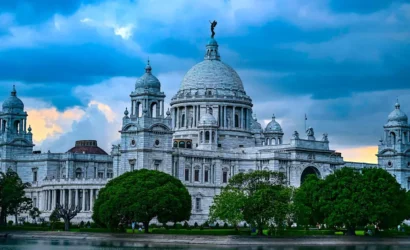
West Bengal
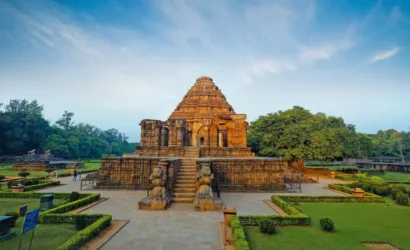
Odisha
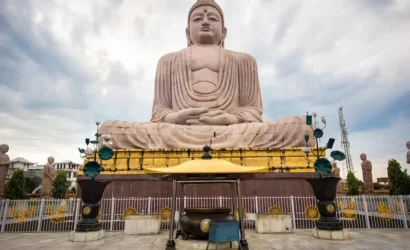
Bihar
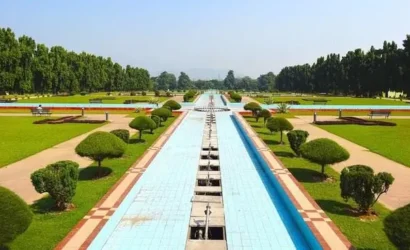
Jharkhand
Top Things to Do in East India – Activities
East India becomes truly memorable when you add the right experiences, not just sightseeing. From pre-dawn drives to Tiger Hill and toy train rides through mist-covered mountains to temple walks at dawn in Bhubaneswar and river boat safaris in the Sundarbans, there is something for every kind of traveller. Pick 2–4 activities that match your cluster, travel month and group.
Must-Do Experiences in East India
East India tourism is full of deeply rewarding moments. Here are the ones Indian travellers return from talking about the most.
1. Sunrise at Tiger Hill, Darjeeling — First Light on Kanchenjunga
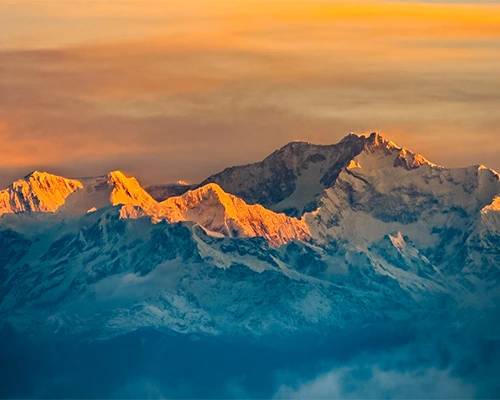
The pre-dawn drive to Tiger Hill (2,590 m) above Darjeeling is one of India's most iconic travel experiences — watching the first orange light of the sun hit the snow-covered peak of Kanchenjunga (8,586 m, the world's third-highest mountain) while the valley below is still dark.
- Leave your hotel by 4 AM — the viewing platform fills up quickly, especially on weekends and in October–November.
- On clear days you can also see Everest and Makalu to the west — carry binoculars for the best views.
- Combine with a visit to Batasia Loop (a spiral railway loop with a war memorial and Kanchenjunga views) on the way back to town in the morning light.
2. Ride the Darjeeling Himalayan Railway — UNESCO Toy Train
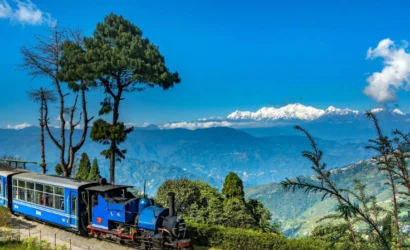
The Darjeeling Himalayan Railway — popularly called the toy train — is a UNESCO World Heritage Site and one of India's most beloved rail journeys, running through tea gardens, dense forest and hillside villages on narrow-gauge tracks at a gentle 15–20 km/h.
- The full heritage joyride from Darjeeling to Ghum and back takes about 2 hours — book in advance at the Darjeeling station or online via IRCTC.
- The Darjeeling to New Jalpaiguri (NJP) full journey takes 7–8 hours and is one of India's great slow train experiences — scenic but not for those short on time.
- Book the first morning joyride (departs ~8 AM) for the clearest mountain views and golden morning light through the tea gardens.
3. Walk a Darjeeling Tea Garden & Taste Fresh-Plucked Tea
Darjeeling produces some of the world's most sought-after tea — the famous "muscatel" second flush is prized globally. Walking through a working tea garden and tasting tea in the estate's own tea room is a quiet, genuinely beautiful experience.
- Visit Happy Valley Tea Estate (closest to Darjeeling town, open to visitors) or Makaibari Tea Estate in Kurseong for a more immersive heritage estate experience.
- Go between March and November (plucking season) to see tea-pickers at work in the rows — outside this window, the gardens are quiet and brown.
- Buy directly from the estate or from Nathmull's Tea Room on Nehru Road in Darjeeling town for verified estate teas at fair prices.
4. Explore Kolkata's Heritage on Foot — Victoria Memorial, Howrah Bridge & Food Streets
Kolkata is one of India's most walkable, layered and literary cities — British-era buildings, crumbling colonial facades, river ghats, tram lines and some of the country's greatest street food all coexist in a city that rewards slow exploration.
- Start at Victoria Memorial (open Tue–Sun, 10 AM–6 PM) — spend 90 minutes inside the museum before walking through the surrounding gardens.
- Walk to Howrah Bridge at dawn or dusk — the world's busiest cantilever bridge, constantly alive with pedestrians, cycle rickshaws and flower sellers.
- Eat on Park Street (for restaurants and cafés), New Market Lane (for kathi rolls, puchka and mishti doi) and College Street (for tea and book browsing) — Kolkata's food culture is genuinely one of the best in India.
5. Boat Safari in the Sundarbans — Royal Bengal Tiger Territory
The Sundarbans is the world's largest mangrove delta — a 10,000 sq km maze of tidal channels, mudflats and dense mangrove forest straddling India and Bangladesh. It is the only place on earth where Bengal tigers live in a marine environment and swim between islands.
- Take a WBFDC or registered eco-camp boat safari — enter the core zone through Sajnekhali Wildlife Sanctuary. Tiger sightings are rare (the forest is too dense), but pug marks on mud banks, saltwater crocodiles, spotted deer, Olive Ridley turtles and remarkable birdlife are reliably seen.
- Stay at a forest eco-camp on the island of Bali or Sajnekhali — waking up to the sound of the jungle over water at dawn is unlike anything else in India.
- Plan a minimum of 2 nights — a single day is not enough to reach the good zones and return. Most Kolkata-based tour operators run 2N/3D packages.
6. Stand Before Konark Sun Temple at Dawn
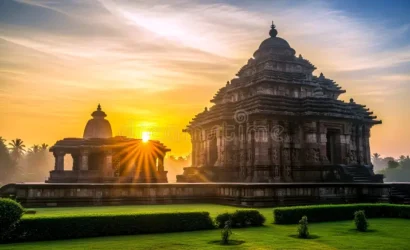
The Konark Sun Temple is one of the greatest works of medieval Indian architecture — a 13th-century stone chariot with 24 intricately carved wheels and seven horses, built as an offering to the sun god Surya, now a UNESCO World Heritage Site.
- Arrive at sunrise (6–7 AM) when the temple catches the first light and the tourist crowds have not yet arrived — the warm stone glows gold.
- Spend at least 2 hours — the erotic and mythological carvings on the chariot wheels and outer walls are extraordinarily detailed and deserve close attention.
- Combine with a visit to the Konark Museum (adjacent to the temple) for fallen sculptures and architectural fragments from the original complex, and a walk to the Chandrabhaga beach (3 km from the temple) for a quiet sunrise on the Bay of Bengal.
7. Evening Aarti at Jagannath Temple, Puri & Puri Beach at Dawn
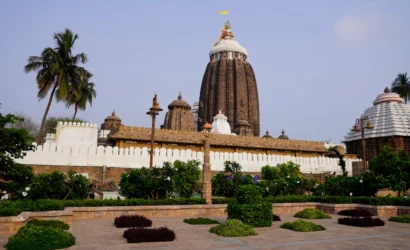
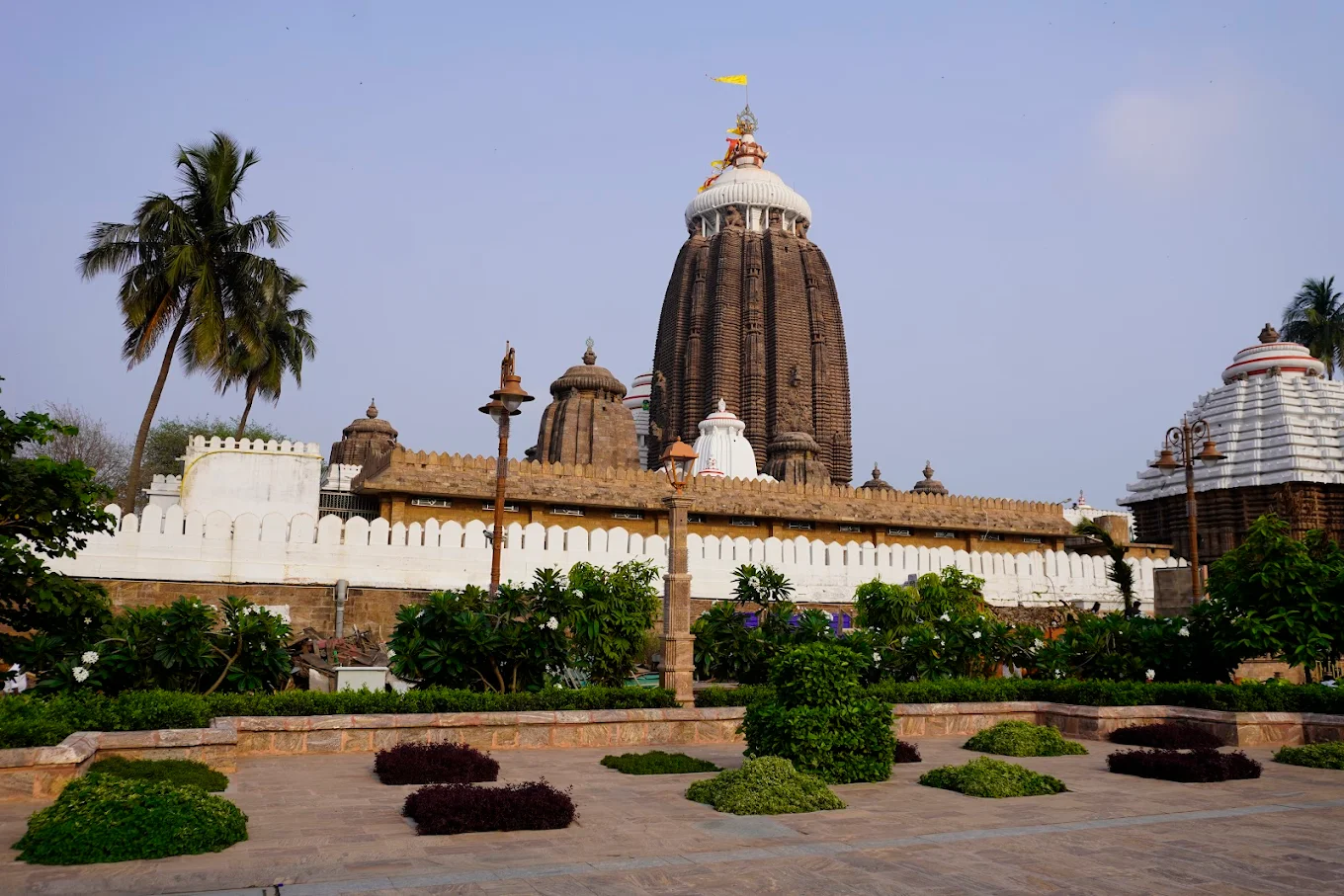
Puri is one of the four sacred dhams (pilgrimage seats) of Hinduism — the Jagannath Temple, dedicated to Lord Krishna as Jagannath (Lord of the Universe), draws millions of pilgrims annually and its Rath Yatra chariot festival is one of the world's largest religious gatherings.
- The temple is open only to Hindus — visit early morning (6–7 AM) for darshan before crowds build. The evening Sandhya Aarti (around 7–8 PM) is deeply moving.
- Stay on Marine Drive side of Puri beach — quieter, cleaner and less crowded than the main tourist beach at the northern end.
- Try Puri's famous mahaprasad — the sacred food cooked inside the Jagannath Temple kitchen (one of the world's largest) is available at the Ananda Bazaar inside the temple complex for devotees.
8. Visit Bodh Gaya — Where the Buddha Attained Enlightenment
Bodh Gaya is one of the most spiritually significant places on earth — the spot under the Bodhi Tree where Siddhartha Gautama attained enlightenment and became the Buddha. The Mahabodhi Temple complex is a UNESCO World Heritage Site and a living centre of Buddhist practice, prayer and pilgrimage from across Asia.
- Sit under the Bodhi Tree (a direct descendant of the original tree) in the Mahabodhi complex — the atmosphere at dawn or during evening prayers, with monks from Thailand, Japan, Sri Lanka, Tibet and India all present, is profound.
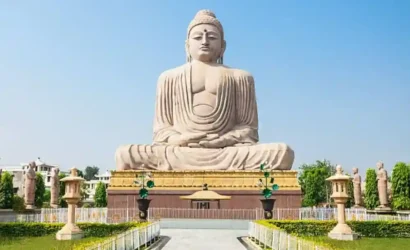
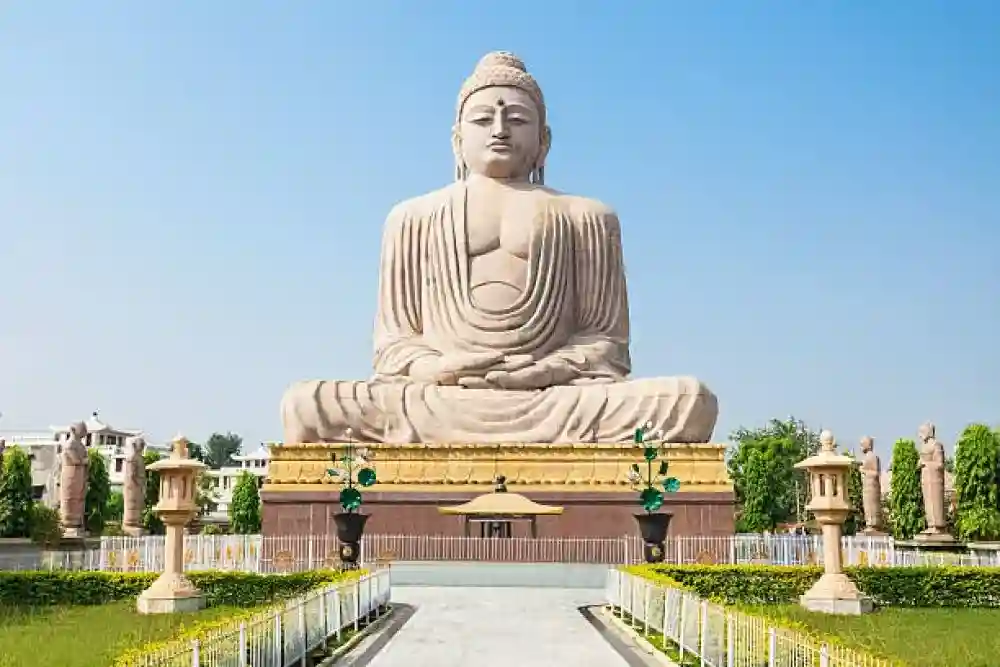
- Visit the Great Buddha Statue (25 metres, built 1989) and the surrounding monasteries — Japanese, Thai, Tibetan, Bhutanese and Chinese monasteries each with their distinct architecture are all within walking distance of each other.
- Combine with Nalanda (90 km from Bodh Gaya) — the ruins of the ancient Nalanda University (established 5th century CE), one of the world's first residential universities, are remarkably well-preserved and atmospheric.
9. Chilika Lake — Irrawaddy Dolphins & Flamingo Flocks
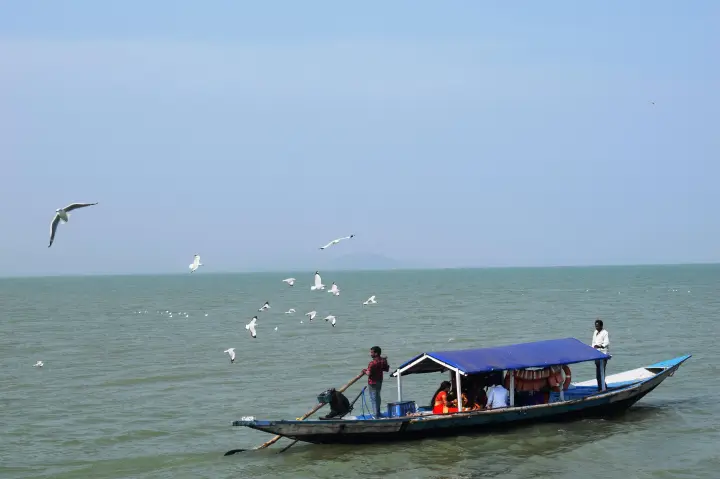
Chilika Lake is Asia's largest brackish water lagoon — a massive shallow lake on Odisha's coast, home to the Irrawaddy dolphin, over 160 species of migratory birds (including massive flamingo flocks in winter) and a rich fishing culture.
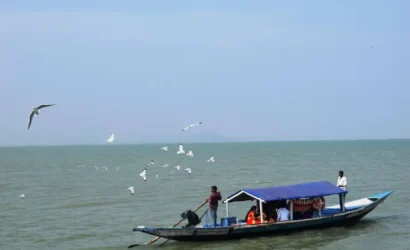
- Take a morning boat ride from Satapada (the most popular dolphin-spotting base) — Irrawaddy dolphins are reliably spotted in the outer channel where the lake meets the sea.
- The Nalabana Bird Sanctuary inside the lake is best from November to February — it's a major wintering ground for flamingos, bar-headed geese, grey pelicans and painted storks.
- Chilika is best visited as an overnight stop between Puri and Bhubaneswar — 1 hour from Puri and 1.5 hours from Bhubaneswar by road.
10. Explore Bhubaneswar's Temple City — 500 Temples in One City
Bhubaneswar was once called the "Cathedral City of India" — it has the highest concentration of ancient Hindu temples of any city in the subcontinent, with hundreds of stone temples ranging from the 7th to 13th centuries.
- Start with the Lingaraj Temple — the largest and most important temple in the city (open to Hindus only; a viewing platform is available for non-Hindus). Built in 1114 CE, its 55-metre tower (deul) is one of the finest examples of Kalinga architecture in India.
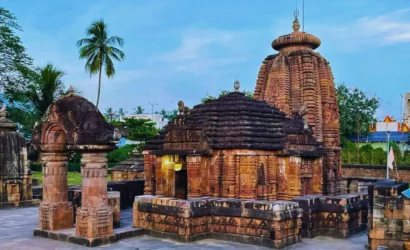
- Visit Mukteshwar Temple — smaller than Lingaraj but considered the gem of Odishan temple architecture for its elaborate carvings and beautifully proportioned toranas (archway).
- Drive to the Udayagiri and Khandagiri Caves (3 km from central Bhubaneswar) — 2nd century BCE Jain rock-cut caves with carvings of royal processions, elephants and lotus motifs. A short climb with excellent city views at the top.
Top Things to Do in East India – Quick Reference Table
| Activity / Experience | Best Locations in East India | Best Season / Months | Approx. Cost per Person* | Best For |
|---|---|---|---|---|
| Sunrise at Tiger Hill | Tiger Hill, Darjeeling, West Bengal | Oct–Dec, Mar–Apr (clearest skies) | ₹300–₹600 (cab + entry) | Everyone, couples, families |
| Toy train ride (joyride) | Darjeeling to Ghum, West Bengal | Oct–May (avoid heavy monsoon Jul–Aug) | ₹1,200–₹1,500 (joyride ticket) | Everyone, families, first-timers |
| Tea garden walk & tasting | Darjeeling, Kurseong, West Bengal | Mar–Nov (plucking season) | ₹300–₹800 (guided walk + tea tasting) | Couples, solo travellers, culture lovers |
| Kolkata heritage walk & food trail | Kolkata, West Bengal | Oct–Mar (pleasant temperature) | ₹500–₹1,500 (entry + food + transport) | Everyone, food lovers, first-timers |
| Sundarbans boat safari | Sajnekhali / Bali Island, West Bengal | Oct–Mar (best wildlife visibility) | ₹3,000–₹8,000 per person (2N package from Kolkata) | Wildlife lovers, friend groups, couples |
| Konark Sun Temple at dawn | Konark, Odisha | Oct–Feb (pleasant and dry) | ₹500–₹800 (entry + local transport) | Heritage lovers, couples, families |
| Jagannath Temple aarti & Puri beach | Puri, Odisha | Nov–Feb; avoid Rath Yatra for casual travel (too crowded) | ₹200–₹500 (local transport + food) | Spiritual travellers, families, everyone |
| Bodh Gaya & Nalanda visit | Bodh Gaya & Nalanda, Bihar | Oct–Mar (comfortable weather) | ₹400–₹1,000 (entry + cab + meals) | Spiritual seekers, heritage lovers, solo travellers |
| Chilika Lake dolphin boat ride | Satapada, Chilika Lake, Odisha | Nov–Mar (best dolphin sightings and migratory birds) | ₹600–₹1,200 (boat hire per group) | Families, nature lovers, couples |
| Bhubaneswar temple exploration | Bhubaneswar, Odisha | Oct–Mar | ₹300–₹800 (auto/cab + entry) | Heritage & culture lovers, spiritual travellers |
*All costs are rough, for Indian travellers, and meant only as planning guidance. Actual prices change by season, operator and how premium you go.
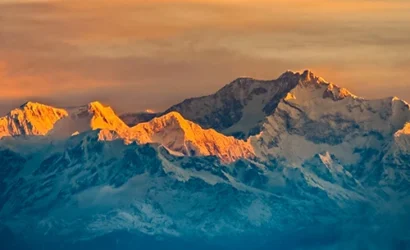
Sunrise at Tiger Hill
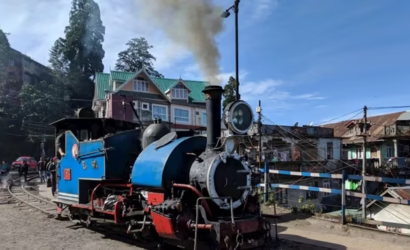
Toy train ride (joyride)
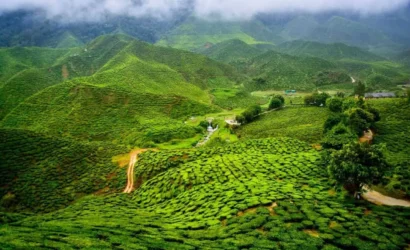
Tea garden walk & tasting
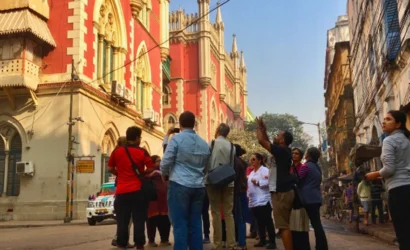
Kolkata heritage walk & food trail

Kolkata heritage walk & food trail
Konark Sun Temple at dawn
Jagannath Temple aarti & Puri beach
Bodh Gaya & Nalanda visit
Chilika Lake dolphin boat ride
Bhubaneswar temple exploration
Best Time to Visit East India (Season- & Month-wise Guide)
East India’s climate divides clearly between the hills (Darjeeling and North Bengal) and the plains (Kolkata, Odisha, Bihar and Jharkhand). The hills are best in spring and autumn with snow-free roads and clear mountain views; the plains are most comfortable in winter. Planning with destination first, season second matters especially for East India — Darjeeling in the monsoon can be both strikingly beautiful and logistically tricky.
Generally:
- Oct–Mar – best overall window for all East India zones, especially Odisha, Bihar and Kolkata
- Oct–Nov and Mar–Apr – the clearest months for Darjeeling and Kanchenjunga views
- Nov–Feb – ideal for Chilika Lake bird migration, Puri beach, Bodh Gaya and temple circuits
- Apr–Jun – warm and manageable in the hills; very hot and humid on the plains
- Jul–Sep – heavy monsoon on the plains; Darjeeling hills are lush but misty (limited mountain views); Sundarbans boats may be restricted
Month-wise Best Time to Visit East India
| Month / Season | Weather Snapshot | Best For | Caution Points |
|---|---|---|---|
| Jan–Feb (peak winter) | Clear, cool and dry across all East India plains; cold nights in Darjeeling (2–8°C); Kanchenjunga sharply visible | Odisha temple circuit, Puri beach, Bodh Gaya, Chilika Lake birds, Kolkata — all excellent. Best Darjeeling mountain visibility. | Very cold at Tiger Hill before dawn — carry heavy layers. Book Darjeeling hotels 45–60 days ahead in December–January. |
| Mar–Apr (spring) | Warming quickly on plains; Darjeeling at its most colourful — rhododendrons in bloom; excellent mountain clarity | Darjeeling (best months of year), Kolkata heritage (before heat builds), Sundarbans, early Odisha season | Plains heat rising fast by April — Kolkata and Bhubaneswar can be uncomfortable. Travel to Jharkhand waterfalls is dry season. |
| May–Jun (early summer) | Hot and very humid on plains; Darjeeling and Kalimpong pleasantly cool; pre-monsoon showers begin in hills | Darjeeling, Kurseong and Kalimpong — good school holiday hill escape from the heat of Kolkata and other plains cities | Darjeeling gets very crowded in May–June school holidays — book accommodation 60–90 days ahead. Jharkhand waterfalls are reduced (monsoon hasn’t started). |
| Jul–Aug (monsoon) | Heavy rain across all of East India; Darjeeling gets 60–70% of annual rainfall Jul–Aug; plains flood-prone | Darjeeling’s green monsoon (beautiful but misty — no mountain views); Jharkhand’s waterfalls at full peak (Hundru, Jonha) | Landslides can close Darjeeling hill roads; Sundarbans boat safaris restricted; Odisha coastal areas and Bihar plains can flood. Not ideal for most itineraries. |
| Sept (post-monsoon) | Rains clearing; hills washing out to clear blue skies; plains still humid but improving | Good value window for Darjeeling (post-monsoon clarity returning), early Odisha season, Kolkata Durga Puja (late Sep/Oct) — one of India’s most spectacular festivals | September in Darjeeling can still have cloud cover; check webcam before booking. Jharkhand waterfalls still strong — good time to visit. |
| Oct–Nov (post-monsoon) | Crystal clear in the hills; Kanchenjunga views at sharpest; pleasant across all plains | One of the best East India windows — Darjeeling, Kolkata (Durga Puja in Oct), Odisha, Bihar, Jharkhand — all at their best simultaneously | Kolkata’s Durga Puja (usually Oct) causes hotel price spikes and crowding in the city — extraordinary to witness but book 8–10 weeks ahead. |
| Dec (festive winter) | Cool and clear everywhere; peak season; Darjeeling at its coldest (can drop to 2–5°C) | All East India destinations — Odisha’s coast and temples especially. Kolkata at Christmas is atmospheric. Bodh Gaya draws large international Buddhist pilgrim groups. | Darjeeling accommodation peaks in late December — book very early. Bodh Gaya gets extremely crowded during the December Buddhist calendar festivals. |
Festival and special event dates to know:
- Durga Puja (Kolkata — Oct): The world’s largest outdoor art festival and Kolkata’s defining cultural event. Pandal-hopping through the city’s enormous decorated marquees is extraordinary but requires early hotel booking and patience with crowds.
- Rath Yatra, Puri (Jun–Jul): One of the world’s largest religious processions — millions of pilgrims pull the Jagannath chariot through Puri’s Grand Road. Deeply moving to witness but logistically very challenging for regular tourism. Book many months ahead if you want to be there.
- Rajgir Mahotsav (Oct–Nov): A cultural festival at Rajgir in Bihar combining classical dance, music and heritage walks — a good reason to add Rajgir to the Bihar circuit in this window.
How to Reach East India
East India is well connected from all major Indian cities by both flight and train. Kolkata is the primary hub — a large international airport with connections to all metros — and serves as the gateway to Darjeeling, Sundarbans, and onward to Bhubaneswar and Patna. Most travel into East India is by flight or overnight train.
Think of it like this:
- From North India (Delhi / Lucknow): Overnight Rajdhani/Duronto to Kolkata or Patna; or 2-hour flight to Kolkata, Patna or Bhubaneswar
- From South India (Bangalore / Chennai / Hyderabad): Direct flight to Kolkata (2–2.5 hrs) or Bhubaneswar (1.5–2 hrs); overnight train to Bhubaneswar or Kolkata for those who prefer rail
- From West India (Mumbai / Pune): Direct flight to Kolkata (2.5 hrs) or Bhubaneswar (2 hrs); overnight train to Kolkata (Gitanjali/Duronto Express) for a comfortable rail option
- Within East India: Kolkata–Bhubaneswar by flight (1 hr) or train (8–9 hrs overnight); NJP–Darjeeling by cab (3.5 hrs) or toy train (7–8 hrs)
Major Gateway Cities for East India Tourism
- Kolkata – primary hub for all East India; frequent flights from Delhi, Mumbai, Bangalore, Chennai, Hyderabad and international routes
- Bhubaneswar – main air gateway for Odisha; direct flights from Delhi, Mumbai, Bangalore, Hyderabad, Chennai
- Bagdogra – nearest airport to Darjeeling (80 km, 3 hrs by cab); flights from Delhi, Mumbai, Kolkata daily
- Patna – gateway for Bihar; flights from Delhi, Mumbai, Kolkata and Bengaluru; well connected by train to most north Indian cities
- Ranchi – gateway for Jharkhand; flights from Delhi, Mumbai, Kolkata and Hyderabad
- New Jalpaiguri (NJP) – railway junction for Darjeeling, Sikkim and North Bengal; served by major trains from Delhi, Mumbai and Kolkata
| Mode | Best For | Pros | Things to Watch Out For |
|---|---|---|---|
| Flight | Long-distance travellers from South or West India; those with limited leave days | Fast and direct to Kolkata, Bhubaneswar, Bagdogra, Patna and Ranchi; multiple airlines compete on these routes | Bagdogra to Darjeeling by road takes 3–3.5 hrs after landing — add this to your total travel day plan |
| Train | Budget families, groups, and those from North India | Excellent connectivity; Rajdhani and Duronto trains to Kolkata and Bhubaneswar are comfortable and punctual; scenic Darjeeling toy train as an experience in itself | Book 60 days in advance for Oct–Mar; NJP to Darjeeling by toy train takes 7–8 hrs — combine with a cab for time savings |
| Road / Self-drive | Intra-state trips within West Bengal, Odisha or Jharkhand | Very flexible within Odisha (Bhubaneswar–Puri–Konark circuit is excellent by car); Jharkhand's waterfall circuit works well by self-drive | Darjeeling mountain roads require an experienced hill driver — do not self-drive if unfamiliar with steep Himalayan roads |
| Cab with driver | Families covering the Darjeeling hills, Odisha circuit or Bihar Buddhist trail | Door-to-door; local drivers know terrain well; essential for navigating the Darjeeling hill roads safely | Hire drivers who specifically know hill routes for Darjeeling — city cab drivers from the plains are not suitable |
By Air
Kolkata’s Netaji Subhash Chandra Bose International Airport is the largest and busiest in East India, with connections to all major Indian cities and international flights to Southeast Asia, the Middle East and beyond. IndiGo, Air India, SpiceJet and Vistara cover most domestic routes. For Odisha, Biju Patnaik Airport in Bhubaneswar has direct flights from Delhi, Mumbai, Bangalore and Hyderabad. For Darjeeling, fly into Bagdogra taxis and shared jeeps connect to Darjeeling (80 km, 3–3.5 hrs on mountain roads). Book flights 30–45 days ahead for October–March travel.
By Train
East India has one of India’s oldest and most extensive railway networks. Key trains include the Rajdhani Express and Duronto Express (Delhi–Kolkata, 17–20 hrs), the Howrah–Chennai Mail (Kolkata–Bhubaneswar, 8 hrs), the Gitanjali Express (Mumbai–Kolkata, 32 hrs), and the Darjeeling Mail (Kolkata Sealdah–New Jalpaiguri, 10–11 hrs overnight). For Bihar, the Rajdhani from Delhi reaches Patna in 10–12 hours. Book 60 days in advance for peak season (Oct–Mar).
By Road
Road travel within East India works very well for the Odisha coastal circuit (Bhubaneswar–Puri–Konark–Chilika is a compact, well-maintained road loop) and within Jharkhand. The Darjeeling hill roads require a local mountain cab — the standard route from NJP to Darjeeling (80 km, 3.5 hrs) is well-maintained but steep and winding. For self-drive within Odisha and Bihar, highways are generally good but can have slow sections around pilgrimage towns during major festivals. Do not self-drive to Sundarbans — the delta is only accessible by boat.
Popular Experiences in East India
East India isn't just "places to visit" — it's different styles of trips suited to different kinds of travellers: a romantic hill station escape, a family heritage holiday, a spiritual pilgrimage, a wildlife safari, a food and culture deep dive into Kolkata, or an offbeat nature circuit through Jharkhand's forests. This section helps you match what kind of East India experience suits you right now to the right route and season.
Honeymoon in East India
East India has some of India's most atmospheric and underrated honeymoon settings — Darjeeling's misty colonial bungalows with Himalayan views, Kolkata's boutique heritage hotels and Puri's quieter beachside resorts.
Best honeymoon destinations in East India
- Darjeeling (West Bengal): The most classically romantic hill station in India — colonial-era bungalows with fireplaces, morning mist rolling over tea gardens, Kanchenjunga rising behind the clouds and the world's most famous toy train. The Windamere Hotel (built in 1887) and Glenburn Tea Estate are among India's most charming boutique stays.
- Kolkata — Heritage Hotels (West Bengal): Kolkata has a handful of beautifully restored colonial-era hotels and boutique guesthouses — The Oberoi Grand, ITC Royal Bengal and smaller heritage properties in Ballygunge — offering a sophisticated, literary city honeymoon.
- Puri — South Beach / Toshali Sands (Odisha): Quiet boutique resorts south of Puri's busy main beach offer a private, unhurried Odisha coast experience — temple mornings and beach evenings combined.
- Bhitarkanika & Chilika (Odisha): For adventurous honeymooners — a private boat through the Bhitarkanika mangroves (saltwater crocodile country) followed by a Chilika lakeside eco-stay. Completely offbeat and genuinely atmospheric.
Typical honeymoon budget (land only): Around ₹25,000–₹60,000 per person for 5–7 days — East India is significantly more affordable than Rajasthan or South India for comparable quality experiences. Darjeeling heritage bungalows start from ₹4,000/night; tea estate stays range ₹8,000–₹18,000/night.
Best months: Oct–Dec and Mar–Apr for Darjeeling (clearest mountain views); Nov–Feb for Odisha and Kolkata.
Family Tours in East India
East India is excellent for family travel — it is more budget-friendly than most other zones, culturally rich, well-served by overnight trains and has a range of activities that work for children, teenagers and elders alike.
Best family-friendly circuits
- Darjeeling Family Circuit: Fly into Bagdogra, drive to Darjeeling (3.5 hrs) — toy train joyride, Tiger Hill sunrise, tea garden walk, Himalayan Mountaineering Institute (HMI) museum and Zoo, Batasia Loop. 4–5 nights in Darjeeling with a day trip to Mirik or Kalimpong. Best in October or April.
- Kolkata + Darjeeling Combo: Fly into Kolkata (2 nights — Victoria Memorial, Howrah Bridge, food trail, science museum for kids), overnight train to NJP, then Darjeeling (3 nights). 7-day circuit that covers both city and hills. Very well-suited for families with children aged 8 and above.
- Odisha Family Temple & Beach Circuit: Fly into Bhubaneswar (1 night — Udayagiri caves, Odia cuisine), Puri (2 nights — Jagannath Temple, beach, Raghurajpur artisan village), Konark (day trip — Sun Temple), Chilika (1 night — dolphin boat ride). 5–6 day circuit — temple, beach and wildlife in a compact loop.
- Bihar Buddhist Heritage (for heritage-interested families): Fly into Patna (1 night), drive to Bodh Gaya (2 nights — Mahabodhi Temple, Great Buddha statue, Thai and Japanese monasteries), day trip to Nalanda and Rajgir. 4–5 day circuit — ideal for families with teenagers or older children interested in history.
Family budgets: A 5–7 day East India family trip typically costs ₹50,000–₹1,00,000 for 3–4 people (land only) — making East India one of the most affordable multi-experience zones in India for family travel.
Spiritual & Pilgrimage Circuits in East India
East India has one of India's richest and most diverse pilgrimage networks — from the Char Dham's Puri to the Buddhist heartland of Bihar to major Shakti and Jyotirlinga shrines across the zone.
- Odisha Pilgrimage: Puri (Jagannath Temple — one of the four sacred dhams), Bhubaneswar (Lingaraj Temple — Shiva), Konark (Sun Temple — Surya), Tarakesi and Alarnath temples nearby
- Bihar Buddhist Circuit: Bodh Gaya (enlightenment), Nalanda (learning), Rajgir (first sermon location), Vaishali (Ashoka's pillar), Patna Sahib (Sikh gurudwara — birth site of Guru Gobind Singh)
- West Bengal Shakti Circuit: Dakshineswar Kali Temple and Belur Math (Kolkata), Kalighat Kali Temple (Kolkata), Tarapith (Birbhum district — major Tantric Shakti shrine)
- Jharkhand Pilgrimage: Deoghar's Baidyanath Temple — one of the 12 Jyotirlingas — a major Shiva pilgrimage, especially crowded during Shravan (monsoon) month
Wildlife & Nature Experiences in East India
East India's wildlife is completely different from the tiger reserves of central India or the lion sanctuary of Gujarat — it is a zone of mangroves, wetlands, river dolphins and one-horned rhinoceroses (just across the border into Northeast India's Kaziranga).
- Sundarbans (West Bengal): Royal Bengal Tiger, saltwater crocodile, Olive Ridley turtle, Irrawaddy dolphin, Kingfishers and rare birds — explored entirely by boat
- Chilika Lake (Odisha): Irrawaddy dolphins, flamingos, bar-headed geese, grey pelicans — Asia's largest brackish lagoon and a Ramsar Wetland of International Importance
- Bhitarkanika National Park (Odisha): World's second-largest saltwater crocodile population, mangrove forests, Olive Ridley turtle nesting beaches (Gahirmatha — largest turtle nesting site in Asia)
- Betla National Park (Jharkhand): Elephant, tiger, leopard, gaur and nilgai in a forested plateau reserve — small, manageable and less crowded than the major MP parks
- Singalila Ridge, Darjeeling (West Bengal): Red panda habitat — trekking the Singalila Ridge above Darjeeling offers the best chance of spotting red pandas and Himalayan birds like Satyr tragopans
Honeymoon in East India
Family Tours in East India
Wildlife & Nature Experiences in East India
Spiritual & Pilgrimage Circuits in East India
Recommended East India Tour Packages
Himachal & Chandigarh Hill Stations Tour
Chandigarh, Dalhousie, Dharamshala, Manali, ShimlaPopular East India Itineraries (5–8 Days)
East India's clusters are distinct enough that most itineraries focus on one or two zones rather than trying to cover everything. Here are the most popular ready-made East India itineraries — use them as-is or adapt based on your travel dates, interests and group.
5-Day Darjeeling & North Bengal Hills — Tea, Trains & Mountains
The classic first East India trip — one of India's most beloved hill stations, a UNESCO toy train, sunrise over Kanchenjunga and India's finest tea. Fly in and fly out via Bagdogra.
- Day 1: Fly into Bagdogra, cab to Darjeeling (3.5 hrs) — evening on Mall Road, Chowrasta, sunset views over the valley
- Day 2: Pre-dawn drive to Tiger Hill for Kanchenjunga sunrise — return via Batasia Loop, then Himalayan Mountaineering Institute and Padmaja Naidu Himalayan Zoological Park (red panda, snow leopard)
- Day 3: Toy train joyride (Darjeeling to Ghum return, 2 hrs) — afternoon at Happy Valley Tea Estate walk and tasting
- Day 4: Day trip to Mirik (1.5 hrs from Darjeeling) — boating on Sumendu Lake, orange orchards, peaceful valley views
- Day 5: Morning at Darjeeling market and Observatory Hill — cab down to Bagdogra, fly home
7-Day Bengal & Odisha — Heritage, Temples & Coast
The most complete East India introduction — India's most culturally layered city followed by one of its most extraordinary ancient temple circuits on the Odisha coast.
- Day 1–2: Fly into Kolkata — Victoria Memorial, Howrah Bridge walk, Dakshineswar Kali Temple, Park Street food trail, heritage tram ride
- Day 3: Fly or overnight train Kolkata–Bhubaneswar — Lingaraj Temple, Mukteshwar Temple, Udayagiri caves afternoon
- Day 4: Drive Bhubaneswar–Puri (1 hr) — Jagannath Temple, Puri beach evening, seafood dinner on Marine Drive
- Day 5: Morning at Konark Sun Temple (45 min from Puri) — Chandrabhaga beach, Raghurajpur artisan village (Pattachitra painting village)
- Day 6: Drive to Chilika Lake (1.5 hrs) — morning dolphin boat safari at Satapada, Nalabana bird sanctuary, lunch at lakeside
- Day 7: Drive back to Bhubaneswar (1.5 hrs), fly home
6-Day Bihar Buddhist Heritage Trail — Bodh Gaya, Nalanda & Rajgir
One of the world's great heritage circuits — the heartland of Buddhism and one of the most spiritually significant journeys any Indian traveller can make. Compact, well-connected by road and deeply rewarding.
- Day 1: Fly into Patna — afternoon visit to Patna Museum (Mauryan artifacts, Didarganj Yakshi), Patna Sahib Gurudwara
- Day 2: Drive Patna–Bodh Gaya (2.5 hrs) — arrive, check in, evening at Mahabodhi Temple for evening prayers and circumambulation of the Bodhi Tree
- Day 3: Full day Bodh Gaya — Mahabodhi Temple complex at dawn, Great Buddha Statue, Thai/Japanese/Tibetan monasteries, evening meditation session
- Day 4: Drive to Nalanda (90 km, 2 hrs) — Nalanda ruins excavation site and museum; drive to Rajgir (12 km) — Vishwa Shanti Stupa (ropeway), Venuvan and Rajgir hot springs
- Day 5: Drive to Vaishali (150 km from Rajgir, 3 hrs) — Ashoka Pillar, Buddha Relic Stupa, Coronation Tank; drive to Patna (60 km)
- Day 6: Morning at Patna — Kumhrar (Mauryan palace excavation), fly home from Patna
5-Day Sundarbans & Kolkata — Mangroves, Tigers & City Culture
A deeply satisfying East India combination — India's most atmospheric city followed by its most unique wildlife experience. Available as a single 5-day loop entirely from Kolkata.
- Day 1: Fly into Kolkata — afternoon at Victoria Memorial, evening on Park Street and Flurys for Kolkata's legendary confectionery and brasserie
- Day 2: Full Kolkata day — Howrah Bridge dawn walk, Malik Ghat flower market, Kalighat Kali Temple, North Kolkata heritage walk (Jorasanko Tagore house), street food trail (kathi rolls, puchka, mishti doi)
- Day 3–4: Sundarbans 2N package — drive to Godkhali jetty (3.5 hrs from Kolkata), boat into the Sundarbans core zone, Sajnekhali Wildlife Sanctuary visit, afternoon and morning boat safaris through mangrove channels, river camp night
- Day 5: Return to Kolkata by afternoon — last evening at New Market or Dakshinapan for Kolkata handicrafts, fly home
Frequently Asked Questions about East India Tourism Guide
The best time to visit East India is October to March, when the weather across West Bengal, Odisha, Bihar and Jharkhand is dry, pleasant and ideal for sightseeing. Darjeeling is clearest from October to December and again in March–April for Kanchenjunga views. Odisha's coast and temple circuit is best November to February. The Sundarbans is most comfortable in winter (Nov–Feb). Avoid June to September on the plains — humidity and rainfall make long sightseeing days difficult, though Darjeeling hills are lush and Jharkhand's waterfalls peak in the monsoon.
East India is one of the most affordable tourism zones in India. A 3–4 day Darjeeling break or Kolkata city trip costs ₹10,000–₹20,000 per person (land only). A 5–7 day Odisha temple and coastal circuit costs ₹18,000–₹38,000 per person. A Bihar Buddhist circuit for 5–6 days runs ₹15,000–₹32,000 per person. A 2-night Sundarbans package from Kolkata costs ₹8,000–₹18,000 per person including boat safaris. Jharkhand's waterfall circuit is the most budget-friendly, often under ₹12,000 per person for 3–4 days.
First-time visitors should start with Kolkata (2 nights) as the cultural and culinary base, then add either Darjeeling (3 nights — toy train, Tiger Hill sunrise, tea gardens) or the Odisha circuit (Bhubaneswar, Puri, Konark, Chilika Lake — 4–5 days). Bihar's Buddhist circuit (Bodh Gaya, Nalanda, Rajgir) is an excellent dedicated 4–5 day trip for heritage and spirituality seekers. The Sundarbans (2 nights from Kolkata) works well as an add-on to a Kolkata visit for wildlife lovers.
Yes — East India is safe and well-suited for family travel. Kolkata is one of India's most welcoming cities with excellent food, safe public transport and comfortable accommodation across all budgets. Darjeeling is very family-friendly — toy train rides, zoo visits and mountain views work for every age. Odisha's Puri has one of India's safest and most comfortable beach setups. The Sundarbans requires a guided boat trip and is well managed by registered operators, making it perfectly safe for families. Avoid the peak summer heat (May–June) for the plains destinations with young children and elders.
The most popular 7-day East India itinerary is the Bengal & Odisha Circuit: fly into Kolkata (2 nights — Victoria Memorial, food trail, Howrah Bridge), fly or train to Bhubaneswar (1 night — Lingaraj Temple, caves), drive to Puri (2 nights — Jagannath Temple, beach), Konark day trip (Sun Temple), Chilika Lake (1 night — dolphin safari), fly from Bhubaneswar. Another excellent 7-day option is Kolkata + Darjeeling: Kolkata city (2 nights), overnight train to NJP, Darjeeling (4 nights — Tiger Hill, toy train, tea estates, Batasia Loop), fly from Bagdogra.
Darjeeling is better for families who want a hill station experience with toy train rides, mountain views and cool temperatures — especially good for summer travel (May–June school holidays) when the plains are unbearably hot. Odisha is better for families who want a combination of temple heritage, beach and wildlife in one trip — Puri beach is one of India's most family-friendly, and Chilika Lake's dolphin boat rides delight children. Both are excellent. For a May–June school holiday trip, Darjeeling wins clearly on weather. For an October–February winter trip, Odisha's coast and temples are exceptional.
Yes — the Sundarbans is one of India's most unique wildlife experiences. It is the world's largest mangrove delta and the only place where Bengal tigers live in a tidal, estuarine environment and swim between islands. You explore entirely by boat rather than jeep — a completely different and atmospheric experience. Tiger sightings are not guaranteed (the forest is very dense), but the river scenery, saltwater crocodiles, remarkable birdlife and sheer scale of the delta are worthwhile in themselves. Book through a WBFDC-registered operator or reputable eco-camp from Kolkata and plan at least 2 nights.
Top experiences include: watching sunrise over Kanchenjunga from Tiger Hill in Darjeeling, riding the UNESCO Darjeeling Himalayan Railway toy train, a Sundarbans boat safari through mangrove channels, standing before the Konark Sun Temple at dawn, visiting the Jagannath Temple in Puri, sitting under the Bodhi Tree in Bodh Gaya, a morning food trail through Kolkata's streets (kathi rolls, puchka, mishti doi), a Chilika Lake dolphin and flamingo boat ride, exploring Nalanda's ancient university ruins and a heritage walk through Kolkata's colonial architecture.
From Delhi, Kolkata is 2 hours by flight or 17–24 hours by Rajdhani overnight train. Patna (for Bihar) is 1 hour by flight or 12 hours by train. From Mumbai, Kolkata is 2.5 hours by flight; Bhubaneswar is 2 hours by direct flight. From Bangalore, Kolkata is 2.5 hours by flight; Bhubaneswar is 1.5 hours directly. For Darjeeling, fly into Bagdogra from Delhi (2 hrs), Mumbai (2.5 hrs) or Kolkata (45 min) and take a cab to Darjeeling (80 km, 3–3.5 hrs).
For Darjeeling in winter (Oct–Feb), carry warm layers — Tiger Hill at 4 AM can be 2–5°C. For spring visits, light layers and a waterproof jacket suffice. For Kolkata, light cottons work year-round — the city is warm even in winter. For the Sundarbans, wear neutral-coloured long-sleeved clothing, carry strong insect repellent, sunscreen and binoculars. For Odisha's temple circuit, pack modest clothing — shoulders and knees should be covered for all temple entries. Footwear that slips on and off easily helps enormously when visiting multiple temples in one day.
Our Featured Blogs for East India Tourism Guide
Vietnam Itinerary for 7 Days from India: Hanoi, Ha Long Bay, Da Nang & Hoi An
Plan 7 days in Vietnam from India: Hanoi, Ha Long...
Andaman Islands in November – Best Time, Weather and What to Do
The Andaman Islands in November feel like the islands are...
Rajasthan Trip Cost for 5 Days – Budget, Mid-Range and Luxury Breakdown
A Rajasthan Trip Cost for 5 Days can be surprisingly...
Goa in November – Weather, Beaches and Is It Worth It?
Goa in November is that sweet spot when the monsoon...
Manali in December – Snow, Roads, Temperature and What to Expect
Manali in December feels exciting before you even reach. You...
Kerala Houseboat Cost – What a Night on the Backwaters Actually Costs
A Kerala houseboat sounds simple until you start checking prices....

Thailand Honeymoon Guide – Best Islands and Resorts
A Thailand honeymoon is perfect when you want beaches, island-hopping,...
Bangkok Travel Guide – Temples, Street Food and Markets
Bangkok is not a city you “explore” in one trip....
7 Days India Itinerary: A Realistic, Experience-Driven Travel Plan
Planning a 7 Days India Itinerary can feel overwhelming at...
South India Temple Circuit: A Journey Through 2,000 Years of Architecture and Devotion
The South India temple circuit connects some of India’s most...

Andaman Islands Travel Guide: Beaches, Diving & How to Plan Your Trip
Andaman Islands Travel Guide: The Andaman Islands are India’s most...
Northeast India Travel Guide: The Part of India Most Travelers Have Never Considered
Northeast India offers some of the most unique travel experiences...