
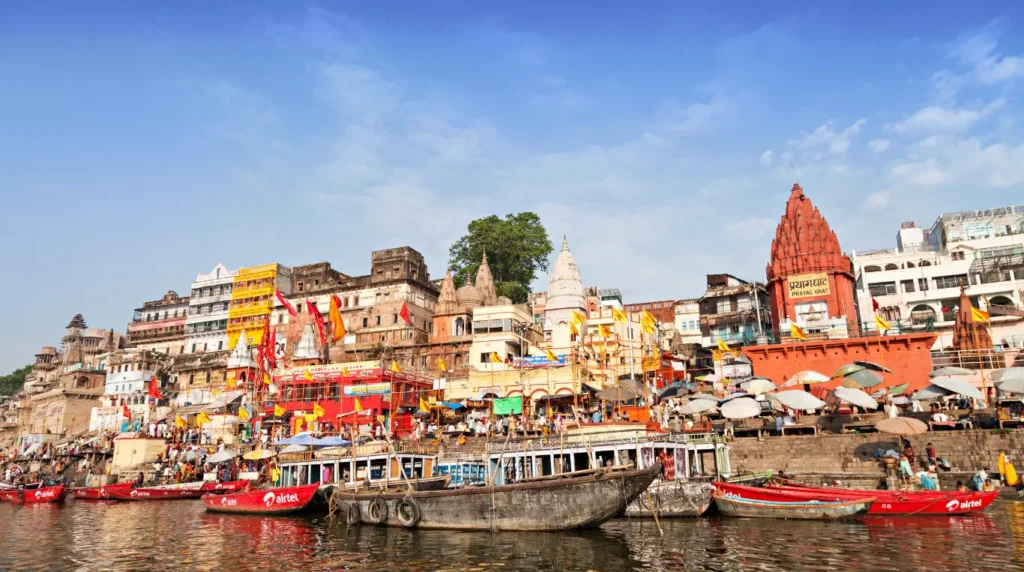
India remains one of the world’s most affordable destinations. A budget traveler can comfortably explore the country on ₹2,500–₹4,000 per day, covering accommodation, food, and transport. By prioritizing trains, local eateries, and boutique hostels, you can experience the heart of India without compromising on the essentials. If you are planning to travel India, this India budget travel guide will help you to travel India in budget without missing out.
India offers a gift to the budget traveler that almost no other country can match:
- The Taj Mahal: Entry for foreign nationals is ₹1,100 (approx. $13), while Indian citizens pay ₹50.
- Dining: A full, nutritious thali at a clean local restaurant costs between ₹180 and ₹300.
- Transport: A 14-hour overnight journey in a Sleeper Class train costs ₹600–₹950 and includes a berth for the night.
- Accommodation: A high-quality hostel dorm bed in a city like Jaipur costs ₹800–₹1,200 per night.
If you’ve been priced out of backpacking in Europe or North America, the economics of India are genuinely startling.
Budget travel in India isn’t just about spending less; it’s about knowing how the system works. “Getting it wrong” doesn’t just drain your wallet, it places you on the wrong side of a fundamental gap. There is the India that truly exists, and then there is the India that has been packaged and marked up for visitors who don’t know any better.
This guide covers the essentials for the modern traveler:
Expert Decisions: The specific choices experienced travelers make to avoid “tourist pricing.”
Realistic Daily Costs: Living well on a budget in 2026.
The Rail Network: How to book and navigate the world’s most complex train system.
Smart Stays: Finding guesthouses and hostels that offer safety and community.
Safe Street Food: How to eat locally and stay healthy.
The Realistic Daily Budget
Here’s what you actually spend, across three levels of comfort:
| Category | Shoestring (₹/day) | Budget (₹/day) | Mid-Range (₹/day) |
| Accommodation | ₹500-800 (dorm) | ₹1,000-2,000 (private room) | ₹3,000-7,000 (heritage guesthouse) |
| Food (all meals) | ₹200-400 | ₹500-900 | ₹1,200-2,000 |
| Local transport | ₹100-200 (metro/bus) | ₹300-600 (metro + autos) | ₹800-1,500 (private car) |
| Attractions & guides | ₹100-300 | ₹300-700 | ₹700-1,500 |
| Daily total per person | ₹1000-1,900 | ₹2,500-5,000 | ₹6,500-18,000 |
| USD equivalent | $15-$25 | $30-$60 | $75-$160 |
The Couple’s Advantage
Traveling as a pair is significantly more cost-effective than traveling solo in India.
- Accommodation: A comfortable private room costing ₹1,800 drops to ₹900 per person when shared.
- Transport & Food: While these costs remain relatively static, the overall per-person daily total for a couple traveling mid-range often works out 25% to 35% lower than the solo equivalent.
Factoring in Sightseeing
The attraction costs in this guide assume you are visiting major UNESCO World Heritage sites and paying the standard foreign visitor rates.
- Major Sites: Budget for the Taj Mahal (₹1,100) and Amber Fort (₹650) as your “big ticket” items.
- Local Sites: Most temples, local gardens, and smaller monuments are either free or cost a nominal ₹50–₹100.
- Pro Tip: If your itinerary is heavy on heritage sites, factor these entry fees as a separate “bucket” outside your daily living budget.
The Most Critical Decision: Transport
The single most important budget decision you will make in India is how you move between cities.
- The High Road: If you get the rail and local transit system right, you save thousands of rupees over a two-week trip.
- The Tourist Trap: If you get it wrong, you end up overpaying for private taxis or “luxury tourist buses” that often deliver a slower, less authentic, and more expensive experience.
Successful budget travel in India isn’t just about spending less; it’s about choosing the right kind of movement.
The Train Network: The Budget Travellers’ Most Important Tool
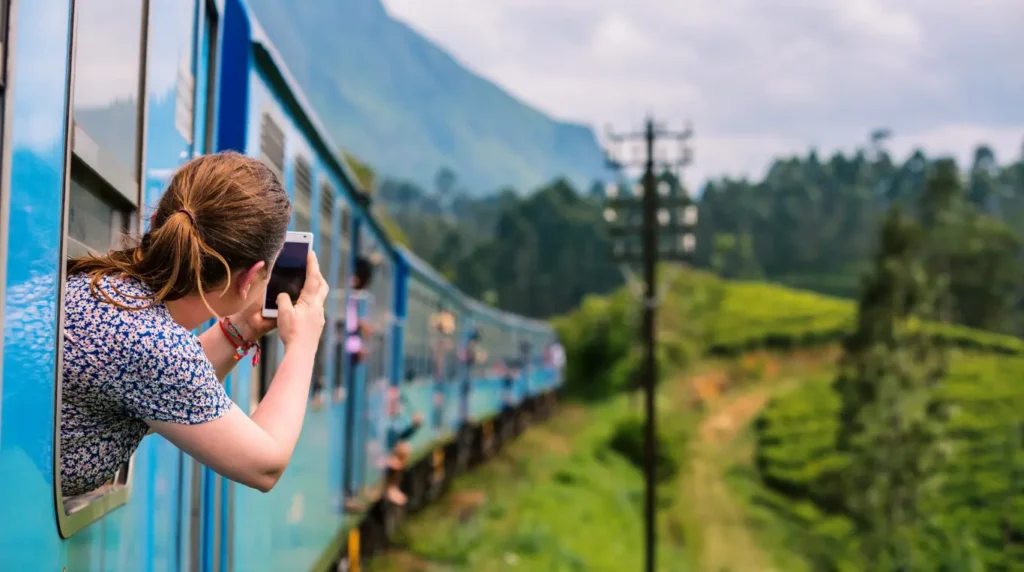
India’s rail network is the single most important infrastructure decision for a budget traveler. Getting it right saves both time and money.
Sleeper Class (SL): The Budget Workhorse
- The Cost: Expect to pay ₹450–₹750 for major routes like Delhi to Varanasi.
- The Value: A 12-hour overnight journey serves as both your transport and your accommodation. This “double-value” arithmetic is what makes Indian rail travel unbeatable for budget backpackers.
- The Reality: These are non-air-conditioned berths. In the peak of summer (May–June), they can be very warm. In the winter (December–January), they can be surprisingly cold.
3AC (Third-Class AC): The Balanced Choice
- The Cost: Usually ₹1,100–₹1,400 for major routes.
- The Upgrade: You get the same berth layout as Sleeper but with air conditioning, cleaner compartments, and provided bedding (pillow, sheets, and blanket).
- The Decision: If you are traveling during the summer or simply value a better night’s sleep, 3AC is almost always worth the extra ₹600–₹800.
How to Book in 2026
The booking landscape has become more secure and digitized. Here is what you need to know:
Local SIM: While you can use a foreign number for IRCTC, getting a local SIM at the airport remains highly recommended for receiving real-time SMS alerts about platform changes and train delays.
Register Early: Use the IRCTC app (irctc.co.in). International travelers can now register using a foreign mobile number (ISD code other than +91) for a small registration fee of ₹100 + GST.
The Foreign Tourist Quota: International travelers and NRIs can book tickets under this special quota up to 365 days in advance. This is a lifesaver when general seats are “Sold Out.” You will need to provide your passport number at the time of booking.
Tatkal & KYC: If you need a last-minute ticket, the Tatkal quota opens 24 hours before departure at a 25–50% premium. Important for 2026: Mandatory Aadhaar/KYC authentication (or passport verification for foreigners) is now required to access the Tatkal booking window to prevent bot bookings.
Accommodation: The Three Categories That Matter
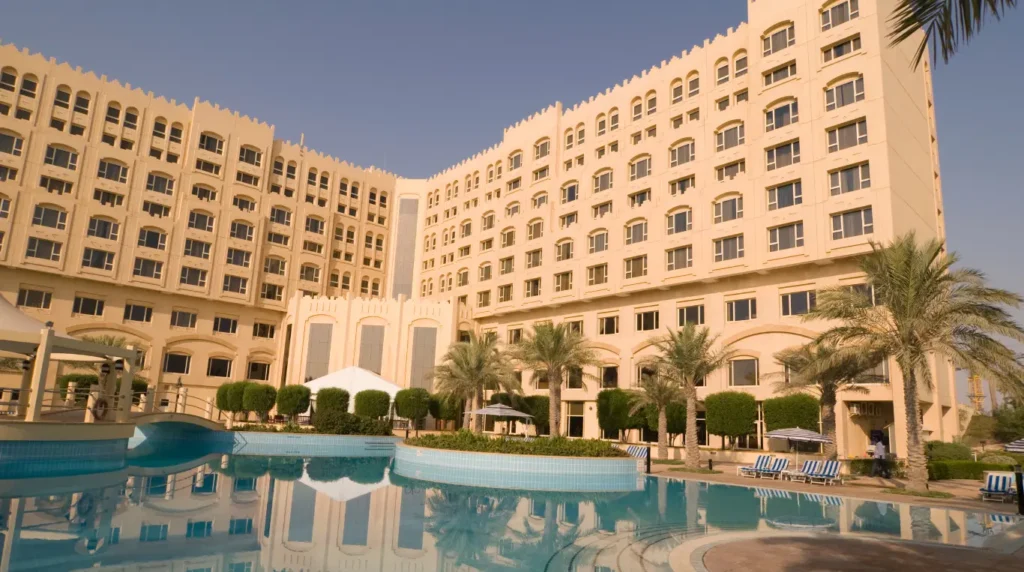
1. Modern Hostels (₹500–₹1,400 dorm / ₹1,800–₹3,500 private)
India’s hostel scene has exploded over the last decade, offering a level of cleanliness and community that rivals, and often surpasses, European counterparts at a fraction of the cost.
- The Big Three: Zostel, Moustache, and The Hosteller are the gold standards. They offer reliable Wi-Fi, air conditioning, secure lockers, and vibrant social spaces.
- Zostel: The most extensive network with over 100 locations, including Varanasi, Rishikesh, and Fort Kochi.
- Moustache: Often considered the “premium” budget option, focusing on superior design and curated local experience tours. Their locations in Jaisalmer and Udaipur are legendary.
- Booking Tip: For peak season (October–February), book 2 to 4 weeks in advance. For major festivals like Diwali, Holi, or the Pushkar Camel Fair, you must book 2 to 3 months ahead, as dorms sell out completely.
2. Budget Guesthouses (₹1,000–₹3,000 per night)
The traditional Indian guesthouse network (lodges or homestays) provides private rooms with attached bathrooms at prices that often seem too good to be true.
- Varanasi: A clean private room with a Ganga view typically costs ₹1,200–₹2,000.
- Gokarna: A simple beachside hut ranges from ₹800–₹1,500.
- Pushkar: A rooftop room with a lake view averages ₹1,000–₹2,200.
- The Review Rule: Ignore the overall rating. Look exclusively at reviews from the last three months on Google Maps or Booking.com. A 4.0+ rating with recent activity is a green light; a 4.8 rating from three years ago is a red flag.
3. Ashrams and Dharamshalas (₹400–₹800 per night)
In spiritual hubs like Rishikesh, Varanasi, and Bodh Gaya, ashrams offer a unique, no-frills experience that is deeply tied to Indian culture.
Logistics: While walk-ins are sometimes possible, an advance email or phone inquiry is highly recommended for the more reputable ashrams during peak spiritual seasons.
The Experience: Rooms are simple and clean, often including basic vegetarian meals. The Sivananda Ashram in Rishikesh is a prime example, offering rooms and a daily yoga program for a nominal contribution.
Eating in India on a Budget: What Works and What Doesn’t
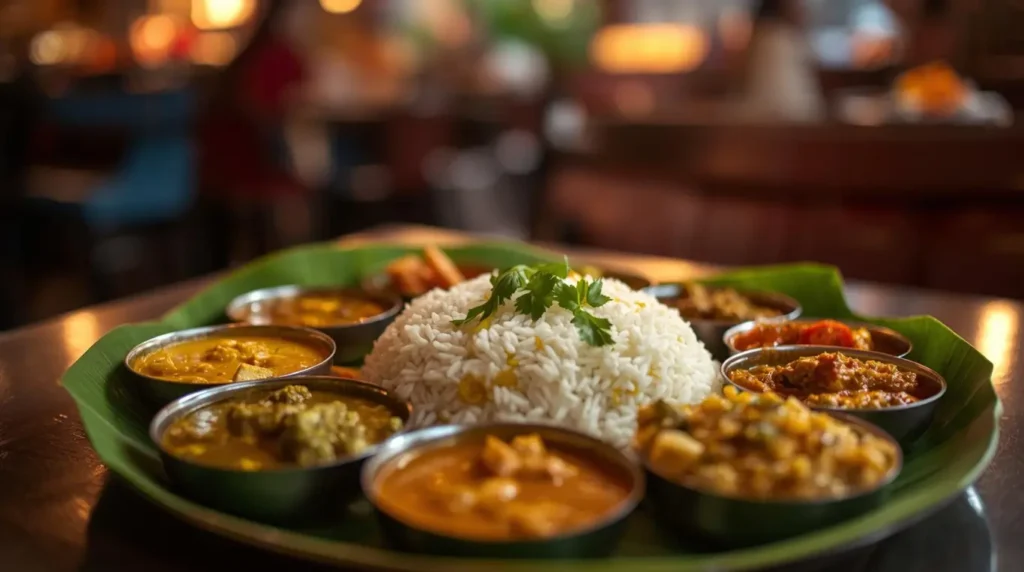
India’s street food and local restaurant scene represent one of the world’s greatest culinary traditions. It is also extraordinarily affordable, provided you know where—and how—to eat.
The Foundation: The Thali and “Meals”
- The North Indian Thali: A metal platter featuring dal, seasonal vegetables, rice, roti, pickle, and papadum. In a clean local restaurant, this full meal costs ₹150–₹250.
- South Indian “Meals”: Many restaurants serve unlimited versions (rice topped up whenever empty, fresh curries brought out as others run low) for ₹120–₹200.
- Why it Works: These are the staple lunches for millions of Indian professionals every day. The quality is consistent, the turnover is high, and the nutritional value is excellent.
The Street Food Economy
The most authentic flavors in India are often the cheapest. In 2026, expect these typical prices:
- Puri Bhaji (Varanasi): ₹40–₹60
- Vada Pav (Mumbai): ₹25–₹35
- Masala Dosa (South India): ₹50–₹90
- Kachori (Rajasthan): ₹30–₹40
- Chai (Everywhere): ₹10–₹20
The Street Food Safety Code
The “Delhi Belly” is a real concern, but it is manageable if you follow the rules experienced travelers use:
- Watch the Cook: Freshly made and served steaming hot is the most reliable safety signal. Heat kills most bacteria.
- Follow the Crowd: High turnover is your best friend. A stall with 20 local customers has faster stock rotation than an empty one.
- The “Raw” Rule: Avoid cut fruit, raw salads, and unpeeled vegetables. Stick to fruits you peel yourself, like bananas or oranges.
- Water Wisdom: Only drink bottled water with a sealed cap, or water you have purified yourself. Avoid ice cubes in street drinks.
- Safe Bets: Freshly fried snacks (Pakoras, Samosas), hot Chai, and freshly cooked Tandoori items are consistently safe.
Avoiding the “Tourist Restaurant Trap”
The most expensive meals in India are often the worst. The “all-day breakfast” cafe with a laminated menu and a roof terrace may charge ₹500 for a mediocre meal. Walk two blocks away from the main tourist drag, find a place crowded with locals, and you’ll likely pay ₹200 for the best meal of your trip.
City Transport: What to Use and What to Avoid
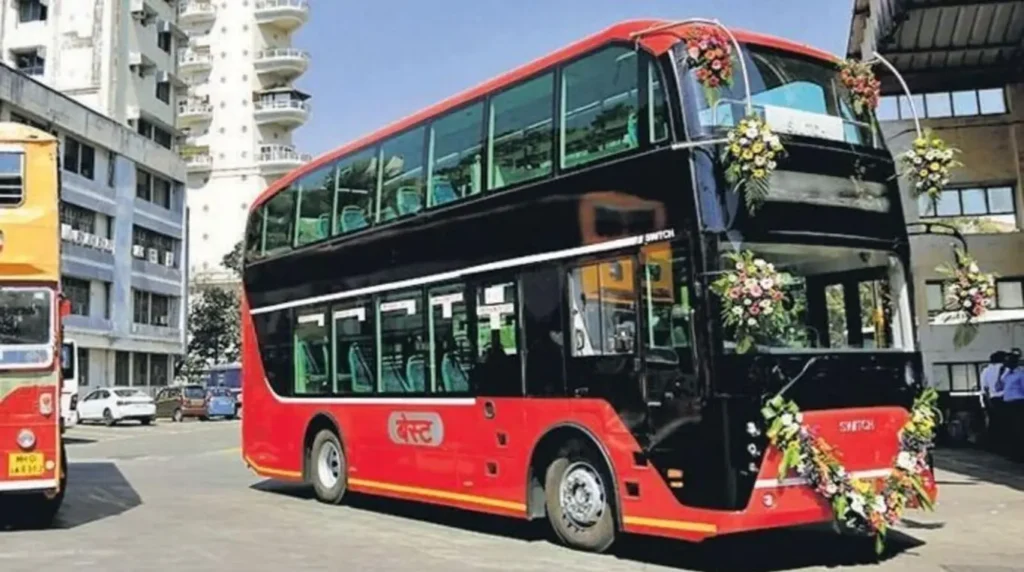
Getting around Indian cities has become significantly easier and more transparent. For the budget traveler, the goal is to balance cost with “mental bandwidth.”
1. The Digital Default: Ola and Uber
App-based auto-rickshaws and taxis (Ola and Uber) should be your default for city movement.
- The Advantage: GPS-tracked journeys, fixed prices shown upfront, and seamless digital payments. No negotiation required.
- The Cost: A 5km auto-rickshaw ride typically costs ₹50–₹90 in most major cities.
- The Pro Tip: This is not the place to over-economize. Attempting to negotiate with unmetered roadside drivers might save you ₹20, but the time, stress, and potential for “tourist pricing” make the app-based alternative far superior.
2. The Metro Revolution
The metro systems in Delhi, Bengaluru, Mumbai, Hyderabad, Chennai, Jaipur, and Kochi are world-class, clean, air-conditioned, and remarkably reliable.
- The Cost: Between ₹15 and ₹70 per journey.
- The Highlight: The Delhi Metro now spans over 390km across multiple lines, connecting every major historical site and transport hub in the capital.
- The Decision: Using the Metro for sightseeing in Delhi is the single best budget decision you can make. It bypasses the city’s legendary traffic and provides a cool refuge from the midday heat.
3. The Local’s Secret: Shared Autos
In many Indian towns and cities, informal shared auto-rickshaws and minibuses run fixed routes.
How to Find Them: These aren’t always obvious to new arrivals. However, if you head to a main junction or auto stand and mention your destination, locals will quickly point you toward the right “shared” route. It is the most authentic, and cheapest, way to move like a local.
The Cost: Only ₹10–₹25 per head for cross-city travel.
Also Read: North India Tour 10 Days: Delhi, Taj Mahal, Jaipur, Varanasi & Rishikesh Itinerary
The Decisions That Separate Budget Travelers from Expensive Ones
1. The “Dynamic Gap” in Domestic Flights
India’s budget airlines (IndiGo, Air India, and Akasa Air) use aggressive dynamic pricing.
- The Math: The cost difference between booking 8 weeks out versus 2 weeks out is often 200% to 300%.
- Example: A Jaipur-to-Varanasi flight booked 8 weeks in advance might cost ₹3,200, while the same seat 10 days before departure can soar to ₹11,000.
- The Strategy: Book your internal flights the moment your dates are confirmed. This is the single largest variable in your travel budget.
2. Intelligent Off-Season Travel
While the winter (November–February) is peak season, shoulder months offer massive savings if you can manage the climate.
- The April–June Window: Rajasthan hotel rates can drop by 50% to 60%. The catch? A “morning-only” sightseeing strategy is mandatory to avoid the midday heat.
- The September Sweet Spot: This is the “insider’s” favorite month. The monsoon has washed the landscape lush and green, the air is dust-free and clear, and the wildlife parks are reopening. Prices haven’t yet spiked to peak-season levels, and crowds are minimal.
3. The “One Block” Philosophy
In every major destination—whether the back lanes of Agra Fort, the streets behind Jaisalmer Fort, or the alleys of Fort Kochi—the same rule applies:
- Walk one block further. * Accommodations and restaurants just one street away from the main tourist drag typically cost 40% to 60% less. The rooms are quieter, the food is more authentic, and you are no longer paying the “convenience tax” charged to those who won’t explore.
4. The Digital Skeleton Key: The Local SIM
Getting a local SIM isn’t just a budget tip; it’s a travel fundamental.
The Access: This unlocks UPI payments (now widely used via apps like PhonePe or GPay), Ola/Uber, Google Maps, and IRCTC updates. Navigating 2026 India without a local data connection is unnecessarily difficult.
The Setup: Visit a Jio or Airtel kiosk in the airport arrivals hall on Day 1.
The Cost: Approximately ₹600–₹900 for a 28-day plan with ample daily data.
The 5 Most Common Budget Mistakes in India
Location Blindness: Always verify a guesthouse address on Google Maps before booking. “Near the Old City” can often mean a 30-minute, expensive commute from the sites you actually want to see.
Engaging with Touts: Never trust anyone claiming to be “Government Approved” at a train station or airport. Official tourist offices have fixed addresses; anyone approaching you is a middleman looking for a commission.
The “Tourist Bus” Trap: Avoid “all-inclusive” private tourist buses between cities. They are often 30% slower than trains, charge a 50% premium, and make frequent stops at commission-paying gift shops.
Negotiating Unmetered Transport: Haggling with a roadside auto-rickshaw driver is stressful and rarely saves more than ₹30. Use Ola or Uber for fixed, fair pricing and GPS safety.
Overpaying for Water: Tourist-facing cafes often charge ₹30–₹40 for bottled water. Local kirana (grocery) shops sell the same bottles for ₹15–₹20. Over two weeks, this adds up.
Also Read: Best Time to Visit India: Month-by-Month Guide for Every Region 2026
Frequently Asked Questions: India Budget Travel Guide
How much cash should I carry?
Keep ₹5,000 to ₹8,000 in cash at any time for local markets, street food, and auto-rickshaws.
- ATMs: Machines from HDFC, ICICI, and Axis Bank are the most reliable for international cards. Note that in 2026, most Indian ATMs charge a convenience fee of ₹200 to ₹400 per withdrawal for foreign cards. To minimize fees, withdraw the maximum allowable amount (usually ₹10,000) less frequently.
- Digital Payments (UPI): In 2026, the “UPI One World” wallet allows international tourists to pay by scanning QR codes just like locals. You can set this up at the airport using your passport and a local SIM; it is accepted at almost every stall and shop in India.
What’s the cheapest month to visit India?
April to June is the lowest-price window. Hotel rates drop by 40% to 60% and international flights are significantly cheaper. The trade-off is the intense heat of the northern plains.
- The Budget “Sweet Spot”: September to early October. Prices remain 25% to 40% below peak, the landscape is lush after the monsoon, and the weather is far more manageable than the summer heat.
Is India safe for budget solo travel?
Yes, it is remarkably well-developed for solo travelers. Following this circuit means you are always within a robust tourism infrastructure.
- Key Precautions: Always use Ola or Uber for city movement (GPS tracking is a vital safety feature). Stay in accommodations with at least 20+ reviews from the last 90 days.
- Solo Female Travelers: Cities like Jaipur, Rishikesh, and Fort Kochi consistently receive high safety ratings from solo female travelers. Kerala, in particular, is often cited as the most comfortable state for independent exploration.
Are there any high-quality experiences that are free?
India’s most authentic experiences often cost nothing. * The Golden Temple (Amritsar): Entry is free, and the Langar (community kitchen) serves free, nutritious meals to over 100,000 people daily, regardless of faith.
Architecture & Markets: Walking through the colonial streets of Fort Kochi, the heritage lanes of Old Delhi, or the flower markets of Jaipur costs nothing but offers a lifetime of memories.
Ganga Aarti (Varanasi): While boats cost money, watching the ceremony from the ghat steps is free and often provides a more immersive atmosphere.
Mysuru Palace: Every Sunday and public holiday (7:00 PM – 8:00 PM), the palace exterior is illuminated by nearly 100,000 light bulbs. Viewing this spectacle from the main road is completely free.