

Vietnam’s cities offer different starting points for a holiday, from Hanoi’s old streets to Ho Chi Minh City’s busy urban neighbourhoods and the coastal bases of central Vietnam. This guide to must visit cities in Vietnam compares seven places by the experiences nearby and the time they need. Choose a few connected stops rather than trying to visit every destination in one week. Continue planning with Vietnam itinerary for 7 days from India and best places to visit in Vietnam and Vietnam trip cost guide.
The destinations below suit different travel styles. Compare the city experiences and nearby excursions, then choose a route with enough time for transfers and rest.
Famous Cities of Vietnam
Planning a Vietnam trip in 2026? Discover 7 must-visit cities from Hanoi to Sapa, with travel tips, top attractions, and local food recommendations for an unforgettable journey.
1. Hanoi – The Timeless Capital
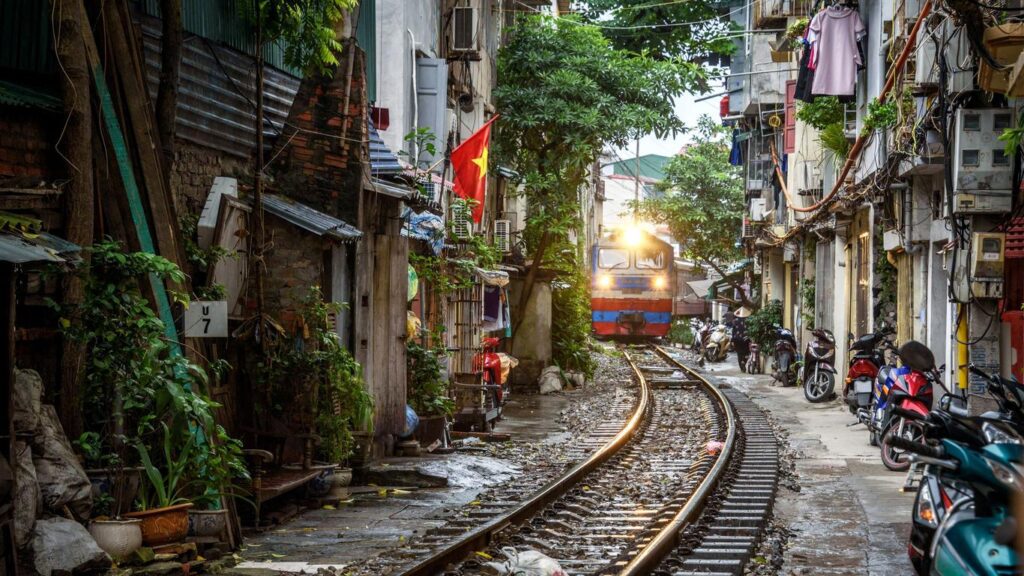
Hanoi’s Old Quarter brings together narrow streets, small shops, cafés and a busy street-food scene. Explore it in short walks, allow for traffic and uneven pavements, and combine it with time around Hoan Kiem Lake.
Why visit: Hanoi blends chaos and charm in the best way possible. You can sip egg coffee in a tucked-away café one minute and wander through ancient temples the next.
Must-Do Moments:
- Get lost in the Old Quarter’s maze of streets.
- Watch the sunrise over Hoan Kiem Lake.
- Visit the Temple of Literature for a quiet escape from the buzz.
Eat This: Pho, bun cha, and of course, that famous egg coffee.
2. Ho Chi Minh City – The Southern Powerhouse
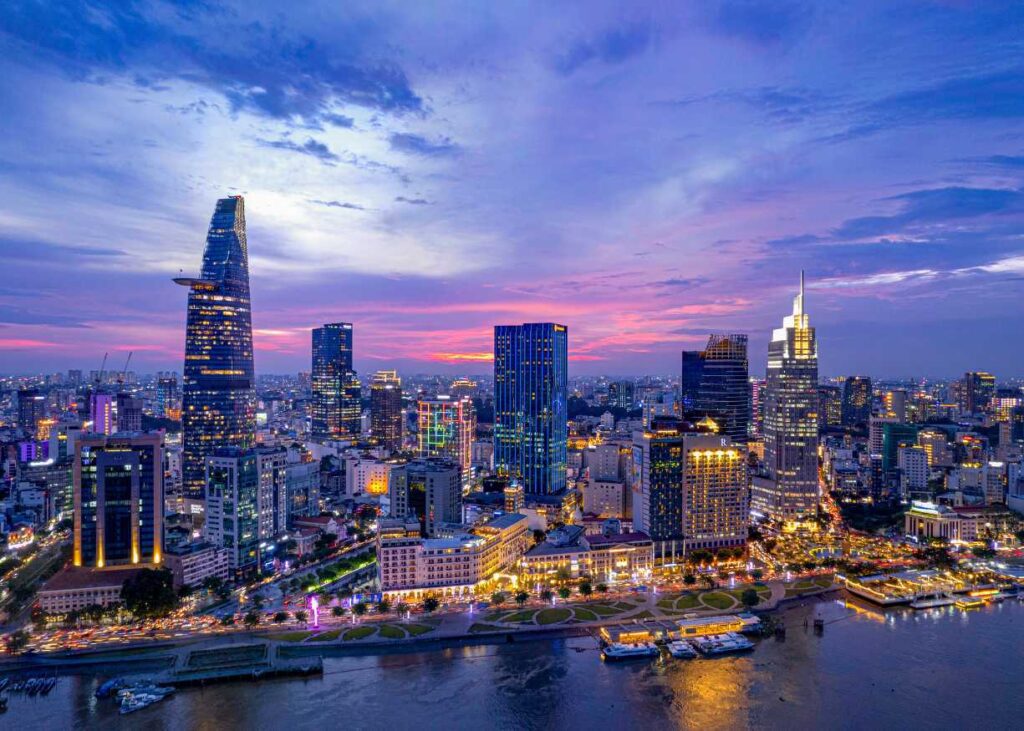
If Hanoi is about slow romance, Ho Chi Minh City (Saigon) is all energy. It’s loud, it’s bright, and it never seems to sleep. Standing in the middle of Nguyen Hue Walking Street at night, surrounded by music and laughter, you feel the city’s heartbeat.
Why visit: The contrasts sleek rooftop bars overlooking tangled alleys, French colonial churches standing beside glass skyscrapers, luxury malls just steps away from sizzling street food carts.
Must-Do Moments:
- Shop (and snack!) your way through Ben Thanh Market.
- Visit the War Remnants Museum for powerful history.
- End the day with a sunset view from a rooftop.
Eat This: Banh mi, fresh spring rolls, com tam (broken rice with grilled pork).
3. Hoi An – The Lantern-Lit Heritage Town
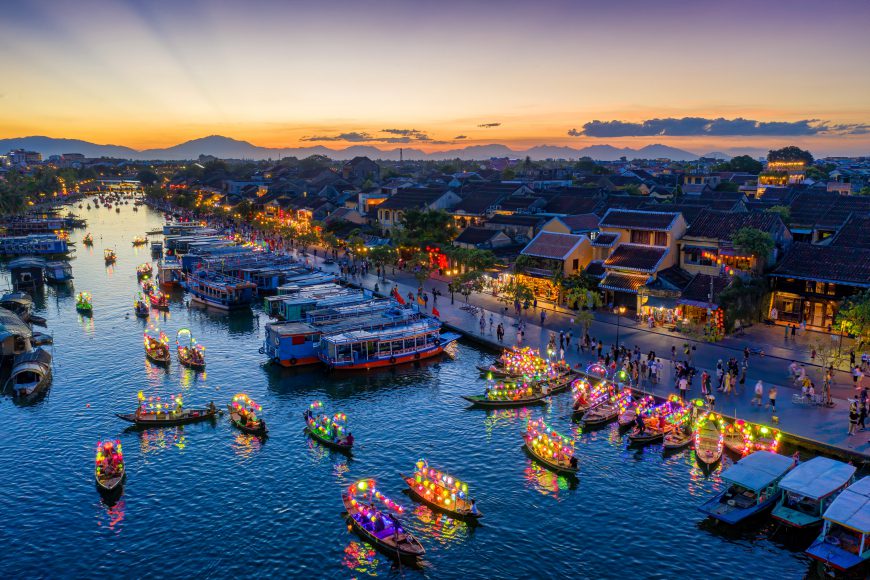
If there’s one city in Vietnam that feels like a fairy tale, it’s Hoi An. By day, it’s all mustard-yellow walls and bougainvillea spilling over balconies. By night, thousands of colorful lanterns glow along the river.
Why visit: The pace here is slower. You’ll find yourself wandering just for the joy of it stopping for tailor fittings, sitting by the river with a drink, or cycling through the rice paddies.
Must-Do Moments:
- Cross the Japanese Covered Bridge at sunset.
- Time your visit for the full moon Lantern Festival.
- Spend an afternoon at An Bang Beach.
Eat This: Cao lau noodles, white rose dumplings, banh bao vac.
4. Da Nang – The Coastal Gateway
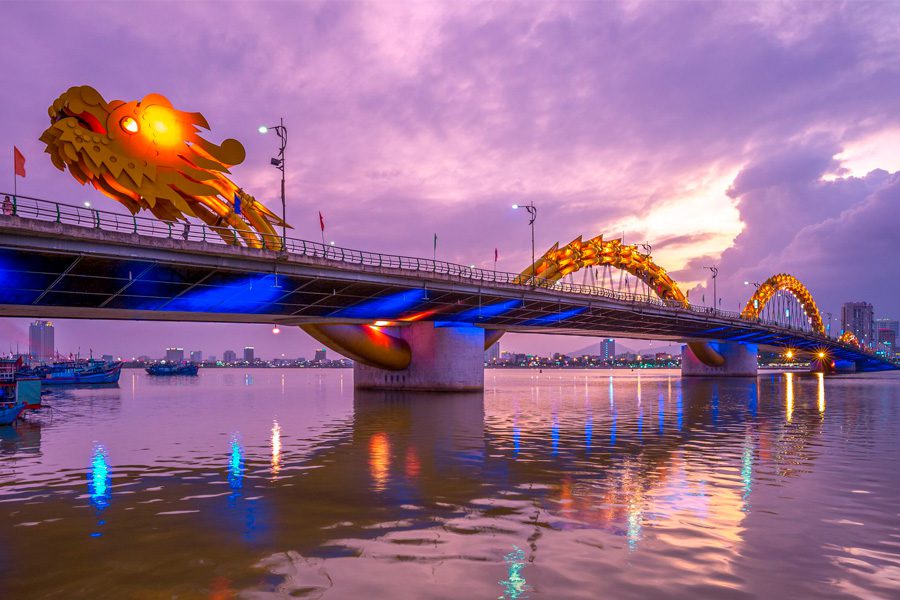
Da Nang feels like a breath of fresh air. Wide, clean beaches stretch for miles, and the mountains rise just beyond them. It’s a city where you can spend your morning swimming, your afternoon exploring caves, and your night watching a bridge breathe fire.
Why visit: The balance it’s lively without being overwhelming, and the nature is just as impressive as the city itself.
Must-Do Moments:
- Walk across the Golden Bridge held by giant stone hands.
- Climb the Marble Mountains for panoramic views.
- Watch the Dragon Bridge’s weekend fire and water show.
Eat This: Mi quang, banh xeo, and fresh seafood BBQ by the shore.
5. Hue – The Imperial Heart of Vietnam
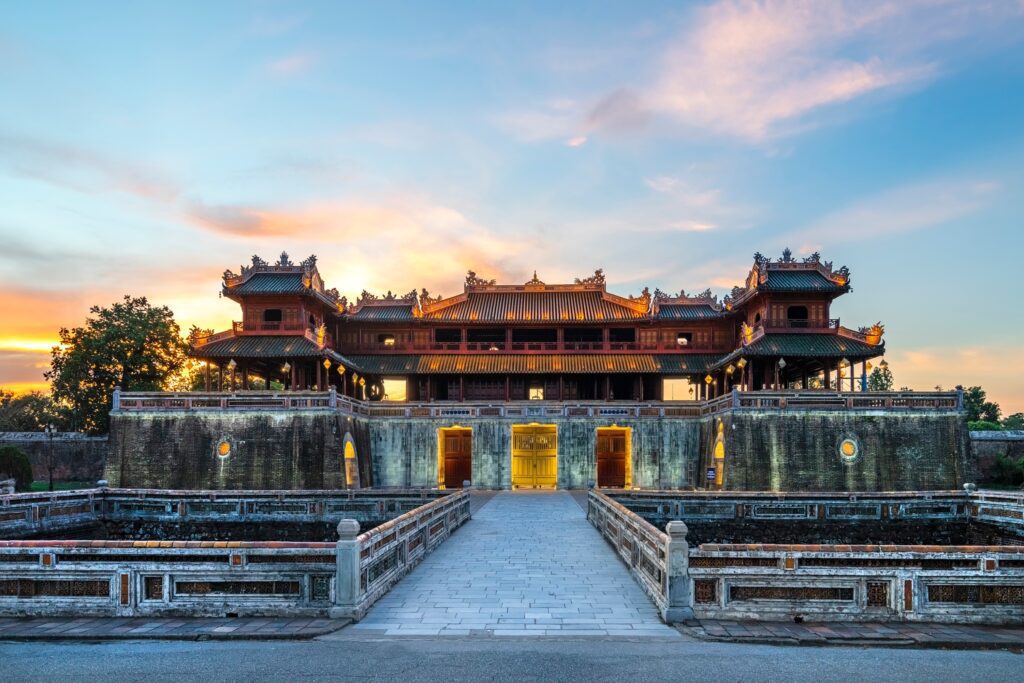
Hue whispers history. The Perfume River glides past royal palaces, ornate tombs, and pagodas that have stood for centuries. You can feel the echoes of Vietnam’s imperial past in every corner.
Why visit: It’s peaceful. Even in its busiest spots, Hue has a calm dignity that’s rare to find.
Must-Do Moments:
- Explore the Imperial Citadel.
- Take a boat cruise on the Perfume River at sunset.
- Visit the tomb of Emperor Khai Dinh a stunning blend of styles.
Eat This: Bun bo Hue, nem lui, banh khoai.
6. Nha Trang – The Beach Capital
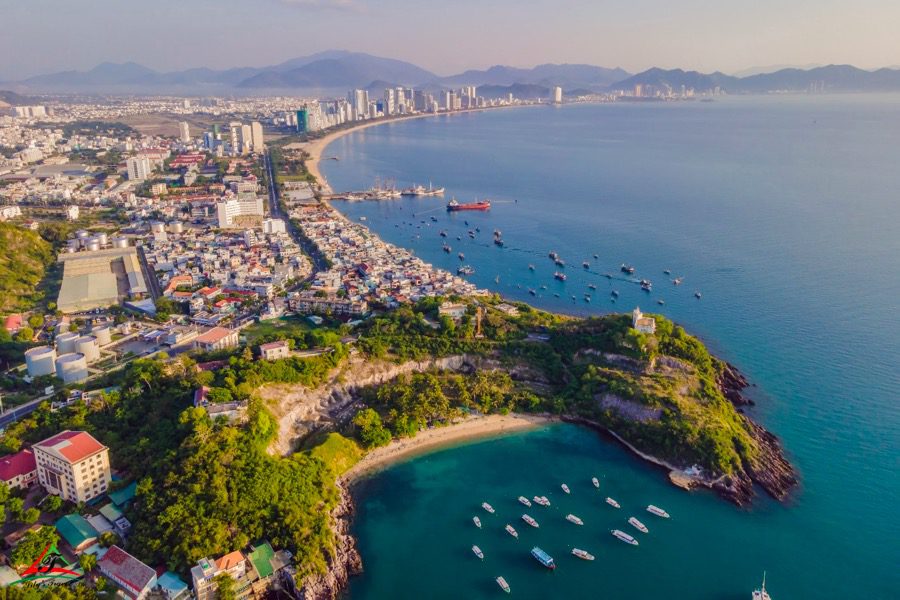
Nha Trang is all about sunshine and salt water. The beach is long, the waves are gentle, and the promenade comes alive at night with music, street performers, and food stalls.
Why visit: It’s got that classic seaside holiday vibe, with a Vietnamese twist.
Must-Do Moments:
- Spend the day on Long Beach.
- Take a boat to Hon Mun Island for snorkeling.
- Visit Po Nagar Cham Towers for a touch of history.
Eat This: Nem nuong, bun ca sua (jellyfish noodle soup), fresh lobster.
7. Sapa – The Mountain Escape,
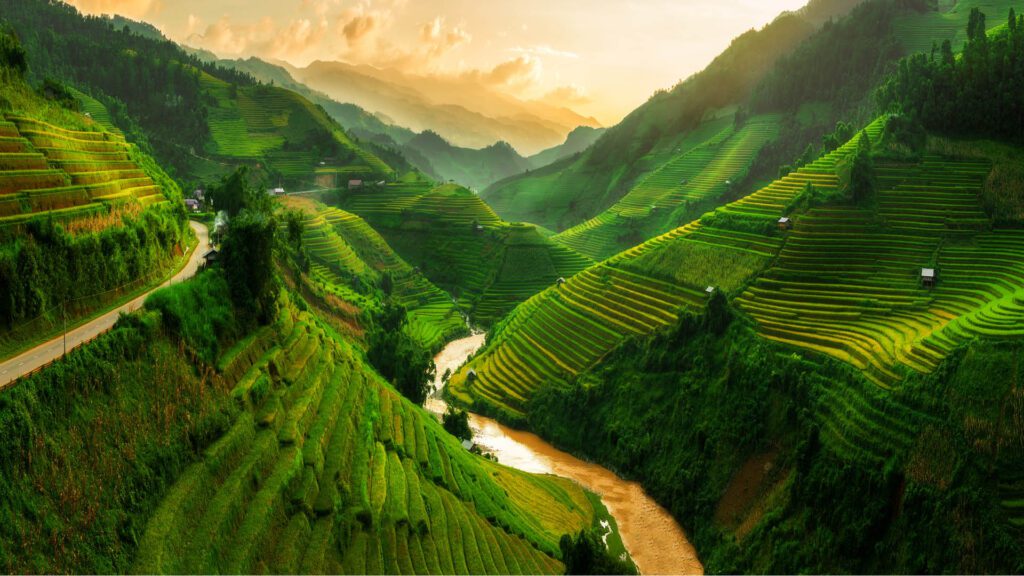
Sapa feels like another world cooler air, mist-covered valleys, and rice terraces cascading down the hillsides. It’s the kind of place where you wake up to mountain views and fall asleep to the sound of rain on your roof.
Why visit: The treks. Walking through local villages, you meet people from Vietnam’s hill tribes, see their daily life, and realize just how diverse this country really is.
Must-Do Moments:
- Ride the cable car to Fansipan Mountain.
- Trek through Muong Hoa Valley.
- Visit Cat Cat Village for traditional crafts.
Eat This: Salmon hotpot, grilled skewers, thang co (for the adventurous).
Final Thoughts
Each destination offers a different pace and setting. Start with your available nights, choose the experiences that matter most, and leave enough time to travel between them. Check flights and regional weather before confirming your route.
So pack your bags, bring your appetite, and let Vietnam surprise you.
FAQs for 7 Must Visit Cities in Vietnam
When is the best time to visit Vietnam?
Plan by region rather than using one season for the whole country. Vietnam’s official tourism guidance identifies March to May as a useful countrywide starting point, but northern highlands, central coast and southern cities have different weather patterns. Check the official regional weather guide against your route and review the forecast before travel.
How many days do I need to explore these 7 cities?
Allow two weeks or more if you want to include all seven cities with time to explore between transfers. For a shorter holiday, choose fewer bases and group nearby stops together. Compare actual journey times before committing to the route.
What’s the easiest way to travel between cities?
For longer distances, domestic flights are quick and affordable. For shorter hops, I love taking the overnight trains you save on hotel costs and wake up somewhere new. Buses are also an option, but I only recommend them for day trips or short rides.
Is it easy to find vegetarian food in Vietnam?
Yes! But you’ll need to learn a magic phrase: “Ăn chay” (pronounced “An chai”) it means vegetarian. Most cities have Indian restaurants in Vietnam too, which is a lifesaver when you’re craving home-style curry and naan.
If you avoid eggs, dairy, fish sauce or meat-based stock, explain each requirement clearly and confirm ingredients with the restaurant; a vegetarian label alone may not answer every dietary need.
Do I need cash, or can I use cards?
Cash is king, especially in markets, small cafes, and rural areas. Big hotels, malls, and some restaurants take cards, but I always keep small bills (VND) handy for street food and taxis.
How safe is Vietnam for solo travelers?
Plan the usual city-travel precautions: choose well-reviewed accommodation, use reputable transport, secure valuables in crowded areas and share your itinerary with someone you trust. Check current travel advice and local conditions before departure rather than treating any destination as risk-free.
Any must-try local experiences in 2026?
- Hoi An’s Lantern Festival (full moon nights)
- Riding the cable car to Fansipan Mountain in Sapa
- A street food tour in Hanoi or Ho Chi Minh City
- Snorkeling at Hon Mun Island in Nha Trang
- Watching the Dragon Bridge breathe fire in Da Nang