
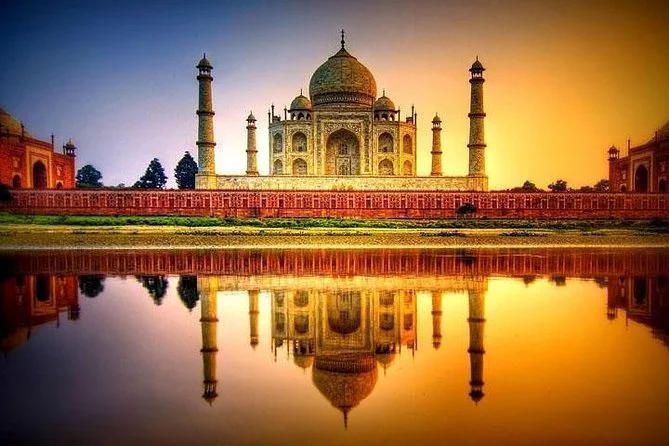
India doesn’t have just one “best time.”
It has many.
And that’s exactly why planning a trip here can feel confusing at first. You’ll read one guide saying winter is perfect, another recommending monsoon for Kerala, and someone else insisting summer is the only time to visit Ladakh.
All of them are right.
Because India isn’t one destination it’s an entire collection of climates, cultures, and experiences stitched together into one country.
So instead of giving you a generic answer, this guide will help you figure out something far more useful:
When to visit India based on the kind of trip you actually want.
So, What Is the Best Time to Visit India?
If you’re looking for the simplest answer, here it is:
October to March is the best time to visit India for most travelers.
The weather is pleasant, the skies are clear, and almost every major destination from Rajasthan to Kerala is accessible and enjoyable.
But here’s where it gets interesting.
Even within this “ideal” window, the experience changes depending on the month you choose.
November feels fresh and festive, with landscapes still green after the monsoon and celebrations like Diwali lighting up cities. February, on the other hand, is calmer and incredibly balanced great weather, manageable crowds, and a certain softness in the air that makes travel feel easy.
Two months worth memorising: November for the best weather-value balance of the entire year. February for the best light, the best crowds, and the best sense that you’ve found India at its most rewarding without fighting for space or paying peak prices.
If you want the best mix of comfort, beauty, and value, November and February quietly stand out as the smartest months to plan your India trip.
North India: Where Timing Can Make or Break Your Trip
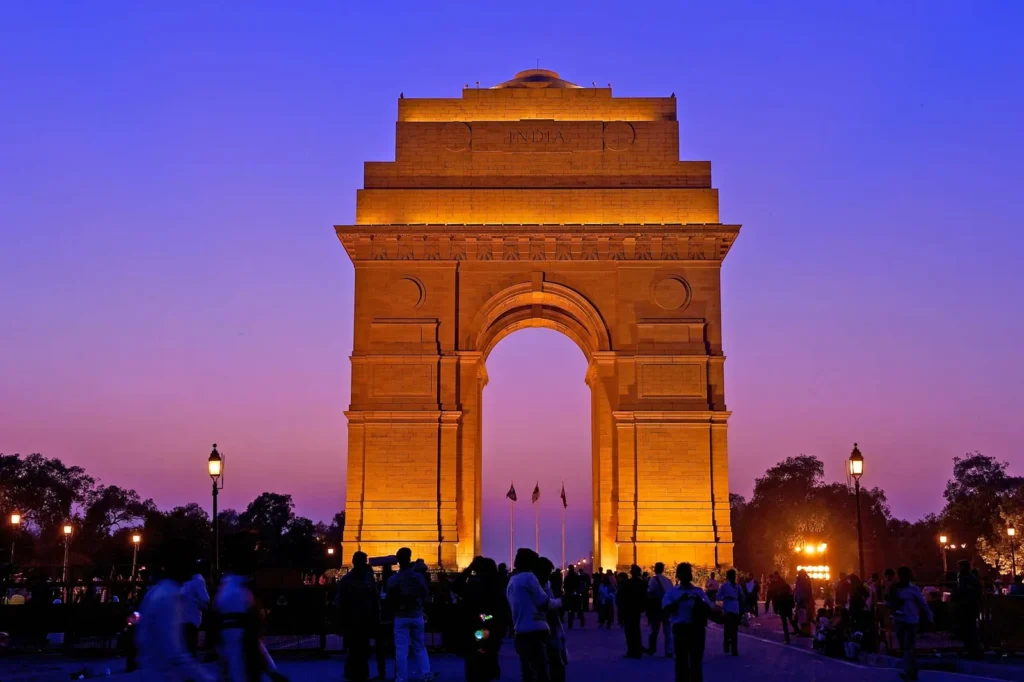
For most first-time travelers, North India is where the journey begins Delhi, Agra, Jaipur, maybe Varanasi.
This region follows a more extreme climate, which means your experience depends heavily on when you visit.
Between October and March, everything feels just right. Days are comfortable, mornings are cool, and sightseeing becomes something you enjoy rather than endure.
Picture this:
You arrive at the Taj Mahal just as the gates open. The early morning air is crisp, the marble glows softly in the sunrise, and for a brief moment, the crowds haven’t taken over yet. It feels calm, almost personal.
Now imagine the same visit in May.
The sun is harsh, temperatures push past 40°C, and even standing outside for a few minutes feels exhausting.
That’s the difference timing makes in North India it’s not subtle, it’s dramatic.
If you’re planning this region, aim for November, early December, or February. These months give you the best chance to experience North India the way it’s meant to be experienced.
South India: A Different Season, A Different Mood
One of the biggest misconceptions travelers have is assuming the whole country follows the same weather pattern.
It doesn’t.
South India runs on its own timeline, shaped by a different monsoon system. While North India is drying out in October, parts of Tamil Nadu are receiving rain. Meanwhile, Kerala begins to emerge from its lush, rain-soaked phase.
By November, everything starts to align beautifully.
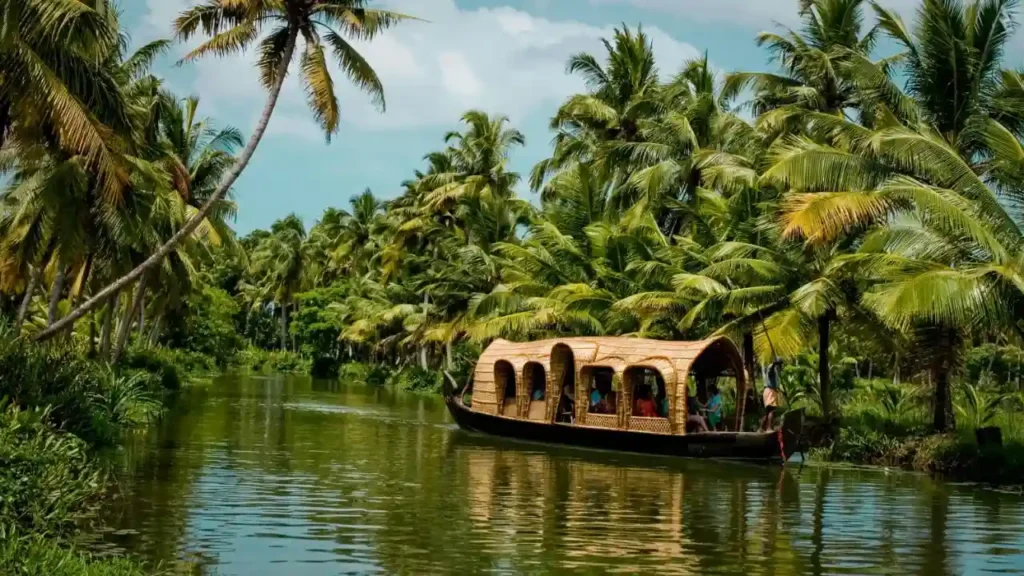
Kerala becomes calm, green, and incredibly scenic. The backwaters turn mirror-like in the evenings, reflecting palm trees and soft golden light. A houseboat ride here doesn’t feel like a tourist activity it feels like stepping into a slower, quieter world.
Goa, too, comes alive during this period. Beach shacks reopen, the weather becomes pleasant, and the coastline regains its energy. December brings crowds and parties, but November offers a more relaxed version of Goa that many travelers end up loving even more.
If South India is on your list, November to February is your sweet spot.
The Himalayas: A Season That Plays by Its Own Rules
If your dream trip includes Ladakh, Spiti Valley, or high mountain roads, then everything you’ve read so far changes.
In the Himalayas, travel isn’t about comfort it’s about accessibility.
For most of the year, these regions are cut off by snow. Roads are buried, passes are closed, and entire routes simply don’t exist for travelers.
Then summer arrives, and everything opens up.
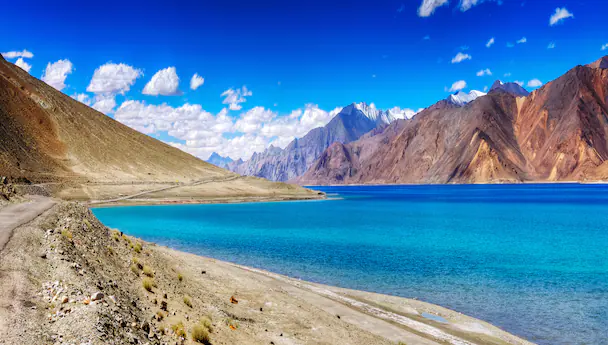
From June to September, the mountains reveal a completely different world. Roads become drivable, lakes like Pangong turn a surreal shade of blue, and the skies are so clear they almost don’t feel real.
What makes it even more fascinating is the contrast while much of India is experiencing monsoon rains, Ladakh remains dry, sitting quietly in the rain shadow of the Himalayas.
So if you’re planning a Himalayan road trip, remember this:
June to September isn’t just the best time it’s the only realistic time.
Wildlife in India: When to Plan a Safari
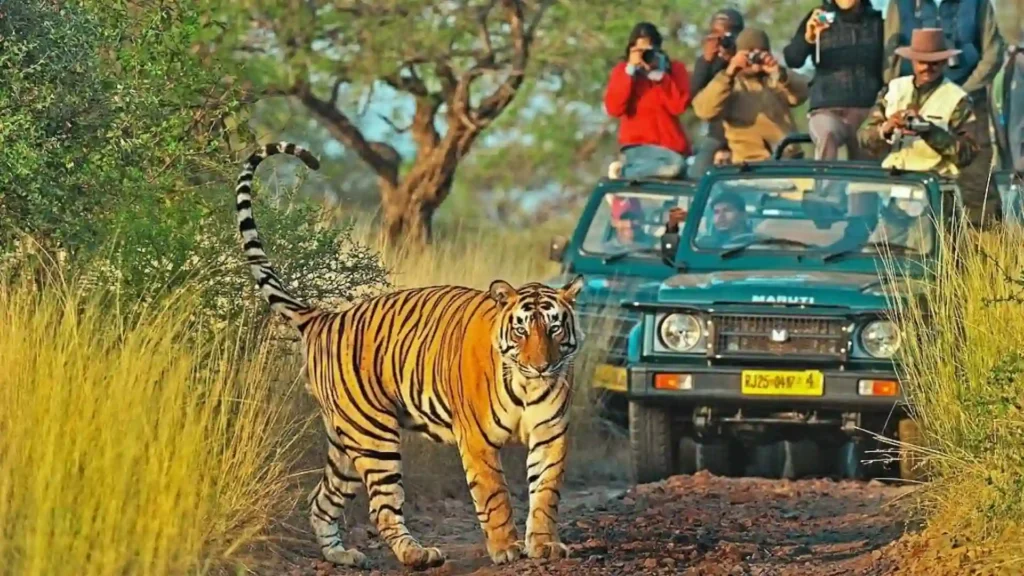
If seeing a tiger in the wild is on your bucket list, timing becomes even more specific.
India’s national parks operate on a seasonal cycle. Most of them close during the monsoon and reopen in October. But within the open season, there’s a clear window when your chances of sightings increase dramatically.
That window is April and May.
These are the hottest months of the year, but that’s exactly what works in your favor. As water sources dry up, animals especially tigers gather around lakes and watering holes, making them easier to spot.
Yes, it’s hot. Early mornings become essential, and afternoons are best spent resting.
But if your goal is to actually see wildlife not just hope for it this is the time that gives you the best odds.
Monsoon Season in India: Misunderstood, but Magical
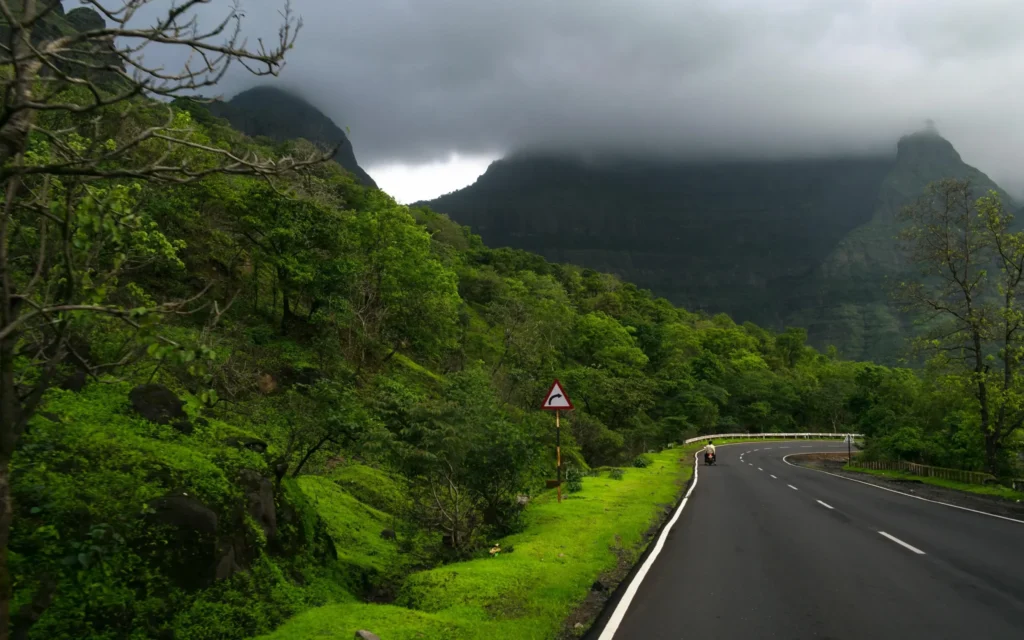
Monsoon in India, which usually runs from June to September, has a reputation for being inconvenient.
And in some places, that’s true. Cities like Delhi or Agra can feel humid and chaotic during heavy rains, and travel plans may need flexibility.
But there’s another side to the monsoon that often gets overlooked.
This is when parts of India become unbelievably beautiful.
Kerala turns into a deep green paradise, with waterfalls flowing at full force and forests coming alive. Meghalaya becomes dramatic and almost surreal, with mist-covered hills and living root bridges surrounded by lush vegetation.
And then there’s Ladakh completely untouched by the rains, offering clear skies while the rest of the country transforms.
So instead of avoiding the monsoon entirely, the better approach is to ask:
Where does the monsoon make India better, not harder?
A Month-by-Month Way to Think About It
Instead of memorizing a table, think of India’s travel calendar like this:
- January–February: Comfortable, reliable, perfect for most regions
- March: Transition month, still good but warming up
- April–May: Hot in plains, great for mountains and wildlife
- June–August: Monsoon across most regions, but ideal for Ladakh and certain nature experiences
- September: Quiet, green, and underrated
- October–November: The golden season begins
- December: Peak travel time with the best weather (and highest prices)
| Month | Weather | Best Region | What’s Happening |
| January | Cool & dry across the north (8–24°C). South India warm (28°C). | Rajasthan, Kerala, Tamil Nadu | Peak tourist season. Jaipur Lit Fest. Pongal in Tamil Nadu. |
| February | Warming, still pleasant. Ideal almost everywhere. | All regions | Holi preparations begin. Rose gardens bloom in Rajasthan. |
| March | Warming fast in plains. Mountains begin to open. | Goa (last month), Northeast India, Himalayas lower valleys | Holi festival. Rhododendron bloom in Uttarakhand and Sikkim. |
| April | Hot in the plains (35–40°C). Hill stations perfect. | Himachal Pradesh, Uttarakhand, Ladakh (opening) | Char Dham opens. Baisakhi in Punjab. |
| May | Very hot plains (40–45°C). Ladakh and Spiti open. | Ladakh, Spiti Valley, hill stations | Best tiger sightings at waterholes. Kedarnath temple opens. |
| June | Monsoon arrives in Kerala. Ladakh is dry and spectacular. | Ladakh, Spiti Valley | Monsoon sweeps northward. Ladakh fully open. |
| July | Heavy rain across most of India. Northeast extreme. | Valley of Flowers (UNESCO peak), Ladakh, Meghalaya | Valley of Flowers blooms. Rath Yatra in Puri. |
| August | Continued monsoon. Green and lush everywhere. | Valley of Flowers (last weeks), Ladakh | Independence Day. Janmashtami. |
| September | Monsoon retreating from north. South still wet. | Rajasthan, Himachal (post-monsoon), Delhi | Ganesh Chaturthi. Navratri approaching. |
| October | Excellent all across India. Ideal conditions. | Everywhere – the golden season begins | Dussehra. Diwali (sometimes). Wildlife parks reopen. |
| November | Perfect across all of India. | All regions | Pushkar Camel Fair. Diwali (sometimes). Rann Utsav begins. |
| December | Slightly cooler. North India brisk; South India perfect. | All regions – peak season | Hornbill Festival (Dec 1–10). Christmas in Goa. |
When Is the Cheapest Time to Visit India?
If budget is a big factor, timing your trip can make a huge difference.
The cheapest time to visit India is typically April to June.
Hotels drop their prices significantly, flights become more affordable, and popular destinations are far less crowded. The trade-off, of course, is the heat especially in North India.
But there’s also a lesser-known window that offers incredible value:
September to early October
During this time, the monsoon is just ending, the landscapes are fresh and green, and prices haven’t yet risen for peak season. You get a quieter, more relaxed version of India often at nearly half the cost of December travel.
Festivals That Can Shape Your Entire Trip
In India, festivals aren’t just events they’re experiences that can define your journey.
Diwali fills cities with lights and energy. Holi brings color and celebration to the streets. In Rajasthan, the Pushkar Camel Fair creates a surreal desert gathering, while in Nagaland, the Hornbill Festival showcases tribal culture in a way you won’t find anywhere else.
If your travel dates are flexible, planning your trip around one of these festivals can completely transform how you experience the country.
Frequently Asked Questions About the Best Time to Visit India
What is the best time to visit India?
The best time to visit India is generally October to March, when the weather is pleasant across most regions. During these months, you can comfortably explore North India, relax in Kerala, and enjoy festivals happening across the country.
If you want the absolute best experience, November and February are often considered the ideal months because they offer great weather, manageable crowds, and better prices than peak season.
Which month is best for an India trip?
If you’re looking for one perfect month, February is the best all-round choice. The weather is comfortable almost everywhere, from Rajasthan to Kerala, and tourist crowds are lower compared to December and January.
November is another excellent option, especially if you want to experience festivals like Diwali and enjoy fresh, post-monsoon landscapes.
When is the cheapest time to visit India?
The cheapest time to visit India is between April and June, when hotel prices and flights are significantly lower due to the summer heat.
However, if you want a better balance between cost and comfort, consider September to early October. Prices are still low, but the weather starts improving after the monsoon, and the landscapes are at their greenest.
Can I visit India during the monsoon season?
Yes, you can visit India during the monsoon (June to September), but it depends on where you go.
Some destinations actually become more beautiful during this time. Kerala is lush and peaceful, Meghalaya is incredibly scenic, and Ladakh remains dry and perfect for travel.
However, cities like Delhi, Agra, and parts of Rajasthan can feel humid and less comfortable due to heavy rains.
Is India good to visit in December?
Yes, December is one of the most popular times to visit India. The weather is cool and pleasant, especially in North India, making it ideal for sightseeing.
Kerala and Goa are also at their best during this time. The only downside is that it’s peak tourist season, so expect higher prices and larger crowds.
What is the best time to visit North India?
The best time to visit North India is from October to March. During this period, the weather is comfortable for exploring cities like Delhi, Agra, Jaipur, and Varanasi.
Avoid April to June if possible, as temperatures can become extremely high, making daytime sightseeing difficult.
What is the best time to visit South India?
The best time to visit South India is from November to February. The weather is warm but pleasant, making it perfect for exploring Kerala’s backwaters, Tamil Nadu’s temples, and Goa’s beaches.
Monsoon season (June to September) can also be a good time for Ayurveda retreats in Kerala.
When is the best time to visit Ladakh and the Himalayas?
The best time to visit Ladakh and most high-altitude Himalayan regions is from June to September. This is when the roads are open, the weather is clear, and travel is possible.
Outside of this window, many routes are closed due to heavy snowfall.
Which month has the fewest tourists in India?
The months with the fewest tourists in India are July and August, during the monsoon season.
While some destinations may be harder to explore due to rain, this is a great time for budget travelers and those looking for quieter experiences in places like Ladakh or Kerala.
Is India safe to travel during the monsoon?
Yes, India is generally safe during the monsoon, but travel plans may need flexibility. Some areas experience heavy rainfall, which can cause delays or temporary disruptions.
If you choose your destinations wisely such as Ladakh or parts of South India you can still have a smooth and enjoyable trip.
Final Thoughts: The Real Secret to Planning Your India Trip
By now, one thing should be clear:
There is no single “best month to visit India.”
What matters is alignment.
- The right destination
- The right season
- The kind of experience you’re looking for
If you want comfort and iconic sights, winter is perfect. If you want fewer crowds and better prices, shoulder seasons work beautifully. And if you’re open to something different, even the monsoon or summer can surprise you.
India isn’t a place that fits into one perfect season.
It’s a place that rewards curiosity and the more thoughtfully you plan, the more unforgettable your experience becomes.