
Start a first Europe holiday with the number of nights you have, then choose two or three connected bases. Compare arrival and departure airports, complete transport costs and the pace your group can comfortably manage. Country count should follow the route, not drive it.
Your first Europe trip does not have to include every famous city to feel special. A morning beside a Paris landmark, an afternoon on a Swiss lake or an evening along an Amsterdam canal is easier to enjoy when you are not constantly checking out and catching the next train. This guide helps Indian travellers choose a multi-country route that makes sense before booking flights and hotels.
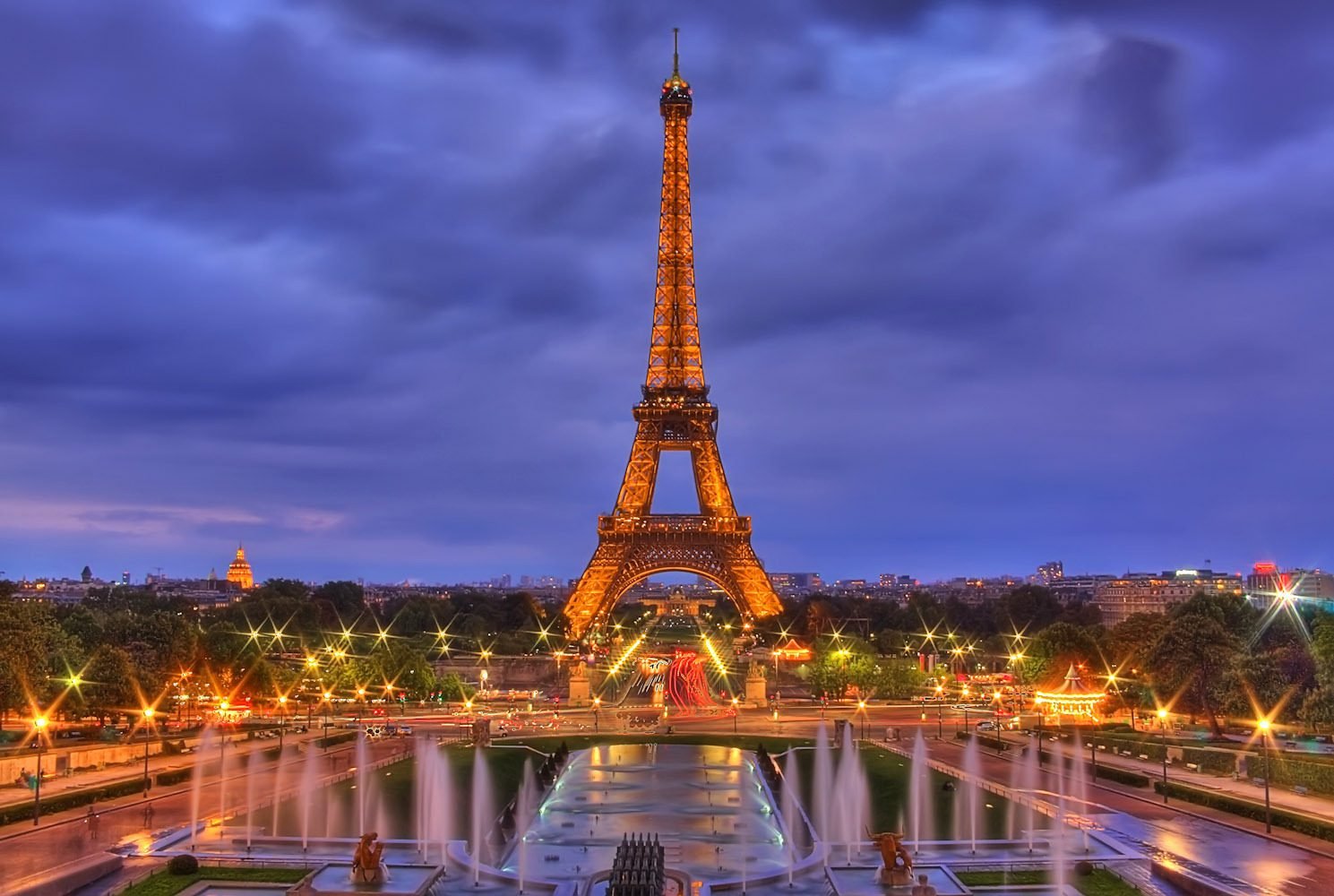
Which route should you choose for a first Europe trip?
| Route idea | Who it suits | Main planning question |
|---|---|---|
| France and Switzerland | City sights plus lakes and mountain scenery | Which Swiss base and excursions matter most? |
| France, Belgium and Netherlands | City-focused first visit | How many hotel changes are worthwhile? |
| Italy and Switzerland | Culture with alpine scenery | Can the rail journey fit without rushing? |
| One country in depth | Shorter trips and slower travellers | Would fewer transfers improve the holiday? |
Build the trip in nights first
Write a line for every night, including overnight flights. Then mark the days that involve changing cities. A rail journey may look short on a map, but packing, checkout, getting to the station and reaching the next hotel all use time. If nearly every second day is a transfer day, reduce the number of bases before adding attractions.
Compare two travel styles honestly
Group holiday
A group route can reduce the work of organising transport and sightseeing. Compare the daily pace, hotel locations, meal arrangements and what is optional. Ask how much free time there is and what support is provided. A longer inclusions list is not always a better fit for your family.
Independent holiday
Independent travel gives you more control over timing and where you stay, but you organise connections and changes yourself. Price the journeys you actually intend to make. A rail pass may still need seat reservations or supplements; it is not a reason to add unnecessary travel days.
Flights and accommodation should work together
Compare flying into one city and out of another with a conventional return ticket. Avoiding a long return journey can save a night or a whole day, even when the airfare is not the lowest. Before choosing a hotel, check the real connection to the sights and stations you need. A cheap room can be costly in both commuting time and transport.
Do not leave food and comfort until the end
Families should agree on walking pace, room arrangements and meal needs before finalising the route. If Indian or Jain meals are important, confirm the actual arrangement rather than assuming it is included. For older relatives, lift access and manageable transfers can matter more than another attraction.
Budget transport and attractions separately
Rail passes do not automatically cover every reservation or supplement. For each travel day, compare point-to-point tickets with passes and include local transport to the station. For sightseeing, choose a few priority attractions and check whether a city pass genuinely saves money for those exact visits. Leave time for neighbourhood walks and unplanned breaks.
Build your document timeline
Read the relevant consulate’s current instructions before committing to non-refundable bookings. Organise an itinerary, accommodation evidence, insurance and financial documents consistently. Avoid interpreting a checklist as a visa guarantee. Ask for clarification from the official application channel where an individual requirement is unclear.
Choose three experiences before choosing three countries
Begin with the experiences that make Europe appealing to you. That might be a major art museum, mountain scenery, historic streets, a scenic rail journey or a family attraction. Write down the top three for the group and check where they fit naturally together. This creates a stronger route than choosing countries only because they are popular.
You may discover that two neighbouring regions provide everything you want. You may also find that one desired experience requires a substantial detour. Decide consciously whether it is worth the travel day and cost. A first holiday should leave you wanting to return, not wishing you had spent less time in transit. Keep some experiences for another trip instead of treating the first visit as your only chance to see the continent.
How to organise a shorter city-and-scenery route
For a shorter holiday combining Paris with Switzerland, divide the available nights between city sightseeing and a Swiss base. Put the main intercity journey on its own travel day and avoid booking a major attraction immediately after it. Choose the Swiss base according to the excursions you actually want, not simply the name most often mentioned in advertisements.
Before confirming, compare arrival and departure airports with the rail connections between them. A flight option that looks attractive in isolation may require backtracking through the route. Check whether the first day is a full day or mainly arrival time. If the plan feels crowded before you add meals and check-in, remove an excursion or a base. The goal is a comfortable contrast between experiences, rather than a technically possible but tiring sequence.
When a city-focused route is a better fit
France, Belgium and the Netherlands can appeal to travellers who prefer architecture, museums, neighbourhoods and café time over mountain excursions. Start by deciding how many hotel bases are necessary. Some visits might work as excursions, while others deserve their own overnight stay. Compare transport convenience and the experience of spending the evening there.
Do not assume that every city requires the same number of nights. A major museum visit can occupy much of a day, and families may need more breaks between attractions. Keep one part of the programme flexible so you can spend longer somewhere you enjoy. This style of route can be rewarding without a packed paid-attraction schedule, but location and transport still matter. Choose hotels that make your particular sightseeing plan practical.
Understand the difference between a rail fare and the journey cost
For each intercity sector, note the station, travel date, departure time and ticket conditions. Then include transport from the hotel to the station and from the arrival station to the next hotel. A cheaper fare is less useful if it requires an awkward early departure or creates a long wait before check-in.
If you are considering a pass, compare it against the actual journeys. Check reservations, supplements and the services covered rather than assuming every train is included automatically. Travelling with large bags or children may make fewer changes more comfortable even when another option is cheaper. Keep a clear connection buffer where the journey involves different bookings. The transport decision should make the itinerary easier to enjoy, not encourage additional trips simply to justify the pass.
Build a complete European accommodation comparison
Compare the total stay rather than the displayed nightly rate. Look at room occupancy, breakfast, local charges, cancellation terms and any practical expenses created by the location. Families should confirm whether the room actually provides the beds they need. Two rooms, a family room and an apartment can produce very different costs and daily routines.
Check the route from the hotel to the places you intend to visit. Near the city is not the same as near a useful transport connection. Consider arrival with luggage and the return journey after dinner as well as the daytime commute. A lower accommodation cost can be worthwhile, but only when the extra travel still fits your holiday. Ask for the precise property and room category before evaluating a package quotation.
Make sightseeing reservations serve your priorities
Choose the attractions you would genuinely regret missing, then check their current official booking arrangements. Reserve those once the travel framework is stable. Avoid purchasing a bundle only because it includes many places you had not planned to visit. A pass saves money only when the covered experiences match your realistic programme.
Leave time between reservations for travel, queues and meals. Families may prefer one major admission per day, while independent adults may comfortably do more. Do not fill every free hour: a neighbourhood walk, a market visit or an unhurried afternoon can become a highlight of the trip. Check accessibility and physical requirements where relevant. A well-planned day has a clear focus and enough flexibility to cope with ordinary delays without losing the next reservation.
Organise documents and bookings in a consistent order
Read the current official requirements for your passport and itinerary before committing to arrangements. Where more than one entry regime applies, treat each separately. Do not assume a permission for one part of Europe automatically covers another. Use the relevant authority or authorised application channel for questions about individual circumstances.
Keep names, dates and the route consistent across confirmations and supporting documents. Save important information offline and leave a separate backup with someone you trust. Understand which bookings can be changed and what deadlines apply. An itinerary document should be easy to follow, showing each overnight base and the journeys between them. Good organisation does not guarantee an application outcome, but it helps you identify gaps before they become costly last-minute problems.
Choose where planning support will make a difference
Some travellers enjoy arranging every train and hotel; others want a clearer package with support for the main logistics. Compare these choices honestly. A group programme may simplify transport and meals but follow a fixed pace. A customised route can provide more control but should still specify exactly which services are arranged.
Ask who to contact if a transfer changes, a hotel issue arises or an activity cannot operate. Clarify what the tour manager, local operator or travel advisor actually provides. Review inclusions and exclusions in writing, including meals important to your family. Once the responsibilities are clear, you can focus on the enjoyable decisions: which experiences deserve more time, where you want a slower day and what would make this first Europe holiday feel personal to you.
Frequently asked questions
How many countries should I visit on my first Europe holiday?
For a shorter trip, one or two countries can be enough. Choose the number of bases and transfer days first; a compact route is usually easier to enjoy.
Should I buy a rail pass before finalising the route?
No. Compare the cost and coverage against your actual journeys, including reservations and supplements, before choosing a pass.
Can I combine the UK with a Schengen trip?
It is possible, but the travel and entry requirements are separate planning items. Check official requirements for your nationality and route instead of assuming one permission covers both.
Plan your holiday with WishToGo
Compare Europe tour packages from India or Europe departures from Mumbai. Tell WishToGo how many nights you have and which two or three experiences matter most.